
Imakita Kosen
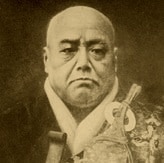
Imakita Kosen was a prominent Japanese Rinzai Zen roshi and Neo-Confucianist who played a significant role in introducing Zen Buddhism to lay practitioners and the West. As a government loyalist and supporter of Emperor Meiji, he held a position in the Ministry of Doctrine. His influence extended through his disciples, most notably Soyen Shaku, who participated in the World Parliament of Religions, leading to further engagement with Western thinkers.
Key Facts
- ›Born August 3, 1816, and died January 16, 1892.
- ›Trained in Zen Buddhism under Daisetsu Shoen at Sōkoku-ji and received inka from Gisan Zenkai at Sōgen-ji.
- ›Served as head abbot of Engaku-ji in Kamakura.
- ›Known for his loyalty to the government and support of Emperor Meiji.
- ›Instrumental in bringing Zen to lay practitioners and to the West.
- ›His Dharma heir, Soyen Shaku, was pivotal in introducing Zen to Western audiences.
Important Relationships
- Daisetsu Shoen
- Gisan Zenkai
- Soyen Shaku
- Emperor Meiji
SōKoku-Ji, SōGen-Ji, Engaku-Ji, Kamakura
About Imakita Kosen
Imakita Kosen (1816–1892) was a significant figure in Japanese Rinzai Zen Buddhism during the Meiji era. He was also recognized as a Neo-Confucianist scholar. Kosen's training in Zen occurred under Daisetsu Shoen at Sōkoku-ji, and he received formal transmission of Dharma (inka) from Gisan Zenkai at Sōgen-ji in Okayama.
Role in Zen Buddhism
Kosen played a crucial role in expanding the reach of Zen beyond traditional monastic circles. He is credited with instrumental efforts in bringing Zen teachings to lay practitioners and initiating its introduction to the West. His influence was further propagated through his disciples. Notably, his Dharma heir, Soyen Shaku, participated in the 1893 World Parliament of Religions in Chicago. This event led to Soyen Shaku's student, D. T. Suzuki, being introduced to Paul Carus and Western Theosophy, significantly furthering the dissemination of Zen philosophy globally.
Political and Governmental Affiliation
During his lifetime, Imakita Kosen was known for his loyalty to the Japanese government and his support for Emperor Meiji. In the 1870s, he served as the Doctrinal Instructor for the Ministry of Doctrine, a position that placed him in a role of influence within state-sanctioned religious affairs. He also served as the head abbot of Engaku-ji, an important Zen temple located in Kamakura.
Legacy and Successors
Imakita Kosen's spiritual lineage continued through his successors. Among them, Tetsuo Sōkatsu established Ningen Zen Kyodan, an independent school of lay Rinzai Zen, further diversifying the practice and accessibility of the tradition. The work of his disciples ensured that Kosen's contributions to Zen Buddhism, both in Japan and internationally, had a lasting impact.
Source: Wikipedia ↗
Frequently Asked Questions
What was Imakita Kosen's role in Rinzai Zen Buddhism?
Imakita Kosen was a respected Rinzai Zen roshi and Neo-Confucianist. He trained under prominent Zen masters and received formal recognition (inka) for his spiritual attainment. He also served as the head abbot of Engaku-ji, a significant Zen temple.
How did Imakita Kosen contribute to the spread of Zen Buddhism?
Kosen was instrumental in making Zen accessible to lay practitioners, moving beyond monastic confines. Furthermore, his efforts and those of his disciples, such as Soyen Shaku, were crucial in introducing Zen Buddhism to Western audiences.
What was Imakita Kosen's relationship with the Japanese government?
Imakita Kosen was known as a government loyalist and a supporter of Emperor Meiji. In the 1870s, he served as the Doctrinal Instructor for the Ministry of Doctrine, indicating a close connection with the state.
Who were Imakita Kosen's notable successors?
Imakita Kosen's lineage continued through his Dharma heirs. Notable successors included Soyen Shaku, who gained international recognition, and Tetsuo Sōkatsu, who founded an independent lay Zen school called Ningen Zen Kyodan.
Related Buddhists
Bankei Yōtaku
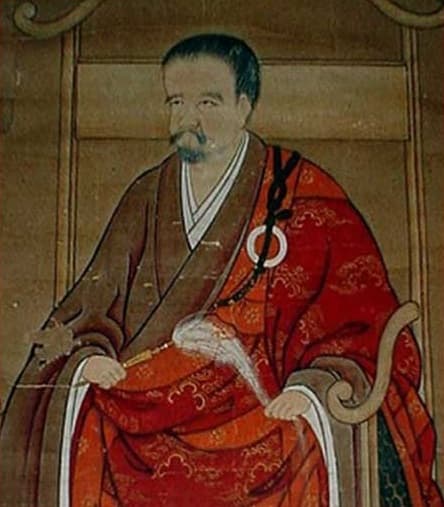
Bankei Yōtaku (1622-1693) was a prominent Japanese Rinzai Zen master and abbot of Ryōmon-ji and Nyohō-ji. He is renowned for his minimalist approach to Zen, emphasizing the "unborn Buddha mind" and the concept of "fushō" (unborn). Bankei gained significant popularity through public talks delivered in colloquial Japanese, making his teachings accessible to laypeople.
Hakuin Ekaku
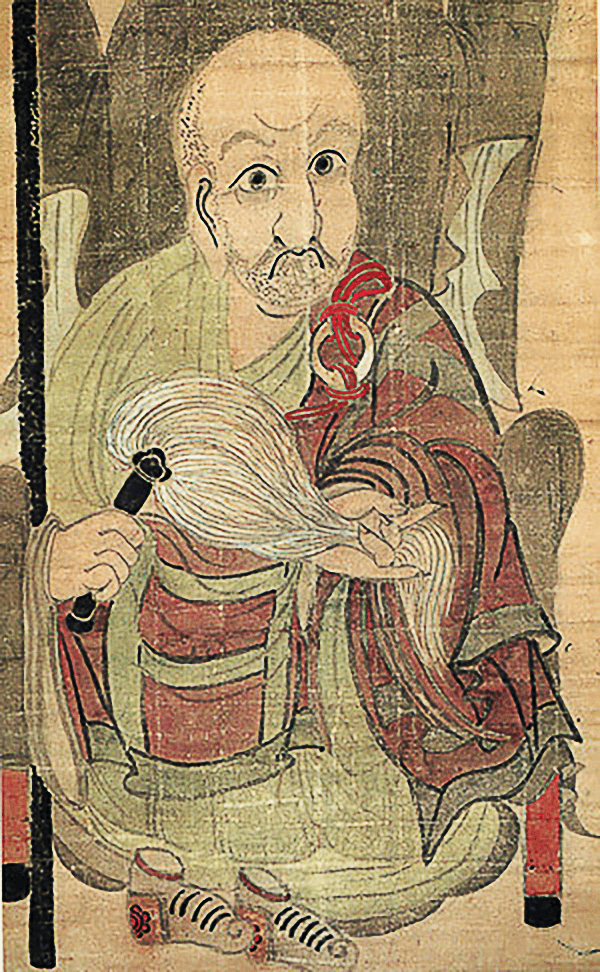
Hakuin Ekaku was a pivotal figure in Japanese Zen Buddhism, revitalizing the Rinzai school through rigorous training that integrated meditation and koan practice. He emphasized the importance of bodhicitta, or working for the benefit of others, as the ultimate goal of Zen training, even though he never formally received dharma transmission. Hakuin's teachings and methods significantly shaped modern Zen practice.
Harada Daiun Sogaku
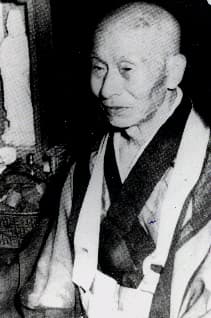
Harada Daiun Sogaku was a Sōtō Zen monk renowned for integrating Rinzai koan study with Sōtō practice, departing from traditional sectarian boundaries. His teaching methods, particularly through his disciple Hakuun Yasutani, significantly influenced the spread of Zen in the West via the Harada–Yasutani lineage. Despite his innovative approach, he remained within the Sōtō sect throughout his life.