
Harada Daiun Sogaku
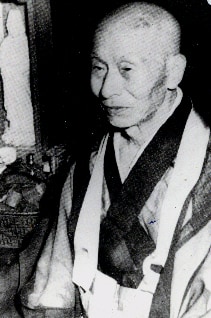
Harada Daiun Sogaku was a Sōtō Zen monk renowned for integrating Rinzai koan study with Sōtō practice, departing from traditional sectarian boundaries. His teaching methods, particularly through his disciple Hakuun Yasutani, significantly influenced the spread of Zen in the West via the Harada–Yasutani lineage. Despite his innovative approach, he remained within the Sōtō sect throughout his life.
Key Facts
- ›Born in an area now known as Obama, Fukui Prefecture, Japan.
- ›Trained under both Sōtō and Rinzai Zen masters.
- ›Experienced kensho after two and a half years of training at a Rinzai monastery.
- ›Served as abbot at several Sōtō temples, including Hosshin-ji, where he conducted sesshin until nearly age 90.
- ›Integrated Rinzai koan practice into his Sōtō teachings.
- ›His disciple Hakuun Yasutani founded the Sanbo Kyodan, a major Zen tradition in the West.
Important Relationships
- Hakuun Yasutani Rōshi
- Dokutan Rōshi
Hosshin-Ji, Obama, Fukui Prefecture
Gento Sokuchu
Monastic Vows
About Harada Daiun Sogaku
Harada Daiun Sogaku (1871–1961)
Harada Daiun Sogaku was a significant figure in 20th-century Sōtō Zen Buddhism, recognized for his innovative approach to practice and his influence on the transmission of Zen to the West. Born in what is now Obama, Fukui Prefecture, Japan, he entered monastic life at a young age. His spiritual training was notable for encompassing both Sōtō and Rinzai traditions, a departure from strict sectarian adherence.
Life and Practice
Harada entered a Sōtō temple as a novice at age seven and continued his education within monastic settings. At twenty, seeking to address existential questions, he joined Shogen-ji, a prominent Rinzai monastery, where he is reported to have experienced kensho (insight) after two and a half years. He later graduated from Komazawa University, the Sōtō university. Throughout his career, Harada studied under various Sōtō and Rinzai priests, completing koan study with Rinzai masters. From 1911 to 1923, he held a professorship at Soto-shu Daigakurin.
Known as a strict disciplinarian, Harada served as abbot at several Sōtō temples across Japan, including Hosshin-ji, Bukkoku-ji, and Sōji-ji. He was dedicated to intensive practice, conducting week-long sesshin (meditation retreats) six times a year at Hosshin-ji until he was nearly ninety years old. His commitment extended to holding sesshin at other locations as well.
Teaching and Legacy
Harada's teaching method was characterized by its integration of Rinzai koan practice, a method that had been largely excluded from the Sōtō school since the 19th century. He also diverged from contemporary Sōtō conventions by training lay individuals alongside monks, rather than segregating them.
His most enduring legacy is perhaps through his dharma heirs, particularly Hakuun Yasutani Rōshi. Yasutani, also a Sōtō monk trained by Harada in koan study, went on to found the Sanbo Kyodan (now Sanbo-Zen International). This organization became a major conduit for the spread of combined Sōtō and Rinzai Zen methods in the West. Harada himself, however, remained a devoted member of the Sōtō sect. While it is often claimed in Western accounts that he received formal Rinzai dharma transmission, historical records suggest he did not wish to leave the Sōtō tradition.
Criticism
Harada Daiun Sogaku faced criticism for his expressed support of Japanese wartime endeavors. A notable quote attributed to him suggests a unification of Zen and war, stating that actions like marching or shooting could be a manifestation of the highest wisdom and that this unity could extend to a "holy war."
Source: Wikipedia ↗
Frequently Asked Questions
Who was Harada Daiun Sogaku?
Harada Daiun Sogaku was a prominent Sōtō Zen monk who lived from 1871 to 1961. He is known for his unique teaching style that combined methods from both the Sōtō and Rinzai Zen traditions, and for founding a lineage that became influential in the West.
What made Harada Daiun Sogaku's teachings unique?
Harada integrated the Rinzai school's use of koan study into his Sōtō practice, a method that had been largely abolished in Sōtō in the 19th century. He also trained lay practitioners alongside monks, deviating from conventional Sōtō practices of the time.
What is the Harada–Yasutani lineage?
The Harada–Yasutani Zen lineage was established by Harada Daiun Sogaku's disciple, Hakuun Yasutani. This lineage, originating from the Sanbo Kyodan (now Sanbo-Zen International), has been instrumental in spreading combined Sōtō and Rinzai Zen methods to Western countries.
Did Harada Daiun Sogaku receive Rinzai dharma transmission?
While it is often claimed that he received Rinzai inka shomei (dharma transmission) from his teacher Dokutan Rōshi, historical accounts indicate that he did not. Harada chose not to leave the Sōtō sect, and thus did not formally receive Rinzai transmission.
What criticism did Harada Daiun Sogaku face?
Harada Daiun Sogaku faced criticism for his support of Japanese war efforts. He is quoted as saying that marching or shooting could be a manifestation of the highest wisdom and that Zen and war could extend to the holy war then underway.
Related Buddhists
Dōgen
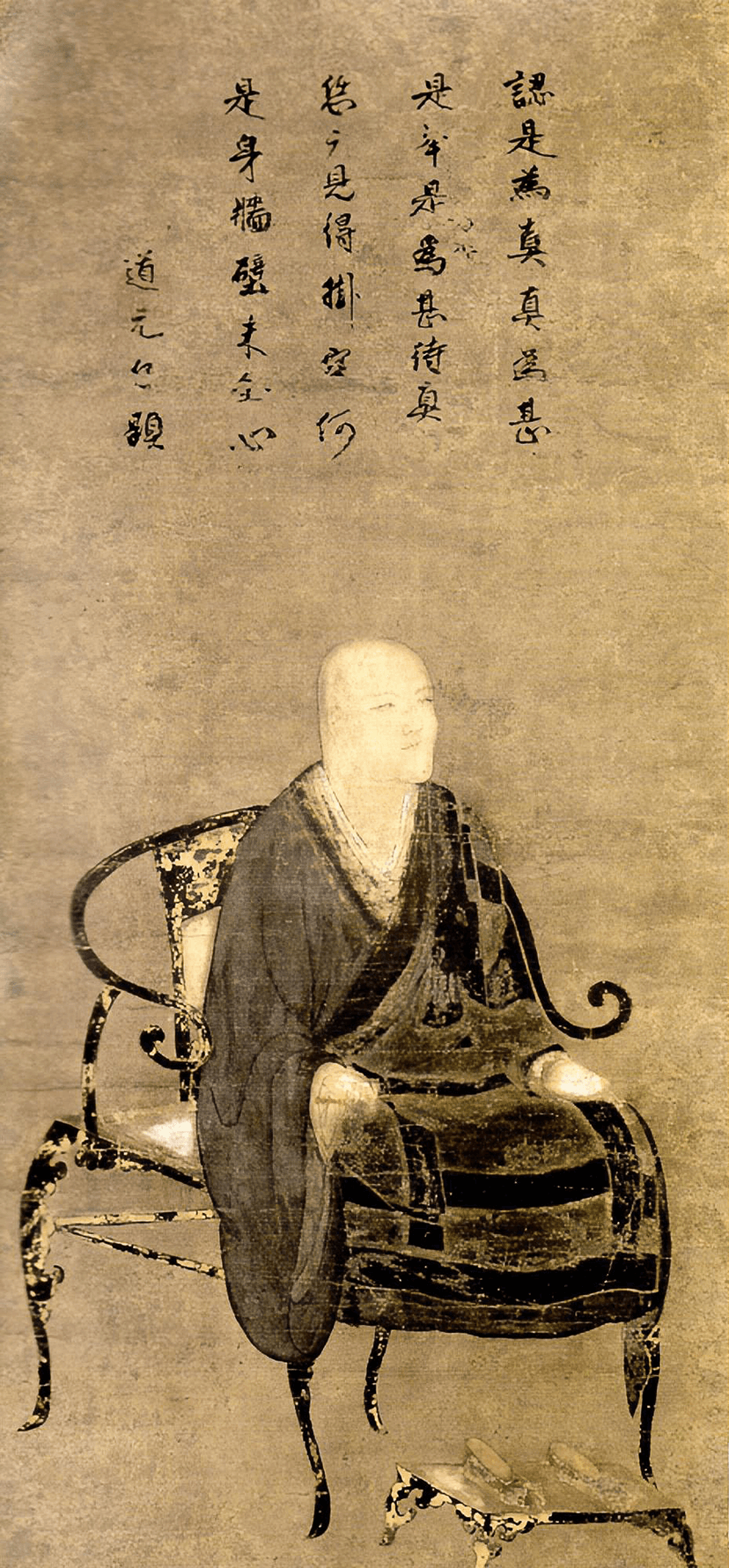
Dōgen was a pivotal Japanese Zen Buddhist monk, philosopher, and poet who founded the Sōtō school of Zen in Japan. Dissatisfied with existing Buddhist teachings, he traveled to China and studied under Tiāntóng Rújìng, an eminent master of the Cáodòng lineage. Upon his return, Dōgen introduced and emphasized the practice of zazen (sitting meditation) through his extensive writings, most notably the Shōbōgenzō, which remain central to contemporary Sōtō Zen.
Issan Dorsey
Issan Dorsey, born Tommy Dorsey Jr., was a Sōtō Zen monk and teacher who served as the abbot of Hartford Street Zen Center in San Francisco. He is recognized for his compassionate work establishing the Maitri Hospice, the first Buddhist hospice in the United States, which cared for individuals dying of AIDS. Many of his students and colleagues viewed him as an embodiment of a bodhisattva.
Imakita Kosen
Imakita Kosen was a prominent Japanese Rinzai Zen roshi and Neo-Confucianist who played a significant role in introducing Zen Buddhism to lay practitioners and the West. As a government loyalist and supporter of Emperor Meiji, he held a position in the Ministry of Doctrine. His influence extended through his disciples, most notably Soyen Shaku, who participated in the World Parliament of Religions, leading to further engagement with Western thinkers.