
Issan Dorsey
Issan Dorsey, born Tommy Dorsey Jr., was a Sōtō Zen monk and teacher who served as the abbot of Hartford Street Zen Center in San Francisco. He is recognized for his compassionate work establishing the Maitri Hospice, the first Buddhist hospice in the United States, which cared for individuals dying of AIDS. Many of his students and colleagues viewed him as an embodiment of a bodhisattva.
Key Facts
- ›Born Tommy Dorsey Jr. in Santa Barbara, California in 1933.
- ›Ordained as a Sōtō Zen priest and given the Dharma name Issan.
- ›Served as the abbot of Hartford Street Zen Center (HSZC) in San Francisco.
- ›Established Maitri Hospice at HSZC, the first Buddhist hospice in the U.S., to care for AIDS patients.
- ›Previously worked as a prostitute and drag queen, and struggled with drug addiction.
- ›Died in 1990 from complications related to AIDS.
Important Relationships
- Zentatsu Richard Baker
Hartford Street Zen Center, San Francisco, California, Castro District, San Francisco
Shunryu Suzuki, Ramana Maharshi
Bodhisattva Vows
About Issan Dorsey
Issan Dorsey (1933–1990), born Tommy Dorsey Jr., was a prominent Sōtō Zen monk and teacher. He is widely recognized for his compassionate work during the AIDS epidemic and for his role as the abbot of the Hartford Street Zen Center (HSZC) in San Francisco's Castro district.
Biography and Spiritual Path
Born in Santa Barbara, California, Tommy Dorsey Jr. was the youngest of ten children raised Catholic. His early life included aspirations of becoming an entertainer, leading him to join the U.S. Navy where he performed in shows. After leaving the Navy, he worked as a waiter and performer, becoming a drag queen in North Beach, San Francisco. This period was marked by struggles with drug addiction and involvement in sex work.
In the 1960s, Dorsey returned to San Francisco, continued to grapple with addiction, and engaged in dealing drugs. A spiritual experience under the influence of LSD, while contemplating a photograph of Ramana Maharshi, led him to renounce drugs and begin practicing zazen meditation at the San Francisco Zen Center under Shunryu Suzuki. Later, he became involved with The Gay Buddhist Club, which evolved into the Hartford Street Zen Center.
Contributions and Legacy
In 1987, Issan Dorsey established Maitri Hospice within the Hartford Street Zen Center. This hospice was the first of its kind in the United States, dedicated to providing care for students and friends, many of whom were gay men, dying of AIDS. His students and colleagues often spoke of Dorsey as embodying the spirit of a bodhisattva, a being dedicated to the enlightenment of all sentient beings.
Dorsey was ordained as a Sōtō priest by his teacher, Zentatsu Richard Baker. He was installed as the abbot of HSZC in 1989 and received the Dharma name Issan, meaning "One-Mountain." Shortly before his death, he was recognized as a roshi. Issan Dorsey died in 1990 from complications related to AIDS.
Source: Wikipedia ↗
Frequently Asked Questions
Who was Issan Dorsey?
Issan Dorsey, born Tommy Dorsey Jr., was a Sōtō Zen monk and teacher. He is known for his work as the abbot of Hartford Street Zen Center and for establishing the Maitri Hospice.
What was Issan Dorsey's role at Hartford Street Zen Center?
Issan Dorsey was ordained as a Sōtō priest and later installed as the abbot of the Hartford Street Zen Center (HSZC) in San Francisco. He was recognized as a roshi shortly before his death.
What significant contribution did Issan Dorsey make during the AIDS epidemic?
Issan Dorsey established the Maitri Hospice at HSZC, which was the first Buddhist hospice in the United States. This hospice provided care for students and friends, primarily gay men, who were dying of AIDS.
What was Issan Dorsey's background before becoming a Zen monk?
Before his life as a monk, Tommy Dorsey Jr. worked as a prostitute and drag queen, and experienced periods of drug addiction, particularly with methamphetamine. He also served in the U.S. Navy.
When and why did Issan Dorsey die?
Issan Dorsey died on September 6, 1990, from complications linked to AIDS. He had been in poor health prior to his death.
Related Buddhists
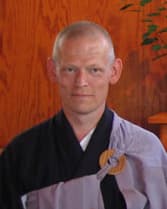
Sante Poromaa
Sante Poromaa Roshi is a Swedish Zen Buddhist teacher, recognized as a Roshi in the tradition of Philip Kapleau and Bodhin Kjolhede. He co-leads Zenbuddhistiska Samfundet, a significant Zen Buddhist organization in Sweden with centers across Europe. Poromaa is known for his teachings, meditation retreats, and his book "The Net of Indra – Rebirth in Science and Buddhism," exploring common ground between Buddhist and scientific worldviews.
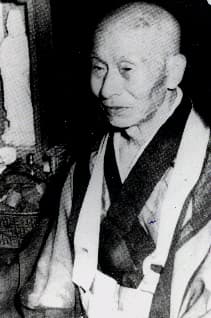
Harada Daiun Sogaku
Harada Daiun Sogaku was a Sōtō Zen monk renowned for integrating Rinzai koan study with Sōtō practice, departing from traditional sectarian boundaries. His teaching methods, particularly through his disciple Hakuun Yasutani, significantly influenced the spread of Zen in the West via the Harada–Yasutani lineage. Despite his innovative approach, he remained within the Sōtō sect throughout his life.
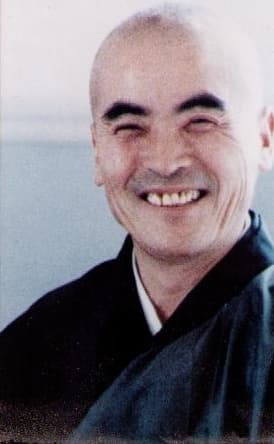
Dainin Katagiri
Jikai Dainin Katagiri was a Sōtō Zen priest and teacher who played a significant role in bringing Zen Buddhism from Japan to the United States. He is best known as the founding abbot of the Minnesota Zen Meditation Center and the founder of Hokyoji Zen Practice Community, establishing these centers during the formative years of Zen in America. Katagiri also served as an interim abbot for the San Francisco Zen Center.