
Ingen
China·Linji Chan Buddhism·Male·17th century
Ingen Ryūki was a Chinese poet, calligrapher, and Linji Chan Buddhist monk who founded the Ōbaku school of Zen in Japan. He is credited with introducing the Ming style of calligraphy and the common bean to Japan. His influence led to the establishment of the prominent Ōbaku head temple, Manpuku-ji, in Uji, Kyoto.
Key Facts
- ›Born in Fuqing, Fujian, China, in 1592.
- ›Ordained as a monk at age 28 at Wanfu Temple.
- ›Received dharma transmission from Feiyin Tongrong.
- ›Founded the Ōbaku school of Zen in Japan in 1654.
- ›Established the Ōbaku head temple Manpuku-ji in Uji, Kyoto, in 1661.
- ›Died in 1673 at Mampuku-ji.

Important Relationships
- Itsunen Shoyu
- Mu'an
- Sokuhi Nyoitsu
Complete Works of Ingen
Fuqing, Fujian, Mount Putuo, Wanfu Temple, Mount Huangbo, Nagasaki, Japan, Uji, Kyoto, Manpuku-Ji
Miyun Yuanwu, Feiyin Tongrong
Chinese
Monk
About Ingen
Ingen Ryūki
Ingen Ryūki (1592–1673) was a prominent Chinese Buddhist monk, poet, and calligrapher of the Linji Chan school. He is most renowned for his significant role in establishing the Ōbaku school of Zen Buddhism in Japan. His arrival in Japan marked a notable cultural exchange, introducing aspects of Ming dynasty Chinese culture.
Life and Historical Context
Born in Fuqing, Fujian, China, during the Ming dynasty, Ingen's early life involved a search for his father, which led him to Mount Putuo at age 20. After his mother's death, he was ordained as a monk at 28 at Wanfu Temple on Mount Huangbo, where Miyun Yuanwu and Feiyin Tongrong were his teachers. He received dharma transmission from Feiyin Tongrong and later served as abbot of Wanfu Temple, contributing to its growth as a Buddhist center.
In 1654, at the persistent invitation of Itsunen Shoyu, Ingen traveled to Nagasaki, Japan, accompanied by approximately 30 monks and artisans, including his disciple Mu'an. This journey initiated the establishment of the Ōbaku school of Zen in Japan. In 1661, he founded the Ōbaku head temple, Manpuku-ji, in Uji, Kyoto. Ingen passed away at Manpuku-ji on May 19, 1673.
Major Contributions
Ingen's influence extended beyond religious teachings. He is credited with introducing the Ming style of calligraphy to Japan, and along with his disciples Mu'an and Sokuhi Nyoitsu, they became known as the "Ōbaku no Sanpitsu" (Three Brushes of Ōbaku). He is also recognized for introducing the common bean to Japan, which subsequently became known as "Ingen mame" (Ingen bean) in his honor. The robes worn by Ōbaku monks are also referred to as "Ingengoromo" (Ingen robe).
Legacy
Ingen's legacy is deeply intertwined with the Ōbaku school he founded, which brought a distinct style of Chan Buddhism and Chinese cultural practices to Japan. His contributions as a calligrapher and the introduction of the Ingen bean have left lasting marks on Japanese culture and cuisine.
Source: Wikipedia ↗
Frequently Asked Questions
When and where was Ingen born?
Ingen was born on December 7, 1592, in Fuqing, Fujian, China, during the Ming dynasty.
What is Ingen most known for in Japan?
Ingen is most known for founding the Ōbaku school of Zen Buddhism in Japan. He also introduced the common bean, which is named after him (Ingen mame), and the Ming style of calligraphy.
When did Ingen go to Japan and establish the Ōbaku school?
Ingen went to Nagasaki, Japan, in 1654 with about 30 followers. He established the Ōbaku school of Zen and its head temple, Manpuku-ji, in Uji, Kyoto, in 1661.
Who were Ingen's teachers?
Ingen's teachers at Wanfu Temple were Miyun Yuanwu and Feiyin Tongrong. He received dharma transmission from Feiyin Tongrong.
What is the significance of the "Ōbaku no Sanpitsu"?
The "Ōbaku no Sanpitsu," meaning "Three Brushes of Ōbaku," refers to Ingen and his disciples Mu'an and Sokuhi Nyoitsu, who were skilled calligraphers that introduced the Ming style of calligraphy to Japan.
Related Buddhists
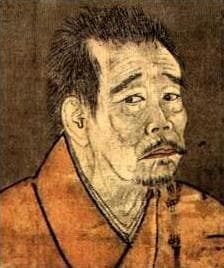
Ikkyū
Ikkyū Sōjun was a Japanese Zen Buddhist monk and poet renowned for his radical interpretation of Zen principles, often challenging monastic traditions and advocating for the integration of everyday life, including sexuality, into spiritual practice. His influence extended to Japanese art, literature, and the tea ceremony, and he remains a significant, albeit controversial, figure in Zen history, often depicted as a folk hero.
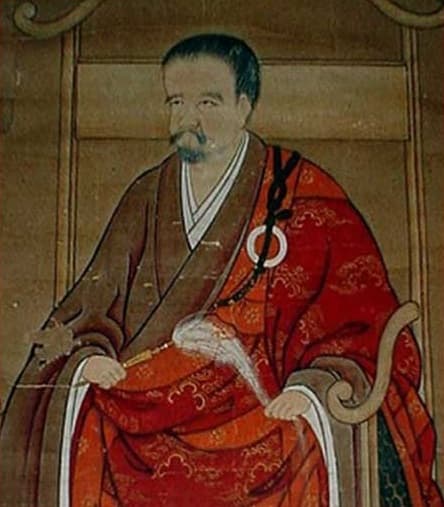
Bankei Yōtaku
Bankei Yōtaku (1622-1693) was a prominent Japanese Rinzai Zen master and abbot of Ryōmon-ji and Nyohō-ji. He is renowned for his minimalist approach to Zen, emphasizing the "unborn Buddha mind" and the concept of "fushō" (unborn). Bankei gained significant popularity through public talks delivered in colloquial Japanese, making his teachings accessible to laypeople.

Jack Ma
Jack Ma is a prominent Chinese businessman and philanthropist, best known as the co-founder of the e-commerce giant Alibaba Group and the financial technology company Ant Group. He is recognized as a pioneer of internet business in China, building Alibaba from a small startup into a multinational conglomerate. Despite his significant business achievements, his public influence saw a decline following regulatory scrutiny and the halting of Ant Group's IPO in 2020.