
Musō Soseki
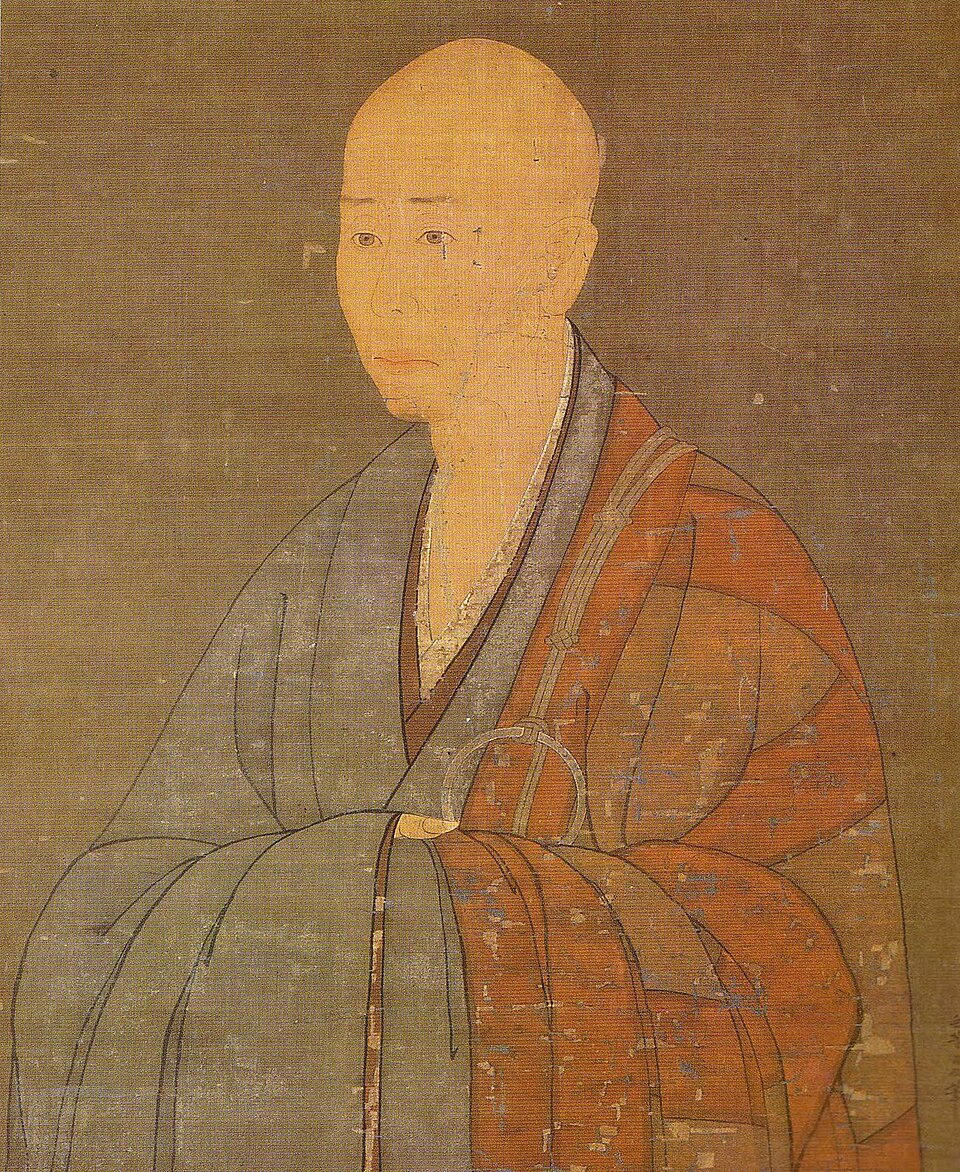
Musō Soseki was a prominent Rinzai Zen Buddhist monk, teacher, calligrapher, poet, and garden designer in 14th-century Japan. Revered as the most famous monk of his time, he received the honorific "Musō Kokushi" from Emperor Go-Daigo. He is celebrated for his significant contributions to Zen Buddhism, the development of the Five Mountain System, and the art of Japanese garden design, notably introducing concepts like "Zanzanjosui" and karesansui.
Key Facts
- ›Born in Ise Province, a descendant of Emperor Uda.
- ›Initially studied Shingon and Tendai Buddhism before converting to Zen.
- ›Founded or was abbot at numerous significant temples, including Nanzen-ji, Tenryū-ji, and Zuisen-ji.
- ›Played a key role in establishing the five Mountain System of Zen monasteries and the Ankoku-ji network.
- ›Considered a genius in landscape design, with his gardens at Saihō-ji and Tenryū-ji recognized as UNESCO World Heritage Sites.
- ›Authored "Dream Conversations" (Muchū Mondō-shū) and influenced the development of Japanese Literature of the five Mountains.
Important Relationships
- Emperor Go-Daigo
- Ashikaga Takauji
- Ashikaga Tadayoshi
- Hōjō Masamura
- Kūa
- Muin Enpan
- Kōhō Kennichi
- Hōjō Takatoki
- Nikaidō Dōun
- Shihon
- Gidō Shūshin
- Zekkai Chūshin
Dream Conversations
Ise Province, Kyoto, Kamakura, Nara
Shingon Buddhism, Tendai Buddhism
Japanese, Classical Chinese
Monastic Vows
Teacher, Monk, Calligrapher, Poet, Garden Designer, Reformer
National Teacher, Founder
About Musō Soseki
Musō Soseki (1275–1351) was a pivotal figure in Japanese Rinzai Zen Buddhism, renowned as a teacher, calligrapher, poet, and landscape designer. He is widely regarded as the most famous monk of his era and was honored with the title "Musō Kokushi" (National Teacher Musō) by Emperor Go-Daigo.
Biography and Spiritual Journey
Born in Ise Province, Musō Soseki's early life involved studying Shingon and Tendai Buddhism before a profound dream led him to embrace Zen. He took his monastic vows at Tōdai-ji in Nara in 1292, initially named Chikaku. His spiritual path deepened under teachers like Muin Enpan and Kōhō Kennichi, with Kennichi confirming his enlightenment. Later, inspired by his dream, he adopted the name Musō Soseki, reflecting "dream" and "window" in his personal name and incorporating the names of Chinese temples from his vision.
Contributions to Buddhism and Society
Musō Soseki held significant positions, including head priest of Nanzen-ji in Kyoto at Emperor Go-Daigo's request. He founded several important temples, such as Zen'o-ji in his native Ise and Zuisen-ji in Kamakura, which became cultural centers. Following the fall of the Kamakura shogunate, he was instrumental in establishing the Five Mountain System (Gozan) of Zen monasteries and the Ankoku-ji network across Japan, fostering a national religious movement and strengthening the shogunate's influence. He also played a role in reopening trade between Japan and Ming China.
Artistic and Intellectual Legacy
Musō Soseki's intellectual legacy includes his teachings, which influenced a vast number of disciples, estimated to be over ten thousand. His anthology "Dream Conversations" (Muchū Mondō-shū) remains a well-known work. His most enduring artistic contribution is in the realm of garden design. He introduced the concept of "Zanzanjosui" (a philosophy of garden design) and significantly influenced the development of karesansui (dry landscape gardens), using stonework to depict imaginary landscapes. His gardens at Saihō-ji (Koke-dera) and Tenryū-ji in Kyoto are recognized as UNESCO World Heritage Sites and are considered masterpieces of Japanese landscape art, demonstrating his genius in integrating nature and spiritual practice.
Later Life and Recognition
Musō Soseki died in 1351 at the age of 77. He received numerous posthumous honorific titles, including "Shōkaku Kokushi" and "Shinshū Kokushi," earning him the distinction of being known as "the Teacher to Seven Emperors" (Nanachō Teishi).
Source: Wikipedia ↗
Frequently Asked Questions
Who was Musō Soseki?
Musō Soseki was a highly influential Rinzai Zen Buddhist monk and teacher in 14th-century Japan. He was also recognized for his talents as a calligrapher, poet, and garden designer.
What is Musō Soseki known for?
He is known for his pivotal role in the development of the Five Mountain System of Zen monasteries, his extensive teachings, and his innovative contributions to Japanese garden design, particularly at sites like Tenryū-ji and Saihō-ji.
What does the name Musō Soseki mean?
The name Musō Soseki was adopted after a dream and is composed of characters meaning 'dream' (Musō) and the first characters of the names of two Chinese temples, Sozan and Sekitō, that appeared in his dream (Soseki).
What was Musō Soseki's relationship with the Ashikaga shogunate?
Musō Soseki allied himself with Ashikaga Takauji and his brother Tadayoshi, becoming their intimate. He helped them organize the Five Mountain System and the Ankoku-ji network, which aided in solidifying the shogunate's power.
What is the significance of Musō Soseki's gardens?
Musō Soseki's Zen gardens are considered among his most lasting contributions. He introduced concepts like "Zanzanjosui" and karesansui (dry landscape gardens), integrating Zen practice with landscape design. His gardens at Saihō-ji and Tenryū-ji are now UNESCO World Heritage Sites.
What is "Dream Conversations"?
"Dream Conversations" (Muchū Mondō-shū) is one of Musō Soseki's best-known anthologies of Zen teachings. It reflects his profound insights and teachings, influencing many disciples and the broader Zen tradition.
Related Buddhists
Ikkyū
Ikkyū Sōjun was a Japanese Zen Buddhist monk and poet renowned for his radical interpretation of Zen principles, often challenging monastic traditions and advocating for the integration of everyday life, including sexuality, into spiritual practice. His influence extended to Japanese art, literature, and the tea ceremony, and he remains a significant, albeit controversial, figure in Zen history, often depicted as a folk hero.

Ingen
Ingen Ryūki was a Chinese poet, calligrapher, and Linji Chan Buddhist monk who founded the Ōbaku school of Zen in Japan. He is credited with introducing the Ming style of calligraphy and the common bean to Japan. His influence led to the establishment of the prominent Ōbaku head temple, Manpuku-ji, in Uji, Kyoto.

Keido Fukushima
Keidō Fukushima was a prominent Japanese Rinzai Zen master and head abbot of Tōfuku-ji in Kyoto. He significantly influenced the development of Rinzai Zen in the West by accepting Western students, including women, and conducting extensive teaching tours and retreats in the United States. Fukushima was also recognized for his authority in calligraphy and his efforts to support the reconstruction of historical monasteries in China.