
Muhō Noelke
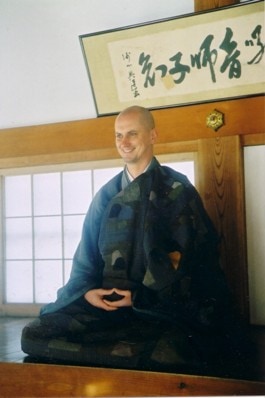
Muhō Noelke is a German-born Sōtō Zen monk and author, known for his tenure as the abbot of Antai-ji temple in Japan from 2002 to 2020. He has translated the works of Dōgen and Kōdō Sawaki and authored numerous books in both German and Japanese, exploring Zen practice and philosophy.
Key Facts
- ›Born Jens Olaf Christian Nölke in Germany on March 1, 1968.
- ›Became a Sōtō Zen monk under abbot Miyaura Shinyu Rōshi.
- ›Served as the ninth abbot of Antai-ji temple in Japan from 2002 to 2020.
- ›Has translated works by Dōgen and KōDō Sawaki.
- ›Authored six books in German and sixteen books in Japanese.
- ›Currently leads a Zen group in Osaka's castle park.
Important Relationships
- Miyaura Shinyu Rōshi (teacher)
- Ekō (successor)
- Zazen, and the Path To Happiness
- Zazen Oder Der Weg Zum GlüCk
- Ein Regentropfen Kehrt Ins Meer ZurüCk
- Das Meer Weist Keinen Fluss ZurüCk
- Der Mond Leuchtet In Jeder PfüTze
- Alles, Was Du Denkst, Sind Nur Gedanken
- Mayoeru Mono No Zen Shugyou
- Hadaka No Bousama
- Tada Suwaru
- Ikiru Hint 33
- Otona Ni Naru Tame No Yatsu No Shugyou
- Mayoinagara Ikiru
- Dogen Wo Gyakuyunyu
- Nihonjin Ni Shukyo Ha Iranai
- Yomu Dake Zen Shugyou
- Mayoi Ha Satori No Dai-Ippo
- Ari No Mama Demo Ii, Ari No Mama De Nakute Mo Ii
- Kokoro Ni Hibiku Bukkyou No Kingen 100
- Naze Nihonjin Ha Gosenzo-Sama Ni Inoru No Ka
- Bukkyou No Tsumetasa, Kirisutokyou No Ayausa
- Magenai Doitsujin, Kimenai Nihonjin
- Kyou Wo Shinu Koto De, Ashita Wo Ikiru
- Jinsei To Iu Kusogame Wo Kaeru Tame No Bukkyou
- Jinsei To Iu Kusogame Wo Kaeru Tame No Tetsugaku To Zazen
- To You: Collected Sayings of Kodo Sawaki
- Penetre & Ich: Philosophie FüR Ein GlüCkliches Leben
- Antai-Ji Temple, Shin'Onsen, HyōGo Prefecture, Japan
- Osaka, Japan
DōGen, KōDō Sawaki
German, Japanese
Bhikkhu
About Muhō Noelke
Muhō Noelke, born Jens Olaf Christian Nölke on March 1, 1968, is a German-born Sōtō Zen monk and author who has made significant contributions to the dissemination of Zen Buddhism, particularly in Japan. He is widely recognized for his 18-year tenure as the abbot of Antai-ji, a renowned Sōtō Zen temple located in Shin'onsen, Hyōgo Prefecture, Japan, from 2002 to 2020.
Life and Practice
Noelke's journey towards Zen began at age 16 when he was introduced to zazen by a high school teacher, sparking a desire to become a monk. To prepare for his monastic life in Japan, he pursued studies in the Japanese language, philosophy, and physics at the Free University of Berlin. During his university years, he spent a year at Kyoto University, where he first learned about Antai-ji temple. At the age of 22, he lived at Antai-ji for six months as a lay practitioner. After graduating, he was ordained as a Sōtō Zen monk under Abbot Miyaura Shinyu Rōshi. His training also included periods at the Rinzai monastery Tōfuku-ji in Kyoto and Hosshin-ji in Obama.
Following the transmission of dharma from his teacher, Noelke lived as a homeless monk in Osaka for a period, leading a zazen group. In 2002, upon the sudden death of his teacher, he was called back to Antai-ji and succeeded him as the ninth abbot. After retiring from his abbotship in 2020, he appointed a Japanese nun, Ekō, as his successor. Since his retirement, Muhō Noelke has continued to reside in Osaka, where he leads a Zen group that meets regularly.
Writings and Translations
Muhō Noelke is a prolific author and translator. He has authored six books in German and sixteen books in Japanese, exploring various aspects of Zen practice, philosophy, and daily life. His notable works include 'Zazen oder der Weg zum Glück' (Zazen or the Path to Happiness) and 'Ein Regentropfen kehrt ins Meer zurück' (A Raindrop Returns to the Sea). He has also translated the works of influential Zen masters such as Dōgen and Kōdō Sawaki, contributing to the accessibility of these texts for a wider audience. His translations include Kōdō Sawaki's 'To You: Collected Sayings of Kodo Sawaki' and Hitoshi Nagai's 'Penetre & ich: Philosophie für ein glückliches Leben'. Muhō Noelke has also been featured in films and documentaries, further sharing his insights on Zen.
Source: Wikipedia ↗
Frequently Asked Questions
Who is Muhō Noelke?
Muhō Noelke is a German-born Sōtō Zen monk and author. He is recognized for his role as the abbot of Antai-ji temple in Japan and for his extensive writings and translations on Zen Buddhism.
What is Antai-ji temple?
Antai-ji is a Japanese Sōtō Zen temple located in Shin'onsen, Hyōgo Prefecture. Muhō Noelke served as its abbot for 18 years, from 2002 to 2020.
What are some of Muhō Noelke's notable works?
Muhō Noelke has authored numerous books, including titles in German such as 'Zazen oder der Weg zum Glück' and 'Ein Regentropfen kehrt ins Meer zurück'. He has also translated works by Dōgen and Kōdō Sawaki.
What is Muhō Noelke's background before becoming a monk?
Before becoming a monk, Muhō Noelke studied Japanese, philosophy, and physics at the Free University of Berlin. He also spent a year at Kyoto University and had an early introduction to zazen at age 16.
What is his current activity after retiring as abbot?
Since retiring as abbot of Antai-ji in 2020, Muhō Noelke spends most of his time in Osaka, where he leads a Zen group that meets weekly.
Related Buddhists
Shōhaku Okumura
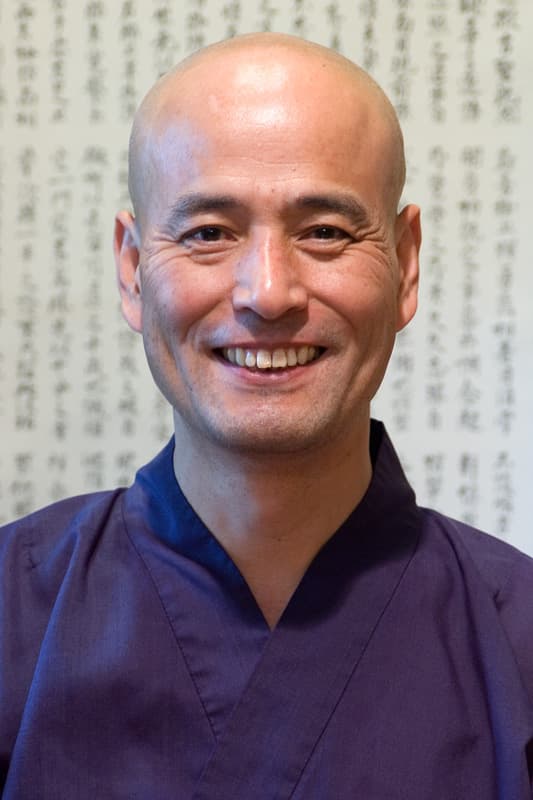
Shōhaku Okumura is a Japanese Sōtō Zen priest and the founder and abbot of the Sanshin Zen Community in Bloomington, Indiana. He is known for his dedication to the practice of zazen, largely to the exclusion of other rituals, and for his extensive work translating the writings of Eihei Dōgen and Kōshō Uchiyama into English. Okumura's teachings emphasize silent meditation retreats and intensive study of Dōgen's texts, significantly contributing to the dissemination of Zen Buddhism in the United States.

Taigen Dan Leighton
Taigen Dan Leighton is a Sōtō Zen priest, teacher, academic, and author, recognized as an authorized lineage holder in the tradition of Shunryū Suzuki. He founded Ancient Dragon Zen Gate in Chicago, Illinois, and is also an authorized teacher in the Japanese Sōtō School. Leighton is known for his extensive scholarship on Dōgen Zenji and his active involvement in engaged Buddhism, particularly in environmental and peace activism.
Harada Daiun Sogaku
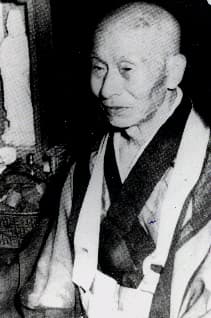
Harada Daiun Sogaku was a Sōtō Zen monk renowned for integrating Rinzai koan study with Sōtō practice, departing from traditional sectarian boundaries. His teaching methods, particularly through his disciple Hakuun Yasutani, significantly influenced the spread of Zen in the West via the Harada–Yasutani lineage. Despite his innovative approach, he remained within the Sōtō sect throughout his life.