
Kōdō Sawaki
Kōdō Sawaki was a highly influential Japanese Sōtō Zen teacher of the 20th century, known for making Zen meditation accessible to laypeople and reviving the tradition of sewing the kesa. Despite a difficult childhood and wartime experiences, he dedicated his life to teaching Zen, emphasizing rigorous zazen practice and a direct, often unconventional, approach to spiritual guidance. His teachings focused on 'wonderfully useless' Zen, encouraging practitioners to embrace the present moment and the natural condition of existence.
Key Facts
- ›Born in Tsu, Mie, Japan, on June 16, 1880.
- ›Ordained as a monk at age 18 at Soshin-ji.
- ›Served in the Russo-Japanese War, where he was shot and nearly died.
- ›Became a prominent professor at Komazawa University and later took responsibility for Antai-ji in Kyoto.
- ›Known for his direct teaching style and emphasis on zazen, particularly shikantaza.
- ›Died on December 21, 1965, at Antai-ji.

Important Relationships
- Kosho Uchiyama (disciple)
the Zen Teaching of Homeless Kodo, Commentary On the Song of Awakening
Tsu, Mie, Eihei-Ji, Soshin-Ji, Hosenji, Daijiji, Antai-Ji
DōGen
Japanese
Monastic Vows
Prominent Teacher, Influential Figure
About Kōdō Sawaki
Kōdō Sawaki (1880–1965)
Kōdō Sawaki was a pivotal figure in 20th-century Japanese Sōtō Zen Buddhism. He is widely recognized for his efforts to integrate Zen practice, particularly meditation, into the daily lives of laypeople and for his role in reviving the ancient tradition of sewing the kesa (monastic robe).
Life and Historical Context
Born in Tsu, Mie, on June 16, 1880, Sawaki experienced a challenging early life marked by the early deaths of his parents and subsequent difficult upbringing. He ran away at sixteen to become a monk at Eihei-ji, one of the two head temples of the Sōtō Zen sect. His early monastic life was fraught with hardship, including poverty, mistreatment, and even imprisonment. He served in the Russo-Japanese War, where he was severely wounded, an experience that profoundly marked him.
Sawaki's later life saw him engage in extensive Zen training, eventually becoming a professor at Komazawa University and later taking responsibility for Antai-ji, a Zen temple in northern Kyoto. Due to his constant travel and dedication to teaching widely, rather than holding a conventional abbot position, he became known as "Homeless Kōdō."
Major Contributions and Teachings
Sawaki's teachings were characterized by a direct, sometimes unconventional, style and a rigorous emphasis on zazen (sitting meditation), particularly shikantaza. He often described Zen as "wonderfully useless," discouraging the pursuit of special experiences and instead advocating for practitioners to find their true nature through diligent practice. He taught that Buddhism is realized through embodied practice and that through zazen, one can eliminate the self and become one with all things, embracing the natural condition of existence and the continuous giving of life by "Mother Earth." He also addressed worldly desires, teaching that while they are inherent, their burdens can be managed through mindful engagement.
Legacy
Kōdō Sawaki's influence on Sōtō Zen is significant, particularly in repopularizing sitting practice in Japan. While his support for the Japanese war effort has been a point of criticism, his teachings on zazen and his commitment to making Zen accessible to all continue to resonate. He died on December 21, 1965, at Antaiji, leaving behind a legacy carried on by his disciples, notably Kosho Uchiyama, who compiled his sayings into the influential collection "The Zen Teaching of Homeless Kodo."
Source: Wikipedia ↗
Frequently Asked Questions
What was Kōdō Sawaki's early life like?
Sawaki was born into a wealthy family but experienced significant hardship after his parents died young. He was adopted and raised by a lantern maker who subjected him to harsh treatment and turned their home into a gambling parlor. These experiences, alongside witnessing a death at a brothel, instilled in him a profound sense of emptiness and the realization that things cannot be hidden.
How did Kōdō Sawaki become a monk?
At 16, Sawaki ran away from home to become a monk at Eihei-ji, a head temple of the Sōtō Zen sect. After being instructed to find a temple that could ordain him, he embarked on a difficult journey, eventually arriving at Soshin-ji at age 18, where he was ordained in 1899.
What was Sawaki's stance on war?
During the Russo-Japanese War, Sawaki actively supported the Japanese war effort, viewing sacrifice for the emperor as true selflessness. He was wounded in combat, suffering a serious neck injury. While his early support for the war has drawn criticism, the extent of his views and whether they evolved later in life is debated.
What is Kōdō Sawaki best known for in his teachings?
Sawaki is renowned for his rigorous emphasis on zazen (sitting meditation), particularly shikantaza. He famously described Zen as 'wonderfully useless,' cautioning against seeking special experiences or states of consciousness, and instead encouraged practitioners to embody 'no-self' and live fully in the present moment.
Why was Kōdō Sawaki called 'Homeless Kōdō'?
He earned the nickname 'Homeless Kōdō' because he did not become a conventional abbot of a home temple. Instead, he traveled extensively throughout Japan to teach Zen, focusing on laypeople and speaking wherever requests were made, which led to him being without a fixed monastic base.
Who succeeded Kōdō Sawaki?
Upon his death, Kōdō Sawaki was succeeded by his senior disciple, Kosho Uchiyama, who also compiled and published many of Sawaki's sayings in the collection 'To You'.
Related Buddhists
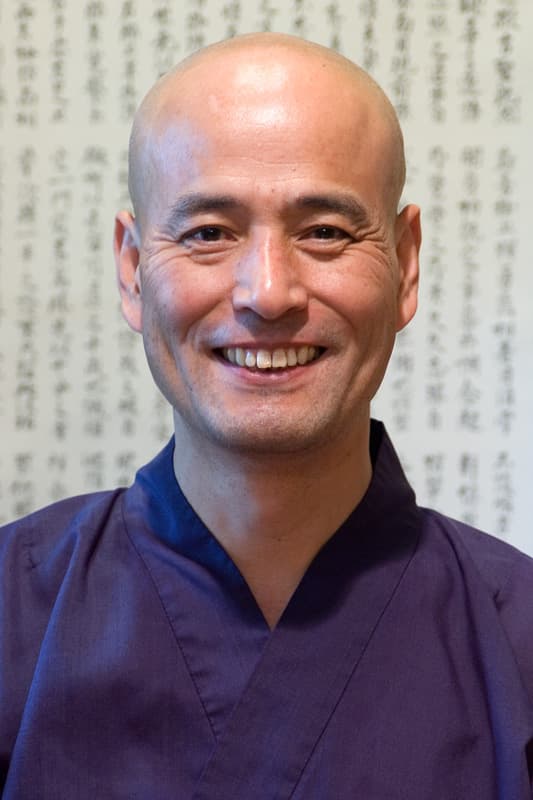
Shōhaku Okumura
Shōhaku Okumura is a Japanese Sōtō Zen priest and the founder and abbot of the Sanshin Zen Community in Bloomington, Indiana. He is known for his dedication to the practice of zazen, largely to the exclusion of other rituals, and for his extensive work translating the writings of Eihei Dōgen and Kōshō Uchiyama into English. Okumura's teachings emphasize silent meditation retreats and intensive study of Dōgen's texts, significantly contributing to the dissemination of Zen Buddhism in the United States.
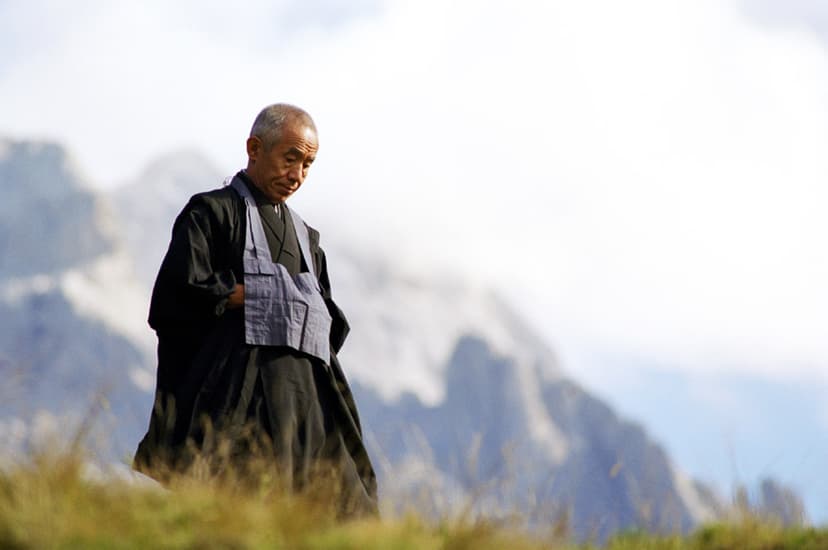
Kōbun Chino Otogawa
Kōbun Chino Otogawa was an American Sōtō Zen priest who came to the United States from Japan in 1967. He served as an assistant at Tassajara Zen Mountain Center and later founded and led several Zen centers, including Haiku Zen Center (later Bodhi) in Los Altos, California, and Jikoji in the Santa Cruz Mountains. Otogawa was known for his unconventional and accommodating teaching style, emphasizing self-acceptance and finding meaning in practice.
Dainin Katagiri
Jikai Dainin Katagiri was a Sōtō Zen priest and teacher who played a significant role in bringing Zen Buddhism from Japan to the United States. He is best known as the founding abbot of the Minnesota Zen Meditation Center and the founder of Hokyoji Zen Practice Community, establishing these centers during the formative years of Zen in America. Katagiri also served as an interim abbot for the San Francisco Zen Center.