
Kōbun Chino Otogawa
Kōbun Chino Otogawa was an American Sōtō Zen priest who came to the United States from Japan in 1967. He served as an assistant at Tassajara Zen Mountain Center and later founded and led several Zen centers, including Haiku Zen Center (later Bodhi) in Los Altos, California, and Jikoji in the Santa Cruz Mountains. Otogawa was known for his unconventional and accommodating teaching style, emphasizing self-acceptance and finding meaning in practice.
Key Facts
- ›Born in Japan on February 1, 1938, and died in Switzerland on July 26, 2002.
- ›Ordained as a Sōtō Zen priest at age 12.
- ›Studied at Komazawa University and received a master's degree in Mahayana Buddhism from Kyoto University.
- ›Trained for three years at Eiheiji monastery in Japan.
- ›Came to the United States in 1967 at the invitation of Shunryu Suzuki-roshi.
- ›Presided over the marriage of Steve Jobs and Laurene Powell in 1991.
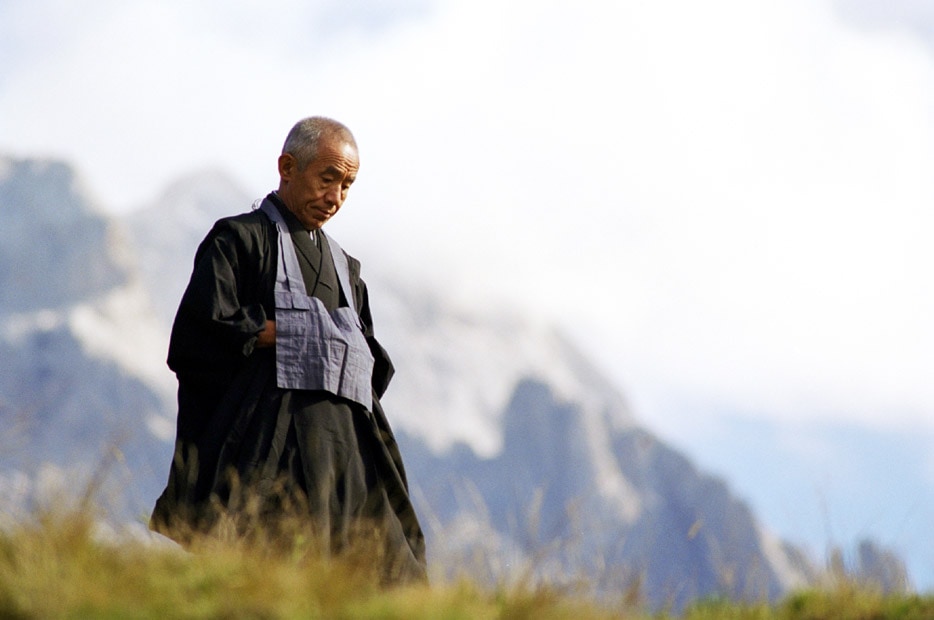
Important Relationships
- Shunryu Suzuki-roshi
- Steve Jobs
- Laurene Powell
Changing the World, No Thought Required, New Tricks?, Form Is Emptiness
San Francisco, California, Tassajara Zen Mountain Center, Los Altos, California, Santa Cruz Zen Center, Arroyo Seco, New Mexico, Taos, New Mexico, Naropa University, Jikoji, Switzerland
Kodo Sawaki
English
Priest Vows
About Kōbun Chino Otogawa
Kōbun Chino Otogawa (1938–2002) was a significant figure in the introduction and development of Sōtō Zen Buddhism in the United States. Born in Japan, he was ordained a priest at the age of twelve and pursued advanced studies in Mahayana Buddhism before coming to America in 1967.
Biography and Early Life
Born Kōbun Otogawa, he preferred to be called by his first name, eschewing the honorifics "sensei" or "roshi." He was the son of a Sōtō Zen priest and received his early ordination in Japan. After completing undergraduate studies at Komazawa University and earning a master's degree in Mahayana Buddhism from Kyoto University, he underwent three years of training at the prominent Eiheiji monastery. His teachers included the unconventional Zen master Kodo Sawaki, known for his wandering asceticism.
Work in the United States
Otogawa first arrived in the United States at the invitation of Shunryu Suzuki-roshi, assisting him at the Tassajara Zen Mountain Center until 1970. He then moved to Los Altos, California, where he began teaching at the Haiku Zendo. Following Suzuki's death in 1971, Otogawa assumed leadership of the Haiku Zen Center, which was later incorporated as Bodhi, serving as its teacher until 1978. He was also instrumental in the establishment of the Santa Cruz Zen Center. Later, he founded Hokoji in Arroyo Seco, New Mexico, and taught at Naropa University, returning periodically to Bodhi for retreats. In 1983, he co-founded Jikoji, a rustic mountain retreat center in the Santa Cruz Mountains.
Personal Life and Legacy
Kōbun Chino Otogawa presided over the marriage of Steve Jobs and Laurene Powell in 1991. He died in Switzerland on July 26, 2002, tragically drowning while attempting to save his five-year-old daughter, Maya, who had fallen from a dock. Otogawa taught many students in the United States and Europe, leaving behind several dharma heirs. His teachings emphasized spaciousness, non-pretension, and radical self-acceptance, making Buddhist practice accessible to a wide range of people. He is remembered for his profound yet simple advice, such as encouraging kindness as a response to fear and anger, and for his unique insights into the nature of practice and self.
Source: Wikipedia ↗
Frequently Asked Questions
Who was Kōbun Chino Otogawa?
Kōbun Chino Otogawa was an American Sōtō Zen priest who was instrumental in establishing Zen Buddhism in the United States. He was known for his unique teaching style and his role in founding several Zen centers.
When and where did Kōbun Chino Otogawa live?
Kōbun Chino Otogawa was born in Japan on February 1, 1938, and came to the United States in 1967. He lived and taught in various locations in California and New Mexico, and he died in Switzerland on July 26, 2002.
What Zen centers was Kōbun Chino Otogawa associated with?
Otogawa was associated with Tassajara Zen Mountain Center, Haiku Zen Center (later Bodhi) in Los Altos, California, the Santa Cruz Zen Center, Hokoji in Arroyo Seco, New Mexico, and Jikoji, a retreat center in the Santa Cruz Mountains.
What was Kōbun Chino Otogawa's teaching style like?
He was known for an open, accommodating, and non-judgmental approach. Otogawa emphasized self-acceptance, allowing practitioners to be themselves, and finding meaning in the present moment through practice.
What are some notable teachings or advice from Kōbun Chino Otogawa?
Otogawa advised, 'Do one kind thing for someone every day' in response to fear and anger after 9/11. He also taught that 'We sit to make life meaningful' and that self-acceptance is the hardest but most crucial aspect of practice.
Related Buddhists
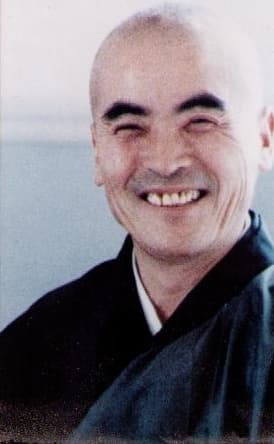
Dainin Katagiri
Jikai Dainin Katagiri was a Sōtō Zen priest and teacher who played a significant role in bringing Zen Buddhism from Japan to the United States. He is best known as the founding abbot of the Minnesota Zen Meditation Center and the founder of Hokyoji Zen Practice Community, establishing these centers during the formative years of Zen in America. Katagiri also served as an interim abbot for the San Francisco Zen Center.
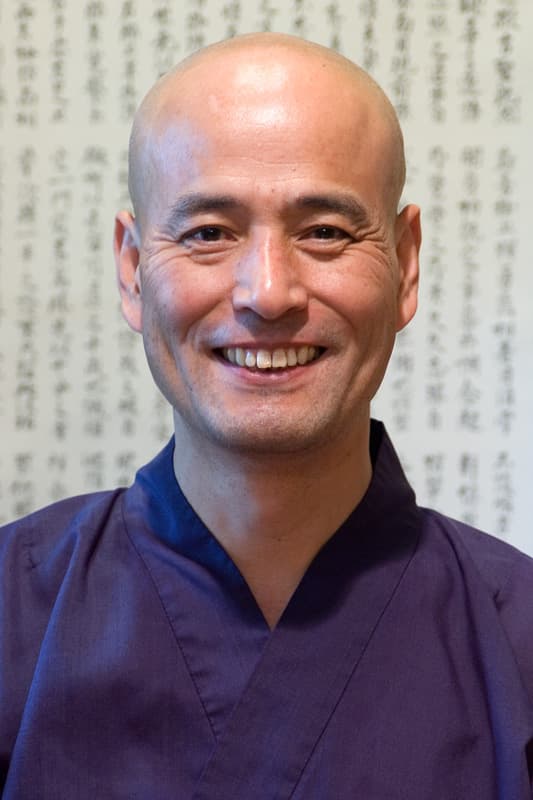
Shōhaku Okumura
Shōhaku Okumura is a Japanese Sōtō Zen priest and the founder and abbot of the Sanshin Zen Community in Bloomington, Indiana. He is known for his dedication to the practice of zazen, largely to the exclusion of other rituals, and for his extensive work translating the writings of Eihei Dōgen and Kōshō Uchiyama into English. Okumura's teachings emphasize silent meditation retreats and intensive study of Dōgen's texts, significantly contributing to the dissemination of Zen Buddhism in the United States.

Kōdō Sawaki
Kōdō Sawaki was a highly influential Japanese Sōtō Zen teacher of the 20th century, known for making Zen meditation accessible to laypeople and reviving the tradition of sewing the kesa. Despite a difficult childhood and wartime experiences, he dedicated his life to teaching Zen, emphasizing rigorous zazen practice and a direct, often unconventional, approach to spiritual guidance. His teachings focused on 'wonderfully useless' Zen, encouraging practitioners to embrace the present moment and the natural condition of existence.