
Shōhaku Okumura
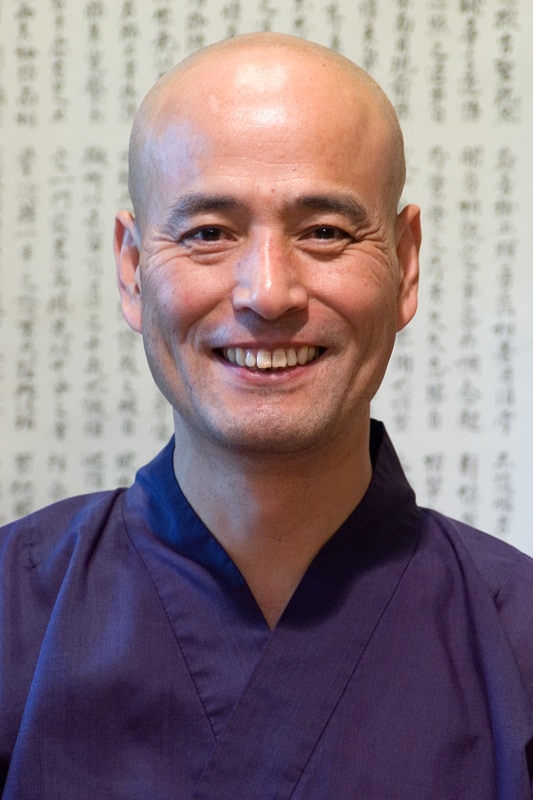
Shōhaku Okumura is a Japanese Sōtō Zen priest and the founder and abbot of the Sanshin Zen Community in Bloomington, Indiana. He is known for his dedication to the practice of zazen, largely to the exclusion of other rituals, and for his extensive work translating the writings of Eihei Dōgen and Kōshō Uchiyama into English. Okumura's teachings emphasize silent meditation retreats and intensive study of Dōgen's texts, significantly contributing to the dissemination of Zen Buddhism in the United States.
Key Facts
- ›Born in Osaka, Japan, in 1948.
- ›Ordained as a Sōtō Zen priest in 1970 by Kōshō Uchiyama at Antaiji.
- ›Co-founded Valley Zendo in Massachusetts, USA.
- ›Founded the Sanshin Zen Community in Bloomington, Indiana, in 1996.
- ›Served as director of the Sōtō Zen Buddhism International Center in San Francisco from 1997 to 2010.
- ›Known for his translations of key Zen Buddhist texts, particularly those of Eihei Dōgen and Kōshō Uchiyama.
Important Relationships
- Kōshō Uchiyama (teacher)
- Yoko Okumura (daughter)
- Living By Vow: A Practical Introduction To Eight Essential Zen Chants and Texts
- Shobogenzo Zuimonki: Sayings of Eihei Dogen Zenji
- Dogen's Extensive Record: A Translation of the Eihei Koroku
- the Wholehearted Way: A Translation of Eihei Dogen's Bendowa
- Pure Standards For the Zen Community: A Translation of the Eihei Shingi
Osaka, Japan, Tokyo, Japan, Antaiji, Massachusetts, Usa, Valley Zendo, Minneapolis, Minnesota, Minnesota Zen Meditation Center, Bloomington, Indiana, Sanshin Zen Community, San Francisco, California, SōTō Zen Buddhism International Center, Kyoto SōTō Zen Center
KōShō Uchiyama, Eihei DōGen
Japanese, English
Ordination Vows
About Shōhaku Okumura
Shōhaku Okumura is a prominent Japanese Sōtō Zen priest, widely recognized for his role as the founder and abbot of the Sanshin Zen Community in Bloomington, Indiana. Born in Osaka, Japan, in 1948, Okumura received his foundational Zen education at Komazawa University and was ordained in 1970 by his teacher, Kōshō Uchiyama, at Antaiji.
Life and Practice
Following his teacher's wishes, Okumura traveled to the United States in the late 1970s, where he co-founded Valley Zendo in Massachusetts. He continued to practice and teach Uchiyama's style of zazen, which emphasizes silent, intensive meditation. In 1981, he returned to Japan, dedicating himself to translating the works of Uchiyama and the esteemed Zen master Eihei Dōgen into English. He also spent time teaching at the Kyoto Sōtō Zen Center.
Okumura returned to the United States in the 1990s, serving as a teacher at the Minnesota Zen Meditation Center before establishing the Sanshin Zen Community in Indiana in 1996. From 1997 to 2010, he also held the position of director for the Sōtō Zen Buddhism International Center in San Francisco.
Teaching Philosophy
Okumura's desire to embrace Buddhism was ignited by Kōshō Uchiyama's book "Self." His teaching philosophy mirrors Uchiyama's, centering on the practice of zazen with a deliberate focus on silent meditation retreats, often referred to as "sesshin without toys." These retreats consist of extended periods of zazen, punctuated only by meals and rest, with no additional rituals or work periods. He also guides students in intensive study of Dōgen's seminal work, the Shōbōgenzō, through "genzō-e retreats."
Contributions to Zen Literature
A significant aspect of Okumura's contribution is his extensive work in translating Zen Buddhist texts into English. He has made previously inaccessible writings by Dōgen and Uchiyama available to a wider audience, including translations of Dōgen's Pure Standards for the Zen Community and Eihei Kōroku, often in collaboration with Taigen Dan Leighton. His own authored works, such as Living by Vow: A Practical Introduction to Eight Essential Zen Chants and Texts, further elucidate Zen practice for Western practitioners.
Source: Wikipedia ↗
Frequently Asked Questions
Who is Shōhaku Okumura?
Shōhaku Okumura is a Japanese Sōtō Zen priest, recognized as a significant teacher and translator of Zen Buddhist texts. He is the founder and abbot of the Sanshin Zen Community in Bloomington, Indiana, and has played a key role in introducing Zen practices and teachings to the United States.
What is Shōhaku Okumura's primary teaching focus?
Okumura's teachings are centered on the practice of zazen, or seated meditation, often to the exclusion of other rituals. He emphasizes silent meditation retreats and intensive study of texts by masters like Eihei Dōgen, with a focus on translating these works into English for wider accessibility.
What is the significance of Kōshō Uchiyama in Okumura's life?
Kōshō Uchiyama was Shōhaku Okumura's teacher, under whom he was ordained. Uchiyama's book 'Self' inspired Okumura to pursue Buddhism, and Okumura continued to teach and translate Uchiyama's writings, carrying on his lineage and approach to Zen practice.
What is the Sanshin Zen Community?
The Sanshin Zen Community is a Zen Buddhist center founded by Shōhaku Okumura in Bloomington, Indiana, in 1996. It serves as a place for practitioners to engage in zazen and study Zen teachings under his guidance.
What notable works has Shōhaku Okumura been involved with?
Shōhaku Okumura has authored and translated numerous works, including 'Living by Vow: A Practical Introduction to Eight Essential Zen Chants and Texts' and 'Shobogenzo Zuimonki: Sayings of Eihei Dogen Zenji.' He has also collaborated on translations of Eihei Dōgen's 'Eihei Kōroku' and 'Bendowa'.
Related Buddhists

Kōdō Sawaki
Kōdō Sawaki was a highly influential Japanese Sōtō Zen teacher of the 20th century, known for making Zen meditation accessible to laypeople and reviving the tradition of sewing the kesa. Despite a difficult childhood and wartime experiences, he dedicated his life to teaching Zen, emphasizing rigorous zazen practice and a direct, often unconventional, approach to spiritual guidance. His teachings focused on 'wonderfully useless' Zen, encouraging practitioners to embrace the present moment and the natural condition of existence.
Kōbun Chino Otogawa
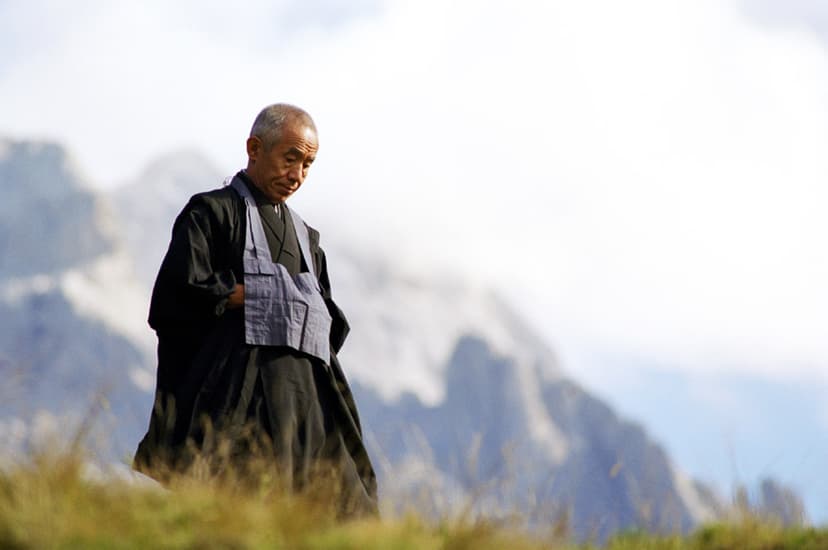
Kōbun Chino Otogawa was an American Sōtō Zen priest who came to the United States from Japan in 1967. He served as an assistant at Tassajara Zen Mountain Center and later founded and led several Zen centers, including Haiku Zen Center (later Bodhi) in Los Altos, California, and Jikoji in the Santa Cruz Mountains. Otogawa was known for his unconventional and accommodating teaching style, emphasizing self-acceptance and finding meaning in practice.
Dainin Katagiri
Jikai Dainin Katagiri was a Sōtō Zen priest and teacher who played a significant role in bringing Zen Buddhism from Japan to the United States. He is best known as the founding abbot of the Minnesota Zen Meditation Center and the founder of Hokyoji Zen Practice Community, establishing these centers during the formative years of Zen in America. Katagiri also served as an interim abbot for the San Francisco Zen Center.