
Fayun
China·Chan (Zen) Buddhism, Yunmen lineage·Male·20th century
Fayun, also known as Fa Yun, (1933–2003) was a respected Chinese Buddhist monk and the thirteenth successor in the Yunmen lineage of the Chan (Zen) school. He is remembered for his compassion and for bringing Chan and Pure Land Buddhism to the United States, where he founded the Grace Gratitude Buddhist Temple in New York City. His passing was marked by the discovery of numerous relics among his cremains, a testament to his advanced spiritual qualities.
Key Facts
- ›Born in Jiangxi province, China, in 1933 with the lay name Yu Heng-sheng.
- ›Entered monastic life at 13, receiving the name Fayun, meaning Dharma Cloud.
- ›Disciple and attendant of the eminent monk Hsu Yun.
- ›Came to the United States in 1969 to teach Chan and Pure Land Buddhism.
- ›Founded the Grace Gratitude Buddhist Temple in New York City in 1974.
- ›Known for his utmost compassion towards all beings.
Important Relationships
- Hsu Yun
- Yunmen Monastery
- Grace Gratitude Buddhist Temple
- World Buddhist Sangha Council
- American Buddhist Confederation
- Jiangxi Province, China
- Yunmen Monastery, Shaoguan, Guangdong Province, China
- New York City, United States
Hsu Yun
Monastic Vows
About Fayun
Fayun (1933–2003), also known by the romanization Fa Yun, was a Chinese Buddhist monk and a thirteenth-generation successor within the Yunmen (Cloud Gate) lineage of the Chan (Zen) school of Chinese Buddhism. His lay name was Yu Heng-sheng.
Early Life and Monkhood
Born in Jiangxi province, China, in 1933, Fayun entered the Buddhist monastic order at the age of thirteen. He received the religious name Fayun, which translates to "Dharma Cloud" or "Cloud of the Buddha's Teachings." He became a disciple of the esteemed Chinese monk Hsu Yun (1840–1959). Fayun also served as one of Hsu Yun's personal attendants, notably during the challenging Yunmen incident in 1951-52, when Hsu Yun and his monks faced persecution by thugs at Yunmen Monastery in Shaoguan, Guangdong province, following the Communist Revolution.
Ministry in the West
In 1969, Fayun was invited to the United States by a Buddhist devotee to impart teachings of Chan Buddhism (Zen Buddhism) and Pure Land Buddhism. In 1974, he established the Grace Gratitude Buddhist Temple (Meiguo Niuyue Fo'en Si) in New York City, which has since become one of the city's oldest Chinese Buddhist temples. From 1985 onward, he acted as a liaison coordinator for the World Buddhist Sangha Council. He also held the position of vice president for the American Buddhist Confederation from 1979 to 2002. Fayun was widely recognized for his profound compassion toward all people and living beings.
Passing and Legacy
Master Fayun passed away on September 25, 2003. Shortly after his cremation, numerous relics (Sarira), described as pellet-sized materials resembling beads or crystals of various colors, were discovered among his cremains. These relics are traditionally found in the ashes of individuals believed to possess significant spiritual attainment. In November 2003, his cremains were returned to Yunmen Monastery in Guangdong province, China, where they, along with some of his relics, were interred in a memorial stupa in 2004.
Source: Wikipedia ↗
Frequently Asked Questions
When and where was Fayun born?
Master Fayun was born in 1933 in Jiangxi province, China. His lay name was Yu Heng-sheng.
What is the meaning of Fayun's religious name?
The religious name Fayun, received upon entering the monastic order, means 'Dharma Cloud' or 'Cloud of the Buddha's Teachings'.
Who was Fayun's teacher?
Fayun was a disciple of the eminent Chinese monk Hsu Yun, and also served as one of his personal attendants.
What significant event did Fayun experience with his teacher Hsu Yun?
Fayun served as an attendant to Hsu Yun during the Yunmen incident in 1951-52, a period when Hsu Yun and his monks were subjected to violence by thugs following the Communist Revolution.
When and why did Fayun come to the United States?
Master Fayun came to the United States in 1969 at the invitation of a Buddhist devotee to teach Chan Buddhism (Zen Buddhism) and Pure Land Buddhism in America.
What temple did Fayun found in the US?
In 1974, Master Fayun founded the Grace Gratitude Buddhist Temple (Meiguo Niuyue Fo'en Si) in New York City, which is now one of the oldest Chinese Buddhist temples in the city.
What happened after Fayun's death?
After Fayun's cremation in 2003, numerous relics, described as pellet-sized materials resembling beads or crystals, were discovered among his cremains. These were later interred in a memorial stupa at Yunmen Monastery in China.
Related Buddhists
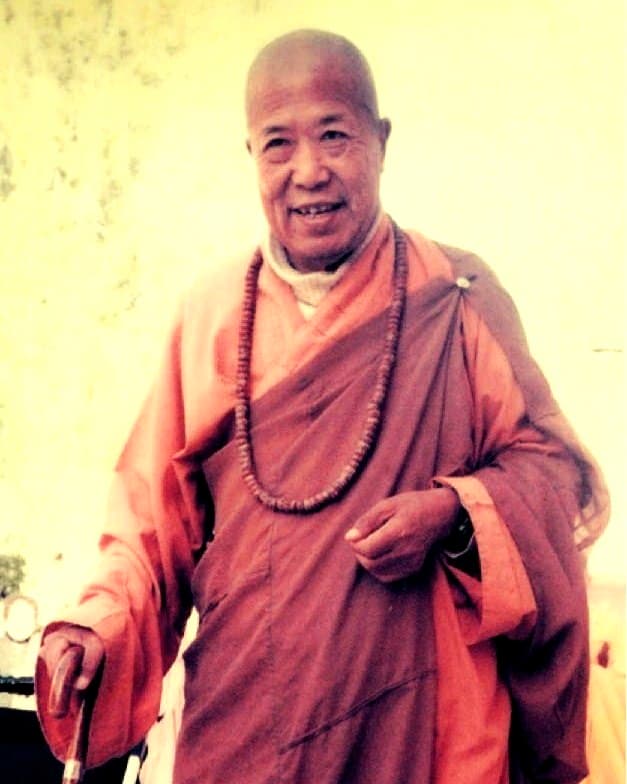
Hsuan Hua
Hsuan Hua was a Chinese Chan Buddhist monk and influential figure in bringing Chinese Buddhism to the United States in the late 20th century. He founded significant institutions such as the Dharma Realm Buddhist Association and the City of Ten Thousand Buddhas, aiming to establish a monastic community and translate Buddhist scriptures into Western languages. His teachings and organizational efforts played a crucial role in the growth of Buddhism in America.

Ingen
Ingen Ryūki was a Chinese poet, calligrapher, and Linji Chan Buddhist monk who founded the Ōbaku school of Zen in Japan. He is credited with introducing the Ming style of calligraphy and the common bean to Japan. His influence led to the establishment of the prominent Ōbaku head temple, Manpuku-ji, in Uji, Kyoto.
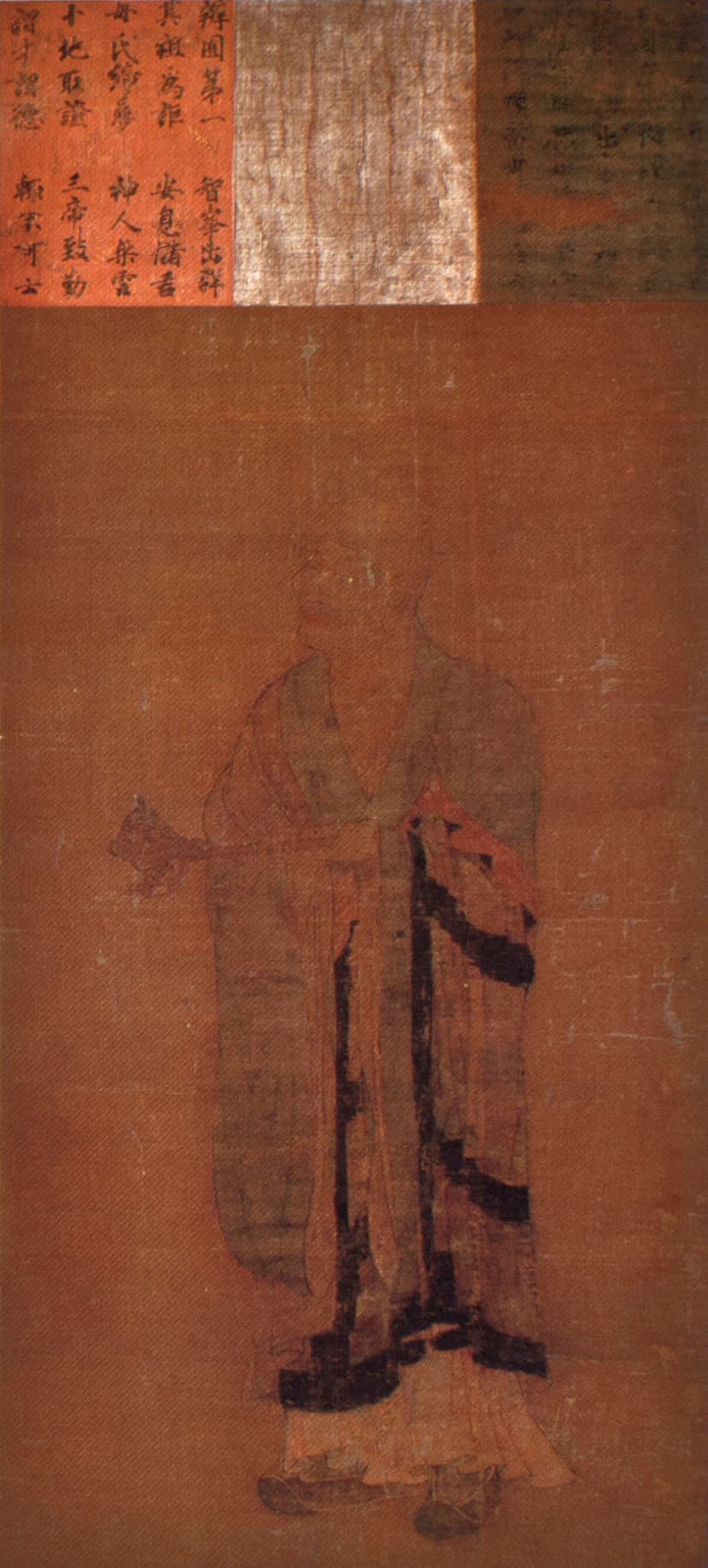
Jizang
Jizang (549–623 CE) was a Persian-Chinese Buddhist monk and scholar widely recognized as the founder of East Asian Mādhyamaka. He lived during a period of political transition in China and developed a nuanced philosophical approach to understanding Buddhist teachings, particularly the Madhyamaka treatises. His extensive writings and lectures significantly shaped the development of Mahayana Buddhism in East Asia.