
Hsuan Hua
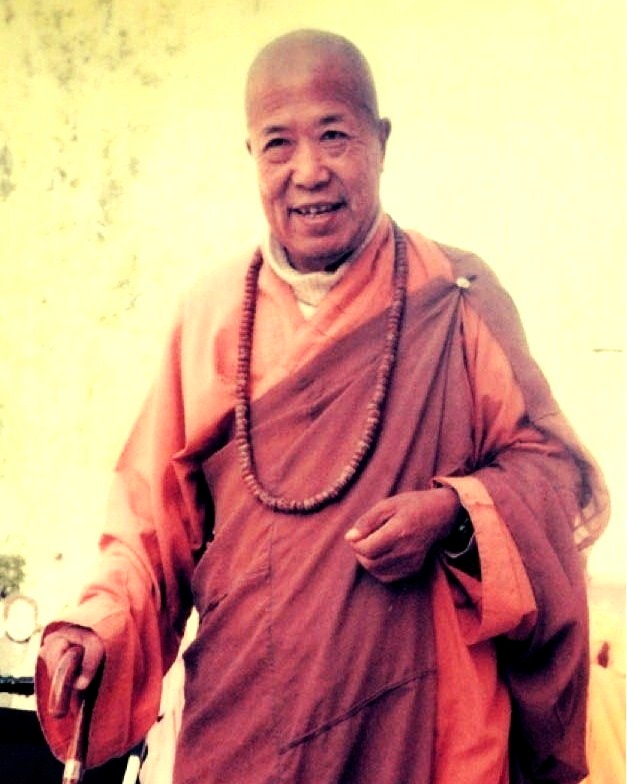
Hsuan Hua was a Chinese Chan Buddhist monk and influential figure in bringing Chinese Buddhism to the United States in the late 20th century. He founded significant institutions such as the Dharma Realm Buddhist Association and the City of Ten Thousand Buddhas, aiming to establish a monastic community and translate Buddhist scriptures into Western languages. His teachings and organizational efforts played a crucial role in the growth of Buddhism in America.
Key Facts
- ›Founded the Dharma Realm Buddhist Association (DRBA) and the City of ten Thousand Buddhas (CTTB) in California.
- ›Established Dharma Realm Buddhist University and the Buddhist Text Translation Society.
- ›Sought to bridge the Theravada and Mahayana traditions of Buddhism.
- ›Lectured extensively on Mahayana sutras and published traditional commentaries in English.
- ›Ordained over two hundred monks and nuns from around the world.
- ›Died in 1995 at the age of 77.
Important Relationships
- Dharma Realm Buddhist Association
- City of Ten Thousand Buddhas
- Buddhist Text Translation Society
- Ajahn Sumedho
- K. Sri Dhammananda
- George H. W. Bush
Commentaries On the Heart Sutra, Commentaries On the Diamond Sutra, Commentaries On the Lotus Sutra, Commentaries On the Amitabha Sutra, Commentaries On the Avatamsaka Sutra, Commentaries On the Shurangama Sutra
United States, San Francisco, Ukiah, California, City of Ten Thousand Buddhas, Hong Kong, Australia
Chinese, English
Monastic Vows
About Hsuan Hua
Hsuan Hua (1918–1995) was a prominent Chinese Chan Buddhist monk who played a pivotal role in introducing Chinese Buddhism to the United States in the latter half of the 20th century. Known to his Western disciples as Master Hua, he was born Bai Yushu (or Bai Yuxi) in Shuangcheng County, China, and displayed a deep spiritual inclination from a young age, practicing filial piety through extensive bowing and following his mother's vegetarianism and recitation of Amitābha's name.
By the age of nineteen, he had become a monastic, taking the Dharma name An Tzu. His early life was marked by rigorous study of Confucian classics and Buddhist sutras, as well as engagement in charitable organizations. He also pursued studies in traditional Chinese medicine, astrology, and other schools of thought, demonstrating a broad intellectual curiosity.
Bringing Buddhism to the West
In 1959, Hsuan Hua began his mission to bring Chinese Buddhism to the West, instructing his disciples in America to establish the Dharma Realm Buddhist Association. He traveled to Australia in 1961 and then to the United States in 1962, with the explicit aim of nurturing a new generation of Buddhist practitioners and leaders. He settled in San Francisco, where he founded a lecture hall, attracting many young Americans interested in meditation and Buddhist teachings. During the Cuban Missile Crisis, he undertook a 35-day fasting period to pray for world peace.
A significant development occurred in 1968 with the Shurangama Study and Practice Summer Session, which led to the first full ordinations of young Americans under his guidance. Hsuan Hua lectured extensively on Mahayana sutras, including the Heart Sutra, Diamond Sutra, Lotus Sutra, Amitabha Sutra, Avatamsaka Sutra, and Shurangama Sutra. He established the Buddhist Text Translation Society in 1970, which has since translated and published numerous Buddhist scriptures and his own commentaries in English and other languages.
Bridging Traditions and Legacy
Hsuan Hua also sought to unite the Theravada and Mahayana traditions, traveling to Southeast Asia in his youth and later advocating for a unified approach to Buddhism. He hosted major Buddhist rituals, such as the Water, Land, and Air Repentance Dharma Assembly, in North America for the first time and worked to bring the complete Chinese Buddhist canon to the United States. His efforts in establishing the City of Ten Thousand Buddhas in Ukiah, California, provided a substantial monastic center for Buddhist practice and education.
Hsuan Hua passed away on June 7, 1995, at the age of 77. His funeral was attended by thousands of followers from around the world, and his ashes were scattered over the City of Ten Thousand Buddhas. His teachings and the institutions he founded continue to be a vital part of Buddhism in the West, with initiatives like Dharma Radio and the Master Hua's Oral History Project ensuring his legacy and teachings remain accessible.
Source: Wikipedia ↗
Frequently Asked Questions
Who was Hsuan Hua?
Hsuan Hua was a Chinese Chan Buddhist monk who was instrumental in establishing Chinese Buddhism in the United States. He is known for founding key Buddhist institutions and for his efforts to translate and disseminate Buddhist teachings in the West.
What institutions did Hsuan Hua found?
Hsuan Hua founded the Dharma Realm Buddhist Association (DRBA), the City of Ten Thousand Buddhas (CTTB) in Ukiah, California, Dharma Realm Buddhist University, and the Buddhist Text Translation Society.
What was Hsuan Hua's goal in coming to the United States?
Hsuan Hua's intent was to 'come to America to create Patriarchs, to create Buddhas, to create Bodhisattvas.' He aimed to bring the true teachings of the Buddha to the West, establish a monastic community, and support the translation of Buddhist texts.
How did Hsuan Hua try to unite Buddhist traditions?
Hsuan Hua advocated for the unity of the Southern (Theravada) and Northern (Mahayana) traditions, stating that both were disciples of the Buddha with the common goal of helping beings achieve enlightenment. He invited monastics from both traditions to jointly conduct ordinations and supported Theravada monasteries.
When and where did Hsuan Hua die?
Hsuan Hua died on June 7, 1995, while visiting Long Beach Sagely Monastery in California. He was 77 years old.
Related Buddhists
Hsu Yun
Hsu Yun (1840?-1959) was a highly influential Chinese Chan Buddhist master known for his extensive teachings, restoration of temples, and enduring spiritual practice throughout the 19th and 20th centuries. Despite facing persecution and imprisonment, he played a significant role in the revival of Buddhism in modern China and was recognized as an honorary chairman of the Chinese Buddhist Association.
Dayi Daoxin
Dayi Daoxin (580–651) was the fourth Chán Buddhist Patriarch, significant for establishing the "East Mountain Teachings" and developing stable monastic communities. His teachings emphasized meditation and integrating practice into daily life, influencing the future development of Chan Buddhism in China.

Dazu Huike
Dazu Huike was the Second Patriarch of Chan Buddhism, succeeding Bodhidharma. He is credited with developing the "sudden awakening" approach to enlightenment and emphasizing meditation as the primary practice. His teachings, possibly based on the Lankavatara Sutra, stressed the realization of innate Buddha-nature.