
Atiśa
Bengal·Kadam School·Male·11th century
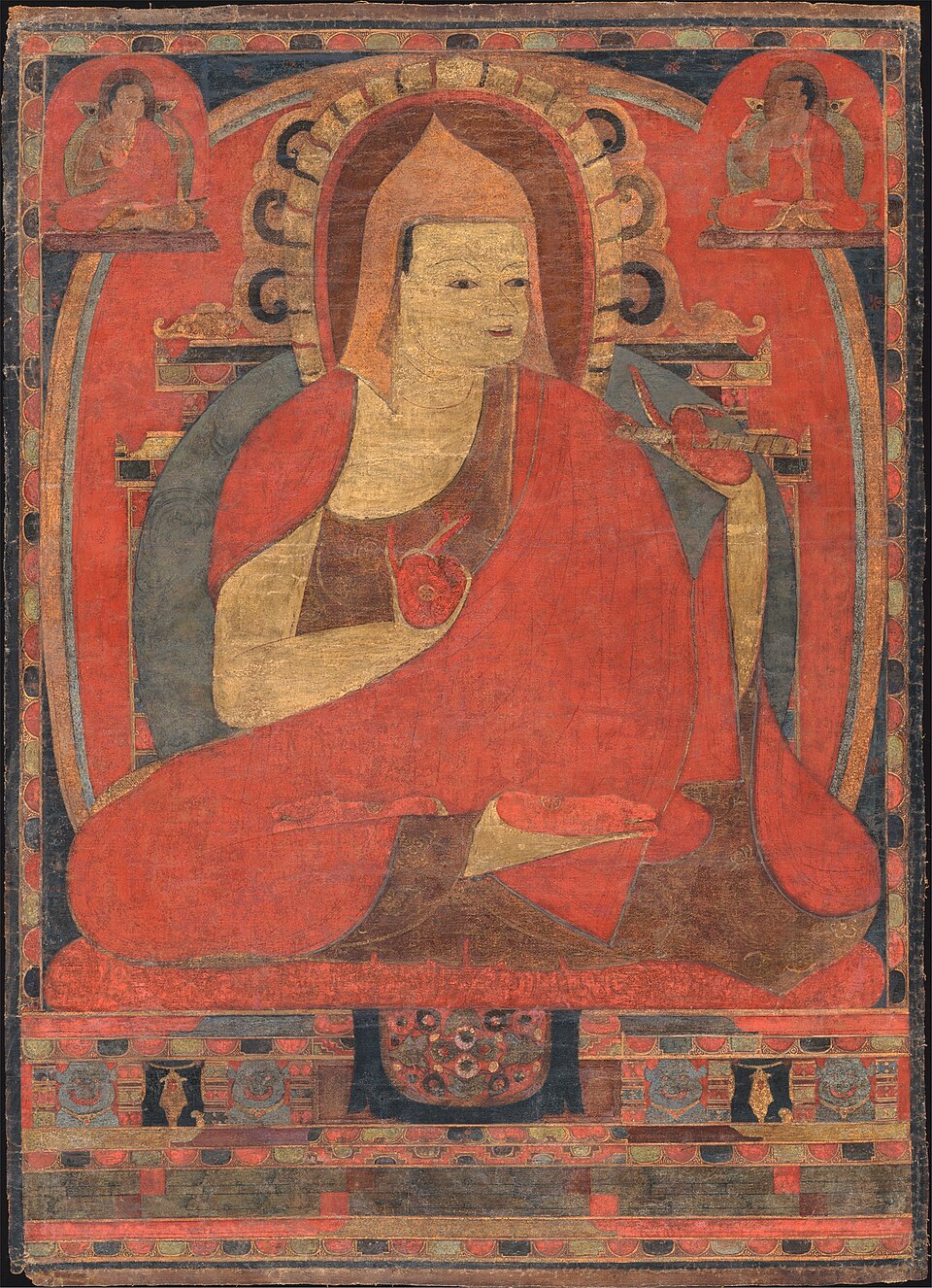
Atiśa Dīpaṃkara Śrījñāna was a prominent Buddhist religious leader and scholar from Bengal in the 11th century CE. He is renowned for his significant role in spreading Mahayana and Vajrayana Buddhism across Asia, particularly in Tibet, and is considered a founder of the Kadam school. His teachings, compiled in works like "Bodhipathapradīpa," laid the groundwork for subsequent Tibetan Buddhist traditions.
Key Facts
- ›Born in Bengal around 982 CE into a royal family.
- ›A key figure in the 11th-century spread of Mahayana and Vajrayana Buddhism in Asia.
- ›Co-founder of the Kadam school of Tibetan Buddhism with his disciple Dromtön.
- ›Authored the influential "Bodhipathapradīpa" (Lamp for the Path to Enlightenment).
- ›Spent significant time teaching in Sumatra and Tibet.
- ›Ranked 18th in the BBC's poll of the greatest Bengalis of all time in 2004.
Important Relationships
- Dromtön (disciple)
- Rāhulaguhyavajra (tutor)
- Avadhūtipā (master)
- Śīlarakṣita (ordaining abbot)
- Ratnakara (abbot of Vikramaśīla)
- Lha bla ma Ye shes 'od (King of Guge)
- Naktso (academic follower)
- Gya Lōtsawa (travel companion)
- Marpa Lōtsawa (met)
BodhipathapradīPa, Bodhipathapradipapanjikanama, Charyasamgrahapradipa, Satyadvayavatara, Bodhisattvamanyavali, Madhyamakaratnapradipa, Mahayanapathasadhanasangraha, Shiksasamuccaya Abhisamya, Prajnaparamitapindarthapradipa, Ekavirasadhana, Vimalaratnalekha
Bengal, VikramaśīLa Monastery, Bihar, Sumatra, Tibet, Guge, Bodh Gaya, Odantapuri, Tolung, Purang Kingdom
AsaṅGa, Vasubandhu, Nagarjuna, CandrakīRti, Tilopa, Naropa, DharmakīRtiśRī
Sanskrit
Ordained Into the MahāSāṃGhika Lineage
About Atiśa
Atiśa Dīpaṃkara Śrījñāna
Atiśa Dīpaṃkara Śrījñāna (c. 982–1054 CE) was a highly influential Buddhist religious teacher and leader originating from Bengal. He is widely recognized for his pivotal role in the dissemination of 11th-century Mahayana and Vajrayana Buddhism across Asia, undertaking significant journeys to Sumatra and Tibet. Atiśa, in collaboration with his principal disciple Dromtön, is credited as the founder of the Kadam school, a foundational lineage within Tibetan Buddhism that later influenced the Gelug tradition.
Life and Historical Context
Born as Candragarbha around 982 CE, Atiśa was the second son of a ruling family in Bengal, likely in the village of Vajrayogini within Vikrampura, a former capital of the Pala Empire. His early life followed the patterns of nobility, including training in various arts. As a young man, he began his deep study of tantra in present-day Rajgir, tutored by the monk Rāhulaguhyavajra, who initiated him into Hevajra and taught him specific meditation practices. He then dedicated seven years to studying yoga and participating in tantric feasts under the master Avadhūtipā.
Tibetan historical accounts state that Atiśa was ordained into the Mahāsāṃghika lineage at the age of twenty-eight in Bodh Gaya and pursued comprehensive studies across Buddhist and non-Buddhist philosophical schools, including Vaishnavism, Shaivism, and Tantric Hinduism. He also mastered sixty-four arts, music, and logic by the age of twenty-two. Among the many Buddhist lineages he engaged with, he transmitted the Lineage of the Profound Action (via Asaṅga and Vasubandhu), the Lineage of Profound View (via Nagarjuna and Candrakīrti), and the Lineage of Profound Experience (via Tilopa and Naropa). During this formative period, Atiśa studied with numerous notable teachers, including Ratnākaraśānti, Naropa, Jitari, and Dharmarakṣita at the monastery of Odantapuri.
Scholarly Career and Travels
Atiśa rose to prominence as a senior scholar at Vikramaśīla Monastery, distinguishing himself through his strict adherence to Mahayana Buddhist ethics. During this time, the King of Guge in Tibet, Lha bla ma Ye shes 'od, began dispatching missions to Vikramaśīla to invite scholars to teach a "pure form of Buddhism" in his homeland. Atiśa eventually departed Vikramaśīla in 1040 CE, with the abbot's permission conditional on his return within three years.
Tibetan sources indicate that Atiśa spent twelve years in Sumatra, a part of the Srivijaya empire, returning to India in 1025 CE. Upon his return, his profound teachings and formidable skills in debate and philosophy garnered significant attention. He was thrice acclaimed for defeating non-Buddhist opponents in debate. When encountering what he perceived as a corrupted or declining form of Buddhism, Atiśa effectively implemented reforms. He was subsequently appointed steward, or abbot, at Vikramaśīla, and is also credited with nurturing Odantapuri Monastery. His return from Suvarnabhumi, where he studied with Dharmakīrtiśrī, and his subsequent rise in India coincided with a flourishing of Buddhist culture, to which Atiśa's influence significantly contributed.
Following a request from the Tibetan King Yeshe-Ö, Atiśa traveled to Tibet with Naktso and Gya Lōtsawa, journeying through Nepal. He spent three years in Tolung, the capital of the Purang Kingdom, where he compiled his most influential work, Bodhipathapradīpa (Lamp for the Path to Enlightenment). This text, structured in sixty-seven verses, delineates the entire Buddhist path across the Hīnayāna, Mahāyāna, and Vajrayāna vehicles, establishing a model for subsequent Lamrim texts, most notably Tsongkhapa's writings.
Legacy
Atiśa's teachings and the Kadam school he co-founded had a lasting impact on the development of Tibetan Buddhism. In 2004, Atiśa was recognized for his historical significance, ranking 18th in the BBC's poll of the greatest Bengalis of all time.
Notable Works
Atiśa authored numerous significant texts, including:
- Bodhipathapradīpa (Lamp for the Path to Enlightenment)
- Bodhipathapradipapanjikanama (his commentary on Bodhipathapradīpa)
- Charyasamgrahapradipa (containing kirtan verses)
- Satyadvayavatara
- Bodhisattvamanyavali
- Madhyamakaratnapradipa
- Mahayanapathasadhanasangraha
- Shiksasamuccaya Abhisamya
- Prajnaparamitapindarthapradipa
- Ekavirasadhana
- Vimalaratnalekha (a Sanskrit letter to Nayapala, king of Gauda)
Source: Wikipedia ↗
Frequently Asked Questions
What was Atiśa's full name and when did he live?
Atiśa's full name was Atiśa Dīpaṃkara Śrījñāna, and he lived from approximately 982 to 1054 CE. He was also known as Candragarbha in his early life.
Where was Atiśa from and where did he teach?
Atiśa was from Bengal and was a senior scholar at Vikramaśīla Monastery in Bihar. He traveled extensively, teaching in Sumatra and Tibet, and is closely associated with the region of Guge in Tibet.
What is Atiśa most known for in Tibetan Buddhism?
Atiśa is most recognized for co-founding the Kadam school with his chief disciple Dromtön. This school's teachings were later absorbed by the Gelug tradition, making Atiśa's influence foundational to a major branch of Tibetan Buddhism.
What are some of Atiśa's most important works?
His most influential work is "Bodhipathapradīpa" (Lamp for the Path to Enlightenment), which outlines the Buddhist path across the three vehicles. Other notable writings include commentaries and texts on various Buddhist practices and philosophies.
What was Atiśa's role in Buddhist scholarship?
Atiśa was a highly respected religious teacher and leader, known for his strict adherence to Mahayana Buddhist ethics and his skill in debate. He studied numerous Buddhist and non-Buddhist schools of thought, contributing to a rich scholarly tradition.
Related Buddhists
Anawrahta
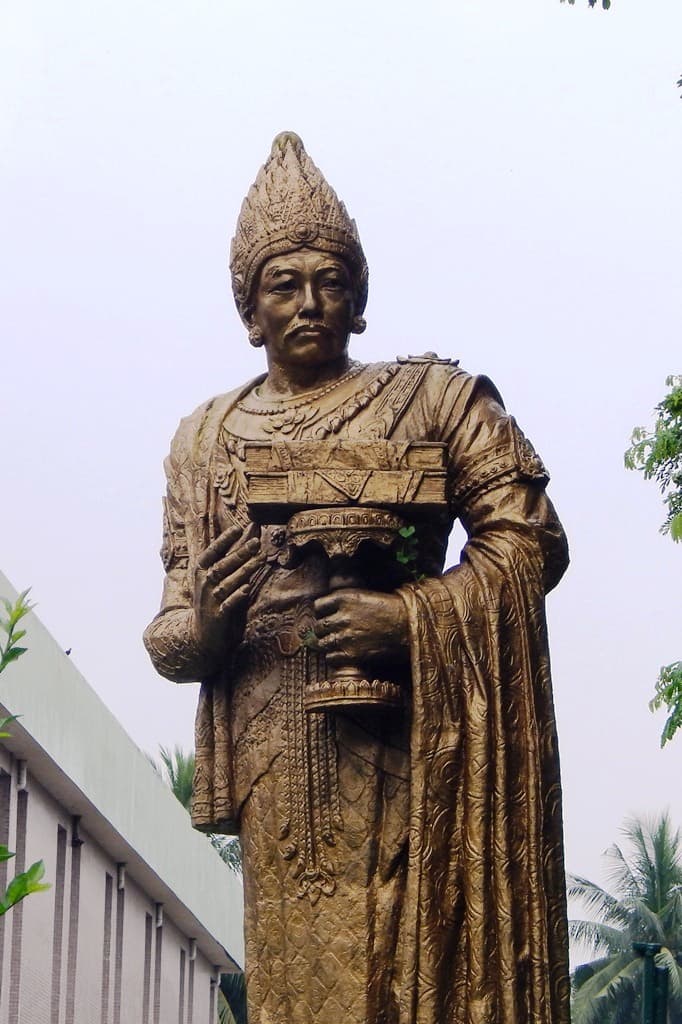
Anawrahta Minsaw was the founder of the Pagan Empire and is considered the father of the Burmese nation. He transformed a small principality into the first Burmese Empire, unifying the Irrawaddy valley and implementing significant social, religious, and economic reforms. His embrace of Theravada Buddhism provided a crucial refuge for the tradition, influencing its spread throughout Southeast Asia.
Jizang
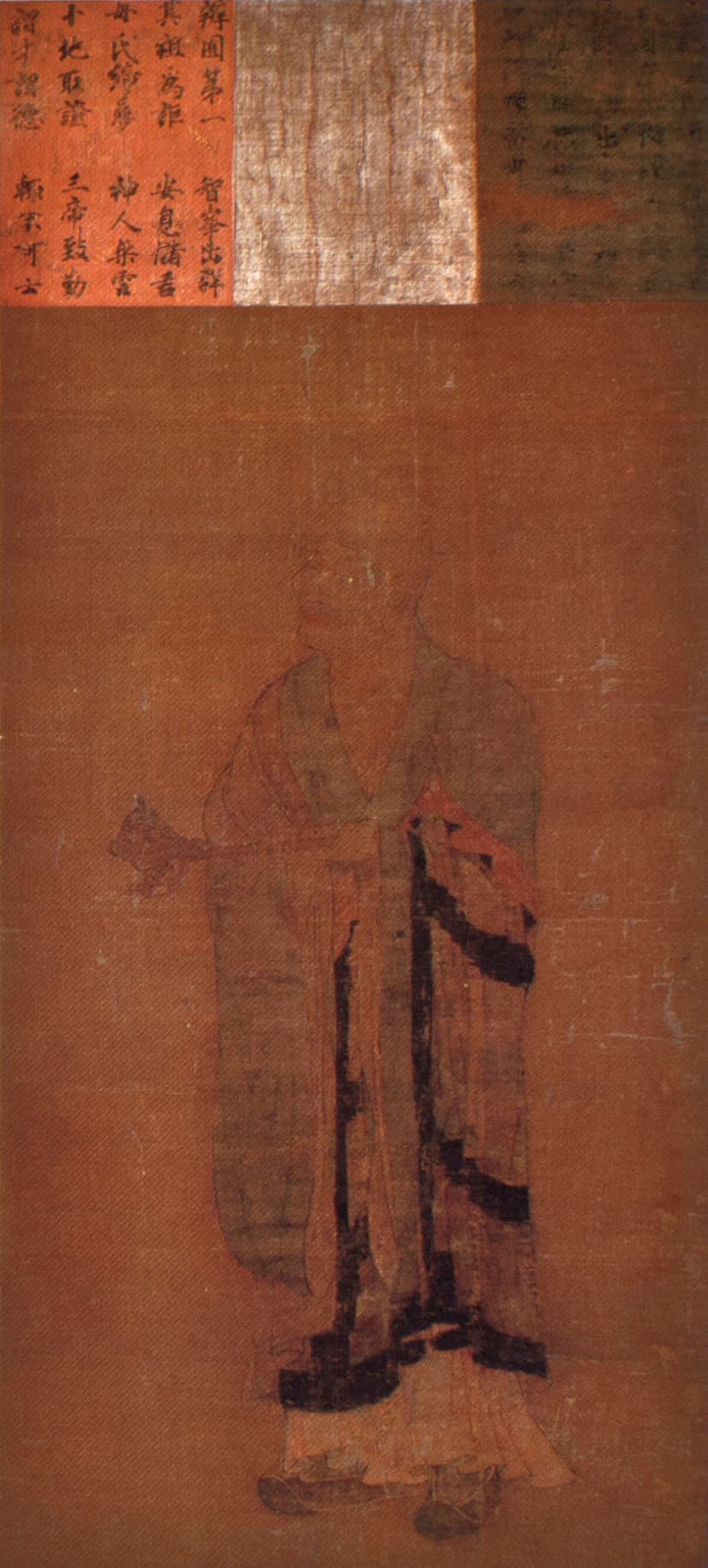
Jizang (549–623 CE) was a Persian-Chinese Buddhist monk and scholar widely recognized as the founder of East Asian Mādhyamaka. He lived during a period of political transition in China and developed a nuanced philosophical approach to understanding Buddhist teachings, particularly the Madhyamaka treatises. His extensive writings and lectures significantly shaped the development of Mahayana Buddhism in East Asia.
Guifeng Zongmi
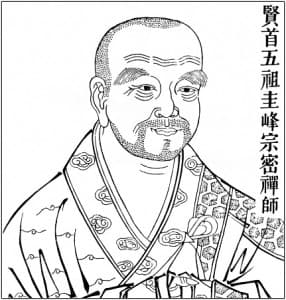
Guifeng Zongmi was a highly influential Tang dynasty Chinese Buddhist monk, scholar, and patriarch of both the Huayan and Chan schools. He is renowned for his efforts to harmonize various Buddhist teachings, particularly Chan and Huayan, with Taoism and Confucianism, aiming to create a comprehensive spiritual vision. His extensive writings serve as a crucial resource for understanding the diverse Chan schools of his era.