
Từ Đàm Temple
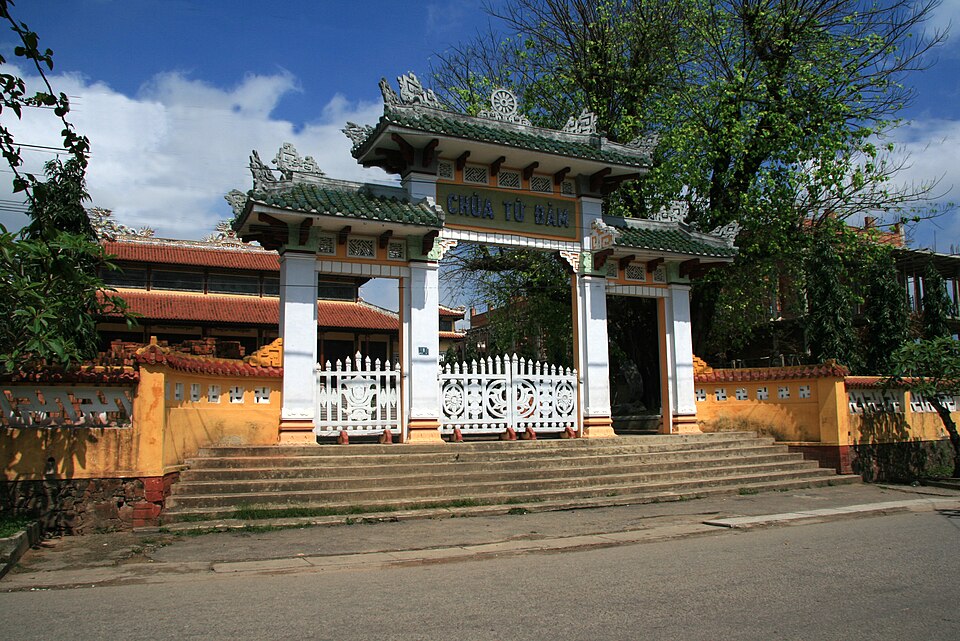
Từ Đàm Temple is a significant Buddhist temple located in Huế, Vietnam, with a rich history dating back to the late 17th century. It has served as a major spiritual center and played a crucial role in the Buddhist movement in central Vietnam, particularly during the Buddhist crisis of 1963.
Key Facts
- ›Founded in the late 17th century under the direction of Thiền master Thích Minh Hoằng.
- ›Renamed Ấn Tôn Temple and later officially recognized by the Nguyễn dynasty.
- ›Was one of the three national temples in Huế during the Nguyễn dynasty era.
- ›A Bodhi tree offshoot from Bodh Gaya was planted in its yard in 1939.
- ›A key organizing point for the Buddhist movement during the 1963 crisis, with its abbot Thích Trí Quang being a central figure.
- ›Suffered damage during the Tet Offensive in 1968, with some of which remaining unrepaired.
Important Relationships
- Thích Minh Hoằng
- Emperor Lê Hy Tông
- Nguyễn Phúc Chu
- Emperor Thiệu Trị
- Thích Thiệt Vinh
- Thích Đạo Trung
- Thích Từ Vân
- Thích Diệu Không
- Suzanne Karpelès
- Thích Tịnh Khiết
- President Ngô Đình Diệm
- Archbishop Pierre Martin Ngô Đình Thục
- Thích Trí Quang
- Ngô Đình Nhu
Bodhi Tree Offshoot From Bodh Gaya, Bronze Statue of Gautama Buddha
- Founding In the Late 17th Century
- Renaming To ấN TôN Temple and Official Recognition By the NguyễN Dynasty
- Planting of A Bodhi Tree Offshoot From Bodh Gaya In 1939
- Meeting of 51 Buddhist Monks To Form A Unified Nationwide Buddhist Organization In 1951
- First Flying of the Internationally Designed Buddhist Flag On Its Grounds In 1951
- Protests and Organization of the Buddhist Movement During the 1963 Crisis
- Raid and Vandalism By Special Forces In 1963
- Heavy Damage During the Tet Offensive In 1968
About Từ Đàm Temple
Từ Đàm Temple, also known as Chùa Từ Đàm, is a historically significant Buddhist temple situated in the Trường An District of Huế, Vietnam. Its origins trace back to the late 17th century, established under the guidance of Thiền master Thích Minh Hoằng during the reign of Emperor Lê Hy Tông. Initially named Ấn Tôn Temple, it received the title "Sắc Tứ Ấn Tôn Tự" from Lord Nguyễn Phúc Chu in 1703. During the unified Nguyễn dynasty, Emperor Thiệu Trị ordered its renaming to avoid conflict with his own name, and it became recognized as one of Huế's three national temples.
Over centuries, Từ Đàm Temple has been a vital spiritual center for Huế and the surrounding central region. It has undergone numerous renovations and expansions, with notable additions including two major bells cast under Thích Từ Vân and a monastery for nuns established by Thích Diệu Không in 1932. A significant cultural exchange occurred in 1939 when Suzanne Karpelès arranged for an offshoot of the Bodhi tree from Bodh Gaya to be planted in the temple's front yard.
Historical Significance and Role in Modern Vietnam
The temple holds profound historical importance, particularly for its role in the Buddhist movements of the 20th century. In 1951, it was the site of a pivotal meeting where 51 prominent monks from across Vietnam convened to form a unified nationwide Buddhist organization, with Thích Tịnh Khiết appointed as its leader. It was also at this gathering that the internationally recognized Buddhist flag was first flown.
During the Buddhist crisis of 1963, Từ Đàm Temple emerged as a central organizing point for widespread protests against the discriminatory policies of President Ngô Đình Diệm. The temple's abbot, Thích Trí Quang, was a leading figure in this movement. The temple became a site of protests and hunger strikes, and tragically, faced a violent raid by Ngô Đình Nhu's Special Forces on August 21, 1963. Government soldiers vandalized the pagoda, destroyed a statue of Gautama Buddha, and caused significant damage, leading to casualties among the defenders.
Later Years and Current Status
Further damage occurred in 1968 when the temple was heavily affected during the Tet Offensive of the Vietnam War, with some of this damage still unrepaired. Despite these historical adversities, Từ Đàm Temple continues to function as an active Buddhist center, serving as the provincial headquarters for the Buddhist Association and remaining inhabited by monks. A bronze statue of Gautama Buddha was cast in 1966 to replace the one destroyed during the earlier regime's attacks.
Source: Wikipedia ↗
Frequently Asked Questions
When was Từ Đàm Temple founded?
The temple was built and opened in the late 17th century, during the rule of Emperor Lê Hy Tông and under the direction of Thiền master Thích Minh Hoằng.
What was the historical significance of Từ Đàm Temple during the Buddhist crisis of 1963?
Từ Đàm Temple was a major organizing point for the Buddhist movement protesting against the discriminatory policies of President Ngô Đình Diệm. Its abbot, Thích Trí Quang, was a leading figure in this movement.
Has the temple undergone renovations and expansions?
Yes, over the years, Từ Đàm Temple has been renovated and expanded many times under the direction of various abbots and monks. The main ceremonial hall was rebuilt during a period when the Association of Buddhist Studies of central Vietnam was based there.
What happened to the temple during the 1963 Buddhist crisis?
During the 1963 crisis, government forces raided and vandalized Buddhist temples, including Từ Đàm. Troops fired upon protesters, demolished a statue of Gautama Buddha, looted the pagoda, and set off an explosion that leveled much of the structure.
What is the current status of Từ Đàm Temple?
The temple is still inhabited by monks and serves as the provincial headquarters of the Buddhist Association. It sustained damage during the Tet Offensive, some of which remains unrepaired.
Related Buddhist Temples

Báo Quốc Temple
Báo Quốc Temple is a significant Buddhist temple located in the historic city of Huế, Vietnam. It served as one of the city's three national temples during the Nguyễn dynasty and has a history of royal patronage and continuous renovation. The temple is notable for its role in Buddhist education and monastic training, housing important relics and architectural features.
Thiên Mụ Temple
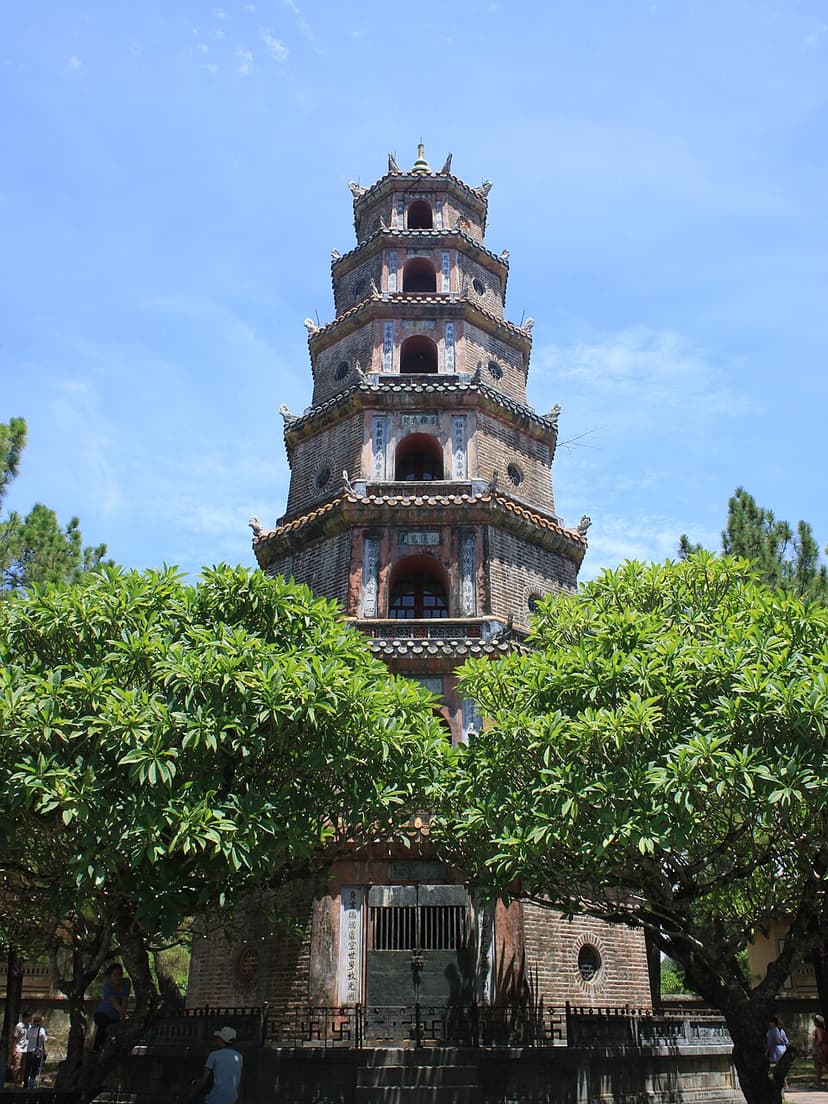
Thiên Mụ Temple, meaning "Temple of the Celestial Lady," is a historic Buddhist temple located in Huế, Vietnam. It is renowned for its iconic seven-story Phước Duyên pagoda, which has become an unofficial symbol of the city and a frequent subject in local folk poetry. The temple holds significant historical and religious importance, having been a center for Buddhist protests and a patronized site by Vietnamese royalty.

Quốc n Temple
Quốc n Temple is a significant Buddhist temple located in Huế, central Vietnam, founded by Zen Master Thích Nguyên Thiều. It holds importance as the seat of a Buddhist patriarch lineage and has a history of royal patronage and renovations by the Nguyễn dynasty.