
Kelaniya Raja Maha Vihara
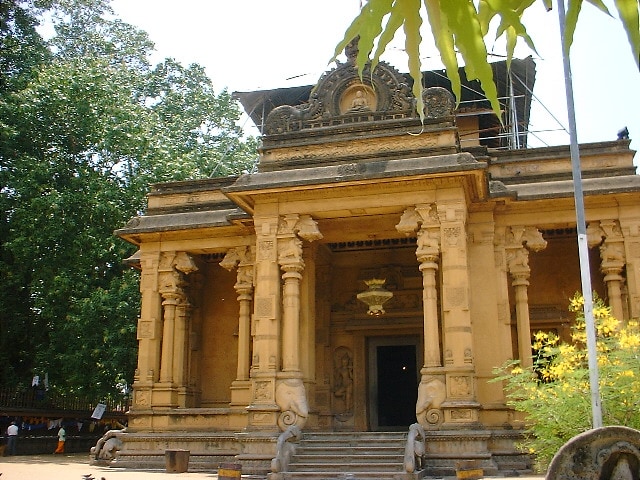
The Kelaniya Raja Maha Vihara, located in Kelaniya, Sri Lanka, is a significant Buddhist temple believed to have been hallowed by the Buddha himself during his third visit to the island. It holds deep historical and political importance, with a popular saying linking its fortunes to those of the nation. The temple is a vital religious center and a frequent destination for pilgrims and politicians alike.
Key Facts
- ›Believed to have been visited by the Buddha eight years after his enlightenment, dating its history to before 500 BCE.
- ›The original Stupa is recorded in the Mahawansa to have enshrined a gem-studded throne on which the Buddha sat and preached.
- ›The temple experienced periods of decline, particularly during Portuguese rule, but was rebuilt and patronized by King Kirthi Sri Rajasingha.
- ›Refurbished in the early 20th century with the assistance of Helena Wijewardene.
- ›Features paintings by Solias Mendis depicting scenes from the Buddha's life and Buddhist history in Sri Lanka.
- ›Hosts the Duruthu Maha Perahera procession annually in January.
Important Relationships
- Buddha
- Mahawansa
- King Kirthi Sri Rajasingha
- Helena Wijewardene
- Solias Mendis
- Bodhisattva Avalokitesvara
- Chulodara (Naga King)
- Mahodara (Naga King)
- Maniakkika (Naga King)
Gem-Studded Throne, Paintings By Solias Mendis, Reclining Gautama Buddha Image, Stone Statue of Bodhisattva Avalokitesvara
- Buddha's Third and Final Visit To Sri Lanka
- Settlement of Dispute Between Naga Kings Over A Gem-Studded Throne
- Construction of the Original Cetiya By King Maniakkika
- Portuguese Confiscation of Land
- Rebuilding Under the Patronage of King Kirthi Sri Rajasingha
- Refurbishment In the First Half of the 20th Century
- Duruthu Maha Perahera Procession
About Kelaniya Raja Maha Vihara
The Kelaniya Raja Maha Vihara, situated in Kelaniya, Sri Lanka, is a prominent Buddhist temple with a history deeply rooted in the island's religious and political narrative. Buddhist tradition posits that the temple was consecrated during the third and final visit of the Buddha to Sri Lanka, approximately eight years after his enlightenment, thereby dating its origins to before 500 BCE. The Mahawansa, a significant historical chronicle, records that the original Stupa at Kelaniya housed a gem-studded throne upon which the Buddha delivered sermons.
History and Significance
The temple has historically been associated with the fortunes of Sri Lanka, with a popular saying suggesting that the nation's prosperity is linked to the temple's well-being. This deep connection has made it a frequent destination for politicians from both government and opposition parties. While the temple flourished during the Kotte era, it faced challenges, including land confiscation during Portuguese rule. However, it experienced a revival under the Dutch empire with new land grants and significant rebuilding under the patronage of King Kirthi Sri Rajasingha. Further restoration occurred in the early 20th century with the assistance of Helena Wijewardene.
The temple's significance is further highlighted by its association with the Buddha's second visit to Sri Lanka, where he is said to have settled a dispute between two Naga Kings, Chulodara and Mahodara, over a gem-studded throne. After listening to the Buddha's sermons, the Naga kings offered the throne to him. King Maniakkika, the ruler of Kelaniya, who also heard the Dharma, requested a relic for worship. The Buddha then gifted him the throne, which King Maniakkika enshrined in a Cetiya (Stupa) at Kelaniya. It was during the Buddha's third visit that he, along with 500 Arahats, visited Kelaniya and preached Dhamma on Wesak Poya Day.
Notable Features
The Kelaniya Raja Maha Vihara is renowned for several artistic and religious features. It is known for its image of the reclining Gautama Buddha and for the distinctive paintings by the native artist Solias Mendis. These murals vividly depict critical events in the life of the Buddha, significant moments in the history of Buddhism in Sri Lanka, and narratives from the Jataka tales. The temple also hosts the annual Duruthu Maha Perahera procession each January, a major cultural and religious event. More recently, a substantial 5.5-meter (18 ft) stone statue of the Bodhisattva Avalokitesvara has been erected within the temple premises.
Source: Wikipedia ↗
Frequently Asked Questions
When was the Kelaniya Raja Maha Vihara founded?
According to Buddhist tradition, the temple was hallowed by the Buddha during his third visit to Sri Lanka, which occurred eight years after his enlightenment. This places its origins before 500 BCE. Historical records suggest it flourished during the Kotte era.
What is the historical significance of the Kelaniya Raja Maha Vihara?
The temple is deeply intertwined with the history and political landscape of Sri Lanka. A popular saying associates its rise and fall with that of the nation, leading to frequent visits from politicians. It is believed to have been a site visited by the Buddha himself.
What are the main attractions at the Kelaniya Raja Maha Vihara?
Key attractions include the Kelaniya Stupa, which is said to enshrine a gem-studded throne gifted by the Buddha. The temple also features notable paintings by Solias Mendis and an image of the reclining Gautama Buddha, as well as a stone statue of the Bodhisattva Avalokitesvara.
What is the Duruthu Maha Perahera?
The Duruthu Maha Perahera is a significant religious procession held annually at the Kelaniya Raja Maha Vihara in January. It commemorates the Buddha's visit to the area and draws large crowds.
Related Buddhist Temples
Paw Daw Mu Pagoda
Paw Daw Mu Pagoda is the largest Buddhist pagoda in Myeik, located in the Tanintharyi Region of Myanmar. Renowned as a significant tourist attraction, its origins are traditionally believed to date back to the 6th century BC, purportedly housing relics of the Buddha. The pagoda has undergone numerous restorations throughout its long history, with a notable reformation by King Alaungpaya in 1931.
Aluvihare Rock Temple
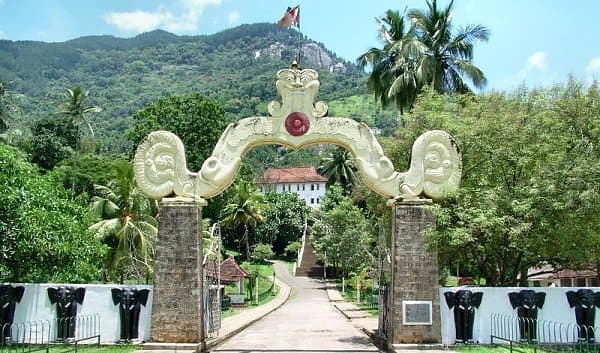
The Aluvihare Rock Temple, also known as Matale Alu Viharaya, is a significant Buddhist temple in Sri Lanka's Matale District. It holds historical importance as the site where the Pāli Canon was first transcribed onto palm leaves, preserving Buddhist scriptures during times of upheaval. The temple complex features numerous monastery caves, some adorned with ancient inscriptions, frescoes, and Buddha statues, making it a place of both historical preservation and religious devotion.
Asgiri Maha Viharaya
Asgiri Maha Viharaya, also known as Asgiriya Temple, is a significant Buddhist monastery in Kandy, Sri Lanka. It serves as the headquarters for the Asgiriya Chapter of the Siyam Nikaya, one of the two monastic orders responsible for the custodianship of the sacred Tooth Relic of the Buddha housed in the Temple of the Tooth (Sri Dalada Maligawa). The monastery plays a crucial role in the administration and religious life of Sri Lankan Buddhism.