
Paw Daw Mu Pagoda
Paw Daw Mu Pagoda is the largest Buddhist pagoda in Myeik, located in the Tanintharyi Region of Myanmar. Renowned as a significant tourist attraction, its origins are traditionally believed to date back to the 6th century BC, purportedly housing relics of the Buddha. The pagoda has undergone numerous restorations throughout its long history, with a notable reformation by King Alaungpaya in 1931.
Key Facts
- ›Located in Myeik, Tanintharyi Region, Myanmar.
- ›Considered the largest pagoda in Myeik.
- ›Traditionally said to contain relics of the Buddha.
- ›Original stupa is believed to have been built in the 6th century BC.
- ›King Alaungpaya reformed the pagoda's ruins in 1931.
- ›Features a tradition known as 'aung myay nin chin' for making wishes.
Important Relationships
- King Alaungpaya
Relics of the Buddha, Largest Pagoda In Myeik
Original Stupa Built, King Alaungpaya Reformed Ruins, Numerous Restorations Since Founding
About Paw Daw Mu Pagoda
Paw Daw Mu Pagoda is a prominent Buddhist religious structure situated in Myeik, within the Tanintharyi Region of Myanmar. It holds the distinction of being the largest pagoda in Myeik and is recognized as a significant tourist attraction.
Historical Origins and Development
The origins of Paw Daw Mu Pagoda are deeply rooted in tradition, with accounts suggesting that the original stupa was constructed during the 6th century BC. It is believed that the pagoda enshrines relics of the Buddha himself. Over centuries, the pagoda has undergone numerous renovations and restorations. A notable period of reform occurred in 1931 when King Alaungpaya discovered the ruins of the pagoda in a forest setting and initiated its reconstruction.
Religious Practices and Significance
A unique local custom practiced at Paw Daw Mu Pagoda is known as 'aung myay nin chin'. This involves visitors lightly stamping on the pagoda's grounds while making a wish, a practice believed to bring good fortune. Its purported possession of Buddha's relics and its historical depth make it a site of considerable religious importance and a destination for pilgrims and tourists alike.
Source: Wikipedia ↗
Frequently Asked Questions
Where is Paw Daw Mu Pagoda located?
Paw Daw Mu Pagoda is situated in Myeik, within the Tanintharyi Region of Myanmar. It is recognized as the largest pagoda in the Myeik area.
What is the historical significance of Paw Daw Mu Pagoda?
Tradition holds that the original stupa was constructed in the 6th century BC and contains relics of the Buddha. The pagoda has a history of restorations, including a significant reformation by King Alaungpaya in 1931.
What is the 'aung myay nin chin' tradition?
'Aung myay nin chin' is a local custom associated with Paw Daw Mu Pagoda where visitors lightly stamp on its grounds and make a wish. This practice is believed to bring good fortune.
Is Paw Daw Mu Pagoda a popular tourist destination?
Yes, Paw Daw Mu Pagoda is a popular tourist attraction due to its size, historical claims, and religious significance within Myeik.
Related Buddhist Temples
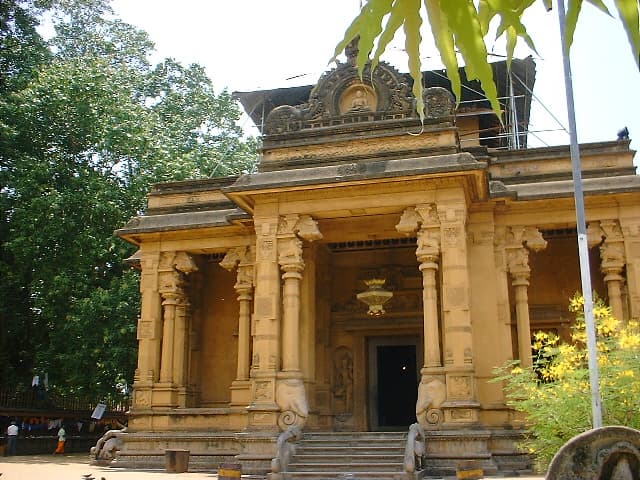
Kelaniya Raja Maha Vihara
The Kelaniya Raja Maha Vihara, located in Kelaniya, Sri Lanka, is a significant Buddhist temple believed to have been hallowed by the Buddha himself during his third visit to the island. It holds deep historical and political importance, with a popular saying linking its fortunes to those of the nation. The temple is a vital religious center and a frequent destination for pilgrims and politicians alike.

Alodawpyi Pagoda
The Alodawpyi Pagoda, also known as Alo-daw Pyi or Alodawpyay Pagoda, is a significant Buddhist temple located in Bagan, Myanmar. Constructed in the early 12th century, it is recognized for its ancient architecture and surviving fresco paintings. The pagoda's name translates to "Wish-fulfilling," and it serves as a popular pilgrimage destination.

Bawgyo Pagoda
Bawgyo Pagoda is a significant Buddhist temple located in Hsipaw, Myanmar, constructed in the 12th century. It is particularly renowned for the annual Buddhist festival held every March, which commemorates its founding and draws many devotees.