
Alodawpyi Pagoda
Pagoda·Myanmar·12th century
The Alodawpyi Pagoda, also known as Alo-daw Pyi or Alodawpyay Pagoda, is a significant Buddhist temple located in Bagan, Myanmar. Constructed in the early 12th century, it is recognized for its ancient architecture and surviving fresco paintings. The pagoda's name translates to "Wish-fulfilling," and it serves as a popular pilgrimage destination.
Key Facts
- ›Built in the early 12th century.
- ›Features old structural elements and numerous fresco paintings.
- ›Its name translates to "Wish-fulfilling."
- ›Has undergone restorative efforts since 1994, funded by donations.
- ›Is a popular pilgrimage site in Bagan, Myanmar.

Important Relationships
- General Khin Nyunt
Old Structure, Fresco Paintings
Restorative Efforts Since 1994
About Alodawpyi Pagoda
The Alodawpyi Pagoda, also referred to as Alo-daw Pyi or Alodawpyay Pagoda, is a revered Buddhist temple situated in Bagan, within the Mandalay Region of Myanmar. Its construction dates back to the early 12th century, making it a venerable site with a long history.
Historical Significance and Features
This ancient temple is particularly distinguished by its old structural elements and a collection of well-preserved fresco paintings. These artworks offer valuable insights into the artistic traditions and religious devotion prevalent during the Bagan period. The name "Alodawpyi" itself carries profound meaning, translating to "Wish-fulfilling," which imbues the site with a sense of spiritual importance and hope for devotees.
Restoration and Pilgrimage
Since 1994, the Alodawpyi Pagoda has been the focus of significant restorative efforts. These preservation initiatives have been made possible through generous donations, notably from General Khin Nyunt. Today, the pagoda stands as a popular pilgrimage site, drawing visitors who seek spiritual solace and connection at this historically rich location.
Source: Wikipedia ↗
Frequently Asked Questions
What is the meaning of the Alodawpyi Pagoda's name?
The name "Alodawpyi" translates to "Wish-fulfilling." This name suggests a spiritual significance associated with the pagoda, implying it is a place where devotees' wishes may be granted.
When was the Alodawpyi Pagoda built?
The Alodawpyi Pagoda was constructed in the early 12th century. This places its origins within the historical period of the Bagan Kingdom, a significant era for Buddhist temple construction in the region.
What are the notable features of the Alodawpyi Pagoda?
The pagoda is notable for its ancient structural design, reflecting early 12th-century architecture. It also preserves a number of fresco paintings, offering insights into the art and religious practices of its time.
Has the Alodawpyi Pagoda undergone any restoration?
Yes, the Alodawpyi Pagoda has been the subject of restorative efforts since 1994. These efforts have been made possible through donations, particularly those provided by General Khin Nyunt.
Is the Alodawpyi Pagoda a popular tourist destination?
The Alodawpyi Pagoda is a popular pilgrimage site. Its historical significance and the spiritual connotations of its name draw many visitors.
Related Buddhist Temples
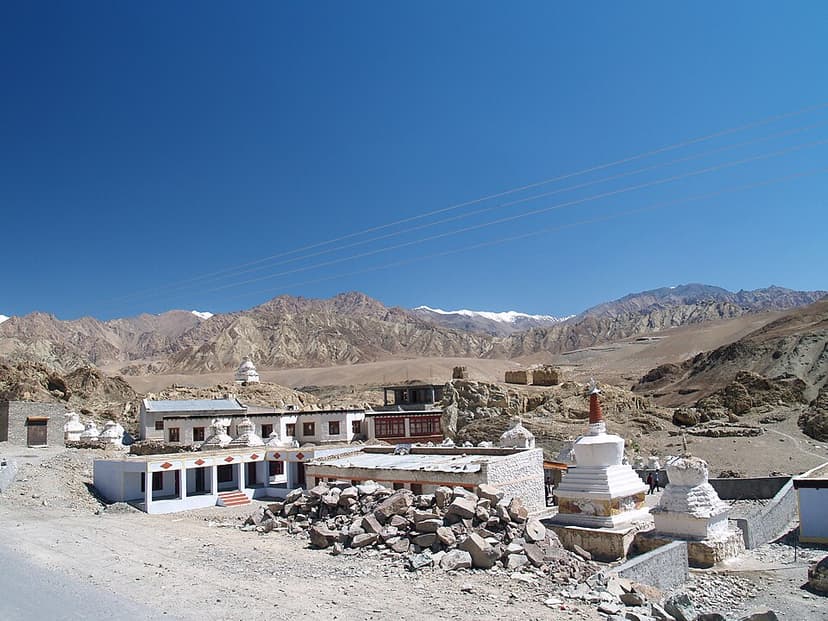
Alchi Monastery
Alchi Monastery is a significant monastic complex located in the Leh District of Ladakh, India, comprising four ancient temples known for their unique artistic style that blends Tibetan and Kashmiri influences. Established between the early 12th and early 13th centuries, it is renowned for its well-preserved wall paintings, wood carvings, and statues, which are among the oldest surviving in Ladakh and reflect both Buddhist and Hindu artistic traditions of the period.

Ajanta Caves
The Ajanta Caves are a series of approximately 30 rock-cut Buddhist cave monuments located in Maharashtra, India, dating from the 2nd century BCE to about 480 CE. Universally recognized as masterpieces of Buddhist religious art, they feature exquisite paintings and sculptures that are among the finest surviving examples of ancient Indian art, particularly noted for their expressive depiction of emotions. These caves served as monasteries and worship halls, offering a monsoon retreat for monks and a resting place for travelers, and are now a UNESCO World Heritage Site.
Abhayagiriya
Abhayagiriya Vihāra was a prominent Buddhist monastic complex and a royal capital in Anuradhapura, Sri Lanka, historically serving as a major center for Theravada, Mahayana, and Vajrayana Buddhism. It was a significant religious and educational institution, attracting scholars from afar and playing a crucial role in the spread of Buddhism internationally, making it a vital pilgrimage site.