
Ajanta Caves
Cave Complex·India·2nd century BC·Mahayana
The Ajanta Caves are a series of approximately 30 rock-cut Buddhist cave monuments located in Maharashtra, India, dating from the 2nd century BCE to about 480 CE. Universally recognized as masterpieces of Buddhist religious art, they feature exquisite paintings and sculptures that are among the finest surviving examples of ancient Indian art, particularly noted for their expressive depiction of emotions. These caves served as monasteries and worship halls, offering a monsoon retreat for monks and a resting place for travelers, and are now a UNESCO World Heritage Site.
Key Facts
- ›Comprise 30 rock-cut Buddhist cave monuments carved into a cliff face.
- ›Construction occurred in two distinct phases: the first from the 2nd century BCE to 1st century CE, and the second from around 400 to 650 CE (or more precisely 460-480 CE).
- ›Include ancient monasteries (Viharas) and worship-halls (Chaityas).
- ›Feature surviving ancient Indian wall-paintings, predominantly depicting Jataka tales (stories of the Buddha's past lives).
- ›Were rediscovered in 1819 by Colonel John Smith and are now a UNESCO World Heritage Site.
- ›Represent a significant corpus of ancient Indian art, especially for their expressive mural paintings.

Important Relationships
- Satavahana dynasty
- Vakataka dynasty
- Harishena (Emperor)
- Faxian (Chinese pilgrim)
- Xuanzang (Chinese traveler)
- Abu al-Fazl (author of Ain-i-Akbari)
- Colonel John Smith (rediscoverer)
- Walter M. Spink (scholar)
Rock-Cut Architecture, Mural Paintings, Sculptures, Viharas, Chaityas, Stupas
Construction of First Phase Caves, Construction of Second Phase Caves, Rediscovery By Colonel John Smith, Designation As A Unesco World Heritage Site
Rock-Cut, Gupta Period Influences
About Ajanta Caves
The Ajanta Caves stand as a monumental testament to ancient Indian Buddhist art and architecture, comprising approximately 30 rock-cut cave monuments carved into a horseshoe-shaped gorge in Maharashtra, India. Dating from the 2nd century BCE to about 480 CE, these caves are universally acclaimed as masterpieces of Buddhist religious art. They encompass both Viharas (monasteries) and Chaityas (worship halls), serving as monastic residences and places of spiritual practice.
History and Construction
The construction of the Ajanta Caves unfolded in two distinct periods. The earliest group of caves, including numbers 9, 10, 12, 13, and 15A, dates from the 2nd century BCE to the 1st century CE, likely under the patronage of the Satavahana dynasty. These early caves primarily feature stupas and lack figurative sculpture. Following a considerable dormant period, the second and more elaborate phase of construction began in the 5th century CE. Later scholarship, notably by Walter M. Spink, suggests that much of this work was concentrated in a brief period between 460 and 480 CE, during the reign of Emperor Harishena of the Vakataka dynasty. This later period is attributed to the Mahāyāna tradition of Buddhism and is characterized by the creation of highly ornate caves with shrines.
Artistic Significance
The Ajanta Caves are particularly renowned for their surviving mural paintings, which are considered among the finest examples of ancient Indian art. These vibrant frescoes predominantly narrate the Jataka tales, illustrating the past lives and rebirths of the Buddha with remarkable expressiveness, capturing emotions through gesture, pose, and form. The paintings in caves 1, 2, 16, and 17 constitute the largest surviving collection of ancient Indian wall-paintings. The artistic style reflects the classical period of Indian art, showcasing luxurious detail, sensuousness, and a confident mastery of technique.
Rediscovery and Preservation
Though known to locals, the Ajanta Caves were lost to the wider world and concealed by dense jungle until 1819, when they were accidentally rediscovered by Colonel John Smith during a tiger hunt. Following their rediscovery, extensive efforts were made to document and preserve the site. The caves were designated a UNESCO World Heritage Site in 1983, recognizing their immense cultural and artistic importance. Today, they are a major tourist destination, drawing visitors keen to witness this extraordinary legacy of ancient Buddhist art and devotion.
Source: Wikipedia ↗
Frequently Asked Questions
What are the Ajanta Caves?
The Ajanta Caves are a collection of about 30 rock-cut Buddhist cave monuments in Maharashtra, India. They are renowned for their ancient Indian art, particularly their surviving mural paintings and sculptures, dating from the 2nd century BCE to around 480 CE.
When were the Ajanta Caves built?
Construction at the Ajanta Caves took place in two main phases. The first phase began around the 2nd century BCE and continued into the 1st century CE. The second, more extensive phase, is believed by some scholars to have occurred very quickly between 460 and 480 CE, with others suggesting a broader period from the 5th to 7th centuries CE.
What is depicted in the Ajanta Caves' paintings?
The paintings in the Ajanta Caves predominantly illustrate the Jataka tales, which are Buddhist narratives recounting the previous lives and rebirths of the Buddha. These stories often embed ancient morals and cultural lore, showing the Buddha in various animal and human forms.
What is the significance of the Ajanta Caves?
The Ajanta Caves are considered masterpieces of Buddhist religious art and are among the finest surviving examples of ancient Indian art. They showcase exceptional skill in painting and sculpture, offering insights into Buddhist beliefs, practices, and daily life during ancient times. They are also a UNESCO World Heritage Site.
How were the Ajanta Caves rediscovered?
The Ajanta Caves were essentially lost to the public and overgrown by jungle until 1819. They were accidentally rediscovered by Colonel John Smith, a British officer hunting tigers, who was guided to the site by a local shepherd boy.
What types of structures are found within the Ajanta Caves?
The Ajanta Caves contain two main types of structures: Viharas, which are monasteries or residential halls for monks, often with cells for sleeping; and Chaityas, which are worship halls or prayer halls, typically featuring a stupa.
Related Buddhist Temples
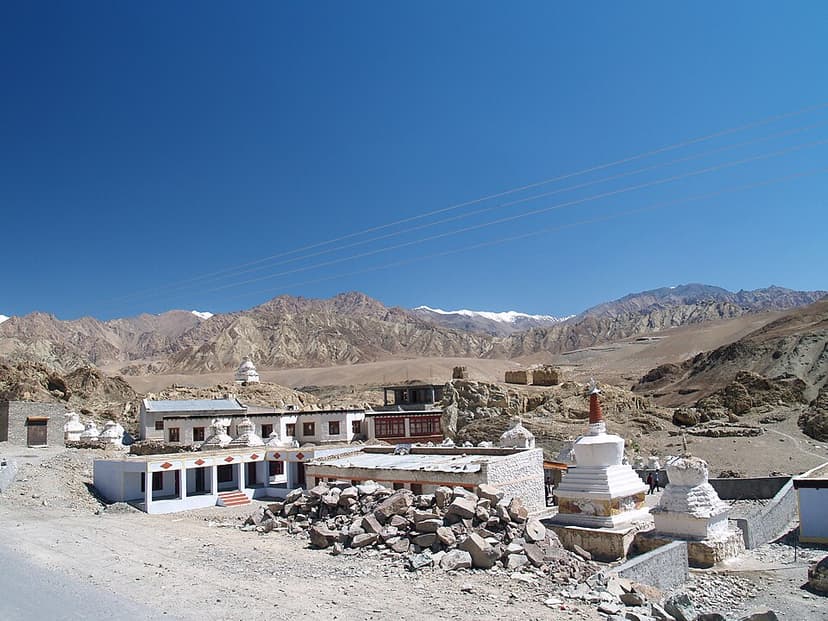
Alchi Monastery
Alchi Monastery is a significant monastic complex located in the Leh District of Ladakh, India, comprising four ancient temples known for their unique artistic style that blends Tibetan and Kashmiri influences. Established between the early 12th and early 13th centuries, it is renowned for its well-preserved wall paintings, wood carvings, and statues, which are among the oldest surviving in Ladakh and reflect both Buddhist and Hindu artistic traditions of the period.
Abhayagiriya
Abhayagiriya Vihāra was a prominent Buddhist monastic complex and a royal capital in Anuradhapura, Sri Lanka, historically serving as a major center for Theravada, Mahayana, and Vajrayana Buddhism. It was a significant religious and educational institution, attracting scholars from afar and playing a crucial role in the spread of Buddhism internationally, making it a vital pilgrimage site.
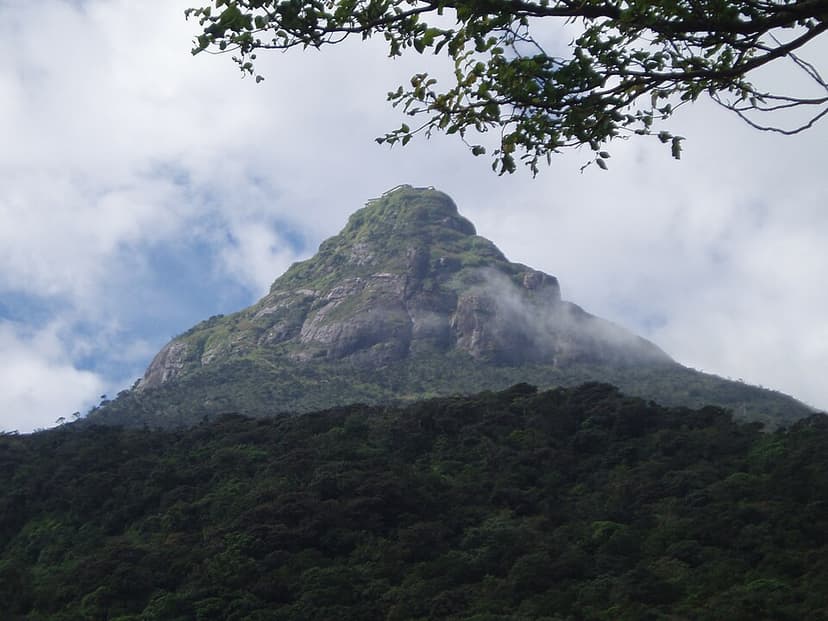
Adam's Peak
Adam's Peak, also known as Sri Pada or Samanalakanda, is a sacred mountain in central Sri Lanka revered by Buddhists, Hindus, Muslims, and Christians. It is renowned for a footprint-shaped rock formation near its summit, which is believed by Buddhists to be the Buddha's footprint, and by Hindus to be that of Shiva. The mountain is an important pilgrimage site, particularly during its climbing season from December to May.