
Abhayagiriya
Abhayagiriya Vihāra was a prominent Buddhist monastic complex and a royal capital in Anuradhapura, Sri Lanka, historically serving as a major center for Theravada, Mahayana, and Vajrayana Buddhism. It was a significant religious and educational institution, attracting scholars from afar and playing a crucial role in the spread of Buddhism internationally, making it a vital pilgrimage site.
Key Facts
- ›Founded in the 2nd century BC by King Valagamba during his second reign.
- ›Originally known as Uttara-Vihara or the "Vihara of the North".
- ›Became a leading Buddhist center by 412 AD, attracting scholars and encompassing diverse Buddhist philosophies.
- ›Housed the Tooth Relic of the Buddha in the 4th century AD.
- ›Was a center for Mahayana and Vajrayana teachings, distinguished from the more conservative Mahavihara.
- ›Experienced periods of royal patronage and suppression, notably during King Mahasena's reign and King Parakkamabahu I's unification efforts.
Important Relationships
- King Valagamba
- King Mahasena
- King Parakkamabahu I
- Tiya (Tissa)
- Giri (Jain monk)
- Mahatissa Thera of Kupikkala
- Faxian (Chinese monk)
- Xuanzang (Chinese monk)
- Upatissa (scholar)
- Kavicakravarti Ananda (scholar)
- Aryadeva (scholar)
- Aryasura (scholar)
- Jayabhadra (tantric master)
- Candramāli (tantric master)
- Vajrabodhi (Indian monk)
- Amoghavajra (Indian monk)
Abhayagiri Dagaba, Elaborate Bathing Ponds, Carved Balustrades, Moonstones, Guard Stones, Statues Representing Sanka and Padma
- Construction of the Abhayagiri Dagaba By King Valagamba.
- Suppression of Mahavihara Monks and Demolition of Their Buildings By King Mahasena, With Materials Used For Abhayagiri.
- Housing of the Tooth Relic of the Buddha In the 4th Century Ad.
- Ordination of Chinese Nuns By Sinhala Nuns From Abhayagiri In the 5th Century Ad.
- Abolition of Abhayagiri and Jetavana Traditions By King Parakkamabahu I In the 12th Century Ce.
- Rediscovery and Archaeological Excavation In the Late 19th and Early 20th Centuries.
- Restoration of the Abhayagiri Stupa As A Unesco Project, Unveiled In 2015.
Ancient Sri Lankan
About Abhayagiriya
Abhayagiriya Vihāra
Abhayagiriya Vihāra, located in the ancient city of Anuradhapura, Sri Lanka, stands as one of the most extensive monastic ruins and a profoundly sacred Buddhist pilgrimage site. Historically, it was a dual center of religious and political power, functioning as a major monastery complex and a royal capital. Its magnificent structures, once roofed with gilt bronze or vibrantly glazed tiles, housed a thriving community of monks and attracted scholars from across the globe, reflecting its status as an international institution.
Origins and Royal Foundation
The establishment of Abhayagiriya Vihāra is attributed to King Valagamba during his second reign (89-77 BCE). The chronicle recounts that during his flight from enemies, a Jain monk named Giri taunted the king. Upon regaining his throne, King Valagamba vowed to build a vihara on the site of Giri's monastery, fulfilling his promise and naming it Abhayagiri Vihara, possibly combining his own name with that of the monk or referring to the hillock upon which it was built. This act symbolized a national resurgence and the end of Jain and Brahmin influence in the region.
A Center of Learning and Diverse Traditions
By the 1st century AD, Abhayagiriya had evolved into a significant international center, embracing diverse Buddhist philosophies. It became a focal point for Theravada, Mahayana, and Vajrayana Buddhism, distinguishing itself from the more conservative Mahavihara. Chinese pilgrims like Faxian, who visited in 412 AD, documented Abhayagiriya as a leading Buddhist institution that studied both Hinayana and Mahayana teachings. The monastery was home to numerous eminent scholars who contributed significantly to Buddhist literature and philosophy.
Royal Patronage and Suppression
Abhayagiriya experienced periods of both significant royal patronage and suppression. Under King Mahasena in the 3rd century AD, it flourished, with the king even demolishing parts of the Mahavihara to support Abhayagiri. The monastery also held the prestigious position of housing the Tooth Relic of the Buddha in the 4th century. However, in the 12th century, King Parakkamabahu I unified the monastic orders, abolishing the distinct Abhayagiri and Jetavana traditions, leading to their gradual decline.
International Influence and Legacy
Abhayagiriya's influence extended beyond Sri Lanka, with documented religious contacts and branches established in places like Java. The practice of venerating Avalokiteśvara Bodhisattva, prominent in Mahayana, continued in Sri Lanka, with traditions linking him to the present-day figure of Nātha. Despite periods of destruction and neglect, Abhayagiriya Vihāra was rediscovered in the late 19th century and has since undergone extensive archaeological excavation and restoration, notably the Abhayagiri Stupa, which was fully renovated as a UNESCO project and unveiled in 2015. Its architectural elements, including intricate guard stones and moonstones, offer insights into the social beliefs and religious practices of the era.
Source: Wikipedia ↗
Frequently Asked Questions
When was Abhayagiriya Vihāra founded?
Abhayagiriya Vihāra was founded in the 2nd century BC. Specifically, the Abhayagiri Dagaba was established by King Valagamba during his second reign, which lasted from 89 to 77 BCE.
What is the significance of the name Abhayagiriya?
The name "Abhayagiri Vihāra" is believed to originate from King Vattagamani Abhaya and a Jain monk named Giri who resided in a monastery on the site. Alternatively, it may symbolize the monastery built by Vattagamani Abhaya around a hillock, known as 'giri' in Sinhala.
What Buddhist traditions were associated with Abhayagiriya?
Abhayagiriya Vihāra was a center for Theravada, Mahayana, and Vajrayana Buddhism. It was known for studying both Hinayana and Mahayana teachings, in contrast to the Mahavihara which primarily practiced Hinayana.
What role did Abhayagiriya play in international relations?
Abhayagiriya developed into an international institution with well-established relations with China, Java, and Kashmir. Sinhala nuns from Abhayagiri played a role in ordaining Chinese nuns in the 5th century AD.
What is the current status of Abhayagiriya?
The Abhayagiri Stupa has undergone extensive restoration and renovation as a UNESCO project, and was unveiled in June 2015. It remains a significant archaeological site and a sacred pilgrimage city.
Related Buddhist Temples

Ajanta Caves
The Ajanta Caves are a series of approximately 30 rock-cut Buddhist cave monuments located in Maharashtra, India, dating from the 2nd century BCE to about 480 CE. Universally recognized as masterpieces of Buddhist religious art, they feature exquisite paintings and sculptures that are among the finest surviving examples of ancient Indian art, particularly noted for their expressive depiction of emotions. These caves served as monasteries and worship halls, offering a monsoon retreat for monks and a resting place for travelers, and are now a UNESCO World Heritage Site.
Alchi Monastery
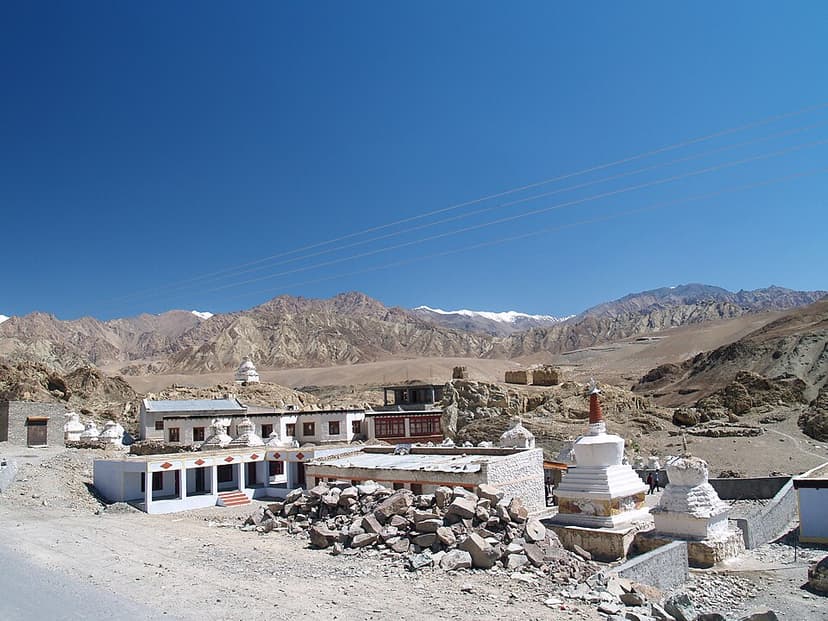
Alchi Monastery is a significant monastic complex located in the Leh District of Ladakh, India, comprising four ancient temples known for their unique artistic style that blends Tibetan and Kashmiri influences. Established between the early 12th and early 13th centuries, it is renowned for its well-preserved wall paintings, wood carvings, and statues, which are among the oldest surviving in Ladakh and reflect both Buddhist and Hindu artistic traditions of the period.
Adam's Peak
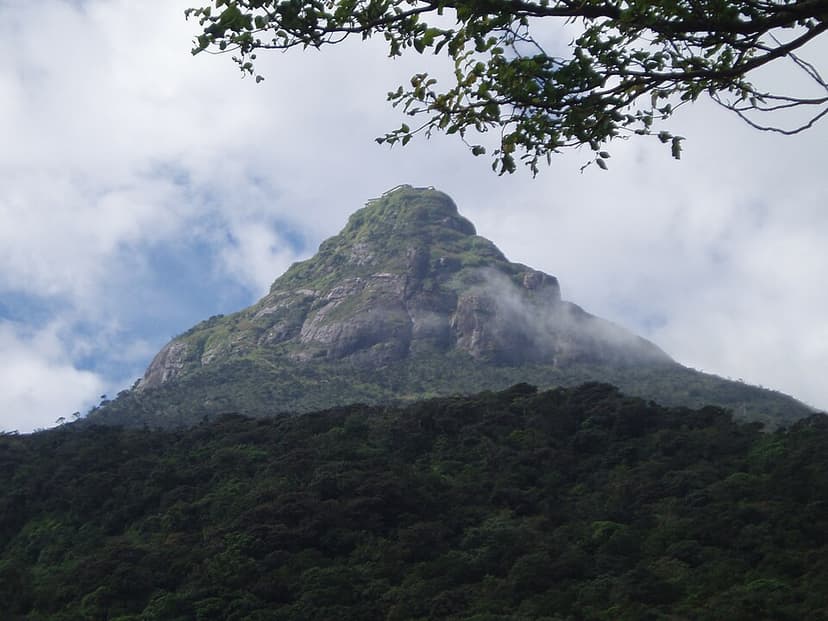
Adam's Peak, also known as Sri Pada or Samanalakanda, is a sacred mountain in central Sri Lanka revered by Buddhists, Hindus, Muslims, and Christians. It is renowned for a footprint-shaped rock formation near its summit, which is believed by Buddhists to be the Buddha's footprint, and by Hindus to be that of Shiva. The mountain is an important pilgrimage site, particularly during its climbing season from December to May.