
Alchi Monastery
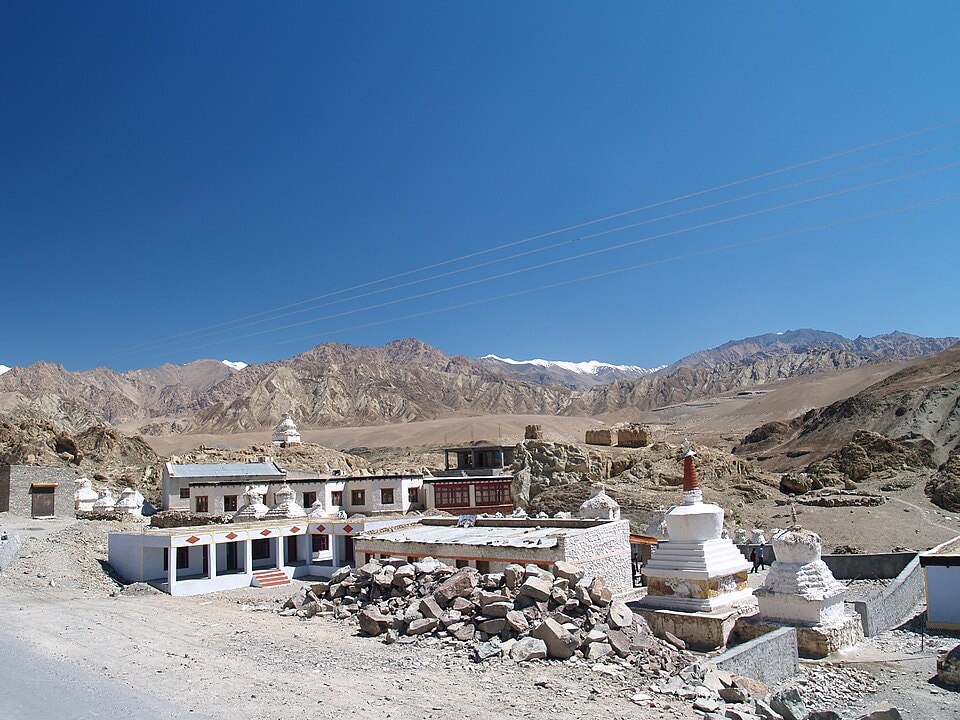
Alchi Monastery is a significant monastic complex located in the Leh District of Ladakh, India, comprising four ancient temples known for their unique artistic style that blends Tibetan and Kashmiri influences. Established between the early 12th and early 13th centuries, it is renowned for its well-preserved wall paintings, wood carvings, and statues, which are among the oldest surviving in Ladakh and reflect both Buddhist and Hindu artistic traditions of the period.
Key Facts
- ›Alchi Monastery is part of a group of three villages forming the 'Alchi group of monuments', known for their unique style and workmanship.
- ›The complex includes the Dukhang (Assembly Hall), Sumtseg (three-storied temple), and Manjushri Temple.
- ›Monuments date from the early 12th to early 13th centuries, with some inscriptions suggesting a founding around 1140 CE.
- ›It houses some of the oldest surviving Buddhist paintings in Ladakh, influenced by Kashmiri and Hindu art.
- ›The monastery is administered by Likir Monastery and is located 60 km west of Leh.
- ›It is known for its elaborate wood carvings and artwork, described as 'almost baroque in style'.
Important Relationships
- Likir Monastery
- Guru Rinchen Zangpo
- Tsültrim Ö
- Kal-dan Shes-rab
- Ancient Wall Paintings
- Elaborate Wood Carvings
- Statues of Buddha and Bodhisattvas
- Unique Blend of Tibetan and Kashmiri Art Styles
- Chortens
Construction of Dukhang and Sumtseg Temples, Cessation of Worship In the 15th Century, Administration Transferred To Likir Monastery
Tibetan, Kashmiri
About Alchi Monastery
Alchi Monastery, also known as Alchi Gompa, is a significant Tibetan Buddhist monastic complex situated in Alchi village within the Leh District of Ladakh, India. It is not a single monastery but rather a complex of four distinct temple settlements, with Alchi Monastery itself being the oldest and most renowned. The complex is celebrated for its unique artistic heritage, featuring some of the oldest surviving paintings in Ladakh, which exhibit an eclectic mix of Tibetan and Kashmiri styles, alongside influences from Hindu art of the period.
History and Construction
The precise founding date of Alchi Monastery is subject to scholarly discussion. Local tradition credits the great translator Guru Rinchen Zangpo (958–1055) with its establishment, aligning it with his efforts to spread Buddhism in the Trans-Himalayan region. However, inscriptions found within the monuments suggest a later construction period. The Dukhang, or Assembly Hall, and the Sumtseg, a three-storied temple, are dated to between the early 12th and early 13th centuries. Inscriptions indicate that an unnamed uncle of a patron named Tsültrim Ö, possibly a Tibetan noble named Kal-dan Shes-rab, was instrumental in the construction of the Dukhang around or after 1140 CE. The Sumtseg is believed to have been established in the early 13th century.
The monastery complex was historically associated with the Kadampa order before later coming under the administration of the Gelugpa sect, and it is currently administered by Likir Monastery. Worship at Alchi monastery reportedly ceased for unknown reasons in the fifteenth century.
Architectural and Artistic Significance
The Alchi complex comprises three major shrines: the Dukhang, the Sumtseg, and the Manjushri Temple, along with several chortens. The Sumtseg is particularly noteworthy for its three-storied structure built with loam and natural stone, housing interior woodwork, clay images, and paintings created by Kashmiri artists. The wall paintings within the Dukhang depict various mandalas and Buddhist deities, reflecting artistic traditions from the time of Hindu kings in Kashmir. The artwork is characterized by its vibrant colors, elaborate wood carvings, and a style described as 'almost baroque,' showcasing a remarkable synthesis of cultural influences.
Location and Visitor Information
Alchi Monastery is located on the south bank of the Indus River, approximately 60 kilometers west of Leh. The village is situated at an altitude of 3,100 meters (10,200 ft) in a high-altitude rain shadow area. The accessibility to Alchi is via Leh, which is connected by air to Delhi. The road route from Manali to Leh is typically open from May or June to October, depending on snow conditions. Alchi is also part of the larger 'Alchi group of monuments,' which includes the neighboring villages of Mangyu and Sumda Chun, all recognized for their unique artistic and architectural contributions.
Source: Wikipedia ↗
Frequently Asked Questions
What is Alchi Monastery known for?
Alchi Monastery is renowned for its exceptionally well-preserved ancient murals and wood carvings, which exhibit a unique blend of Tibetan and Kashmiri artistic styles. These artworks are considered some of the oldest surviving in Ladakh and provide insight into the region's rich cultural and spiritual history.
When was Alchi Monastery founded?
While local tradition attributes the founding to Guru Rinchen Zangpo between 958 and 1055, inscriptions within the complex suggest that the Dukhang, the assembly hall, was built by an unnamed uncle of patron Tsültrim Ö no earlier than 1140 CE. The Sumtseg temple is dated to the early 13th century.
What are the main structures within Alchi Monastery?
The main structures within the Alchi monastic complex are the Dukhang (Assembly Hall), the Sumtseg (a three-storied temple), and the Manjushri Temple. Chortens are also an important feature of the complex.
What is unique about the art at Alchi Monastery?
The art at Alchi Monastery is notable for its fusion of Tibetan and Kashmiri styles, and it reflects the artistic sensibilities of both Buddhist and Hindu rulers of the time in Kashmir. The wall paintings and wood carvings are considered some of the oldest surviving in Ladakh and are characterized by vibrant colors and intricate detail.
Who administers Alchi Monastery?
Alchi Monastery is administered by the Likir Monastery. Historically, monasteries of this period were initially under the Kadampa order and later mostly taken over by the Gelugpa order, with Alchi coming under Gelugpa control from Likir.
Related Buddhist Temples

Ajanta Caves
The Ajanta Caves are a series of approximately 30 rock-cut Buddhist cave monuments located in Maharashtra, India, dating from the 2nd century BCE to about 480 CE. Universally recognized as masterpieces of Buddhist religious art, they feature exquisite paintings and sculptures that are among the finest surviving examples of ancient Indian art, particularly noted for their expressive depiction of emotions. These caves served as monasteries and worship halls, offering a monsoon retreat for monks and a resting place for travelers, and are now a UNESCO World Heritage Site.
Abhayagiriya
Abhayagiriya Vihāra was a prominent Buddhist monastic complex and a royal capital in Anuradhapura, Sri Lanka, historically serving as a major center for Theravada, Mahayana, and Vajrayana Buddhism. It was a significant religious and educational institution, attracting scholars from afar and playing a crucial role in the spread of Buddhism internationally, making it a vital pilgrimage site.
Abhayagiri Buddhist Monastery
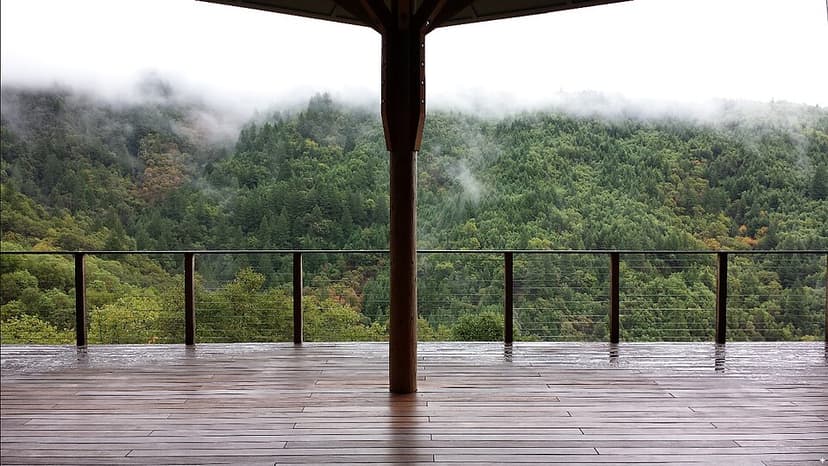
Abhayagiri Buddhist Monastery is a Theravada Buddhist monastery in Redwood Valley, California, belonging to the Thai Forest Tradition. It focuses on teaching Buddhist ethics and traditional concentration and insight meditation as a path to end suffering. The monastery, whose name means 'fearless mountain' in Pali, was established in the late 1980s and has grown into a significant center for Buddhist practice and teaching in the United States.