
Giác Lâm Temple
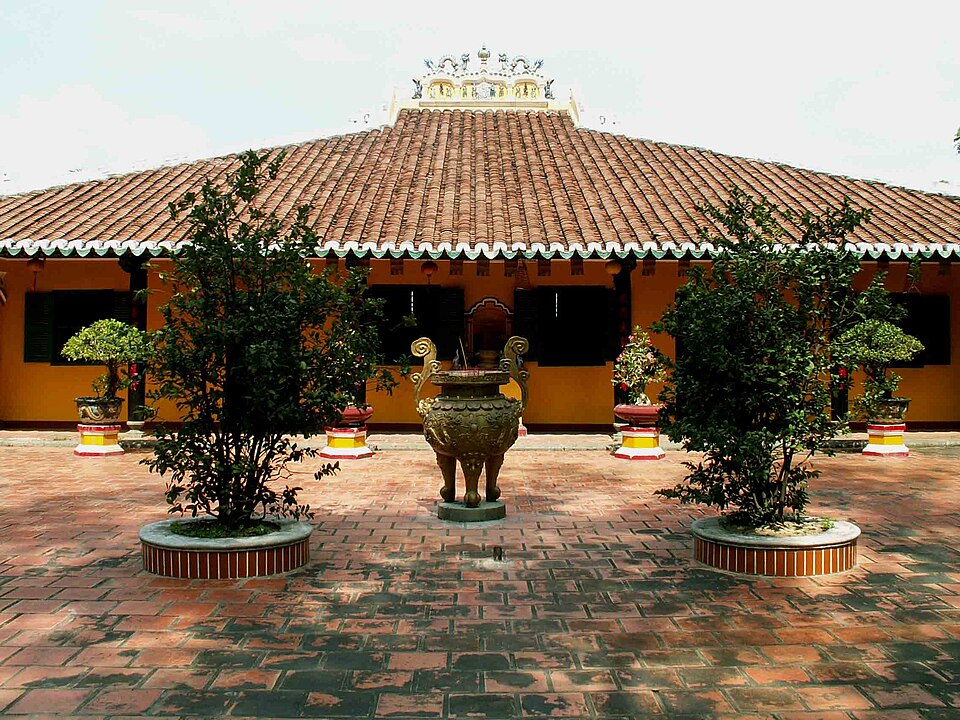
Giác Lâm Temple, established in 1744, is one of the oldest Buddhist temples in Ho Chi Minh City, Vietnam. Officially recognized as a state-cultural and historical site in 1988, it holds significant historical and architectural value, showcasing a blend of Mahayana Buddhist traditions and Vietnamese temple construction. The temple features a notable seven-story stupa and numerous historic statues, making it a key landmark and religious center.
Key Facts
- ›Founded in 1744 by Lý Thụy Long, making it one of the oldest temples in Ho Chi Minh City.
- ›Officially listed as a state-cultural and historical site by the Vietnamese Ministry of Culture, Sports and Tourism in 1988.
- ›Features a prominent seven-story stupa, one of the tallest Buddhist towers in the city.
- ›Houses 112 historic statues made of wood with gold coatings and seven bronze statues, with the oldest dating back to the 18th century.
- ›The temple grounds include a garden with a Bodhi tree brought from Sri Lanka and a statue of Avalokiteshvara.
- ›Underwent significant renovations in the late 18th century and early 20th century.
Important Relationships
- Lý Thụy Long (founder)
- Nguyễn Phúc Khoát (ruler during founding)
- Thích Viên Quang (abbot)
- Trịnh Hoài Đức (historian)
- Venerable Narada (brought Bodhi tree and relics)
- Vĩnh Hoằng (architect of stupa)
Seven-Story Stupa, Bodhi Tree, Statue of Avalokiteshvara, 112 Historic Statues, Nine Dragons Altar, Stupas of Abbots
- Built In 1744
- ThíCh ViêN Quang Became Abbot In 1772 and Renamed the Temple
- Major Renovation and Reconstruction From 1799 To 1804
- Second Total Renovation and Rebuilding From 1906 To 1909
- Bodhi Tree and Buddha Relics Arrived In 1953
- Stupa Construction Began In 1970, Paused In 1975, Resumed In 1993, and Inaugurated In 1994
- Officially Listed As A State-Cultural and Historical Site In 1988
Vietnamese Temple Architecture, Mahayanist Pagoda Style
About Giác Lâm Temple
Giác Lâm Temple, known in Vietnamese as Chùa Giác Lâm and historically as Giác Lâm tự, is a significant Buddhist temple located in Ho Chi Minh City, Vietnam. Established in 1744, it stands as one of the city's oldest religious structures, embodying centuries of Buddhist tradition and architectural evolution. Its historical importance was formally recognized in 1988 when it was officially designated as a state-cultural and historical site by the Ministry of Culture, Sports and Tourism.
History and Development
The temple was founded in the spring of 1744 by Lý Thụy Long, a native of Minh Hương. During its early years, the area was characterized by dense foliage and surrounding flower gardens, with the temple serving as a gathering place during the Tết new year and offering a scenic overlook of the Gia Định markets. A pivotal moment in its history occurred in 1772 when Thích Viên Quang of the Lâm Tế Thiền lineage became abbot, under whom the temple adopted its current name, Giác Lâm. The temple has undergone substantial renovations throughout its existence, most notably between 1799 and 1804 under Thích Viên Quang, and again between 1906 and 1909 under Thích Hồng Hưng.
Architectural Features and Contents
Giác Lâm Temple is situated on a spacious plot now enclosed by urban development. The main pagoda is a rectangular building measuring 65 meters in length and 22 meters in width, comprising a main ceremonial hall, a dharma preaching hall, and a meal hall, supported by 98 pillars inscribed with gold-painted phrases. The primary altar features a statue of Amitabha Buddha, flanked by figures of Sakyamuni Buddha and four principal bodhisattvas, characteristic of Mahayanist pagodas in southern Vietnam. The temple houses a remarkable collection of 112 historic statues, many crafted from wood with gold coatings, alongside seven bronze statues. The oldest among these is an 18th-century wooden statue of Gautama Buddha.
Notable Sites within the Temple Grounds
Among the most striking features is a seven-story stupa, hexagonal in shape, which stands as one of the tallest Buddhist towers in Ho Chi Minh City. Construction began in 1970 but was paused and later resumed, with a ceremony for its inauguration held in 1994. The temple garden is notable for a large statue of the bodhisattva Avalokiteshvara placed under a Bodhi tree. This tree was a gift from the renowned Sinhalese Buddhist monk Narada in 1953, who also brought a sample of Gautama Buddha's relics, which are now housed within the stupa. Adjacent to the temple are stupas dedicated to former abbots, including that of patriarch Thích Phật Ý, whose remains were moved to Giác Lâm in 1923.
Source: Wikipedia ↗
Frequently Asked Questions
When was Giác Lâm Temple founded?
Giác Lâm Temple was founded in the spring of 1744. This places its establishment during the reign of Nguyễn Phúc Khoát, a significant period for the Nguyễn Lords' rule in southern Vietnam.
What is the historical significance of Giác Lâm Temple?
It is one of the oldest Buddhist temples in Ho Chi Minh City and was officially listed as a state-cultural and historical site in 1988. Its history is documented through periods of renovation and reconstruction, reflecting its enduring importance.
What are the notable architectural features of Giác Lâm Temple?
The temple's main building is a rectangular structure housing ceremonial, preaching, and meal halls. It is distinguished by a tall, seven-story stupa and an extensive collection of 112 historic statues, many adorned with gold.
What is special about the garden at Giác Lâm Temple?
The garden features a statue of the bodhisattva Avalokiteshvara situated beneath a healthy Bodhi tree. This tree was brought to Vietnam from Sri Lanka in 1953 and is a species under which Prince Siddhartha is said to have achieved enlightenment.
What types of statues are found at Giác Lâm Temple?
The temple houses a collection of 112 historic wooden statues with gold coatings and seven bronze statues. The oldest is an 18th-century wooden statue of Gautama Buddha, and other notable pieces include the Nine Dragons altar and sets of eighteen arahant statues.
Related Buddhist Temples

Báo Quốc Temple
Báo Quốc Temple is a significant Buddhist temple located in the historic city of Huế, Vietnam. It served as one of the city's three national temples during the Nguyễn dynasty and has a history of royal patronage and continuous renovation. The temple is notable for its role in Buddhist education and monastic training, housing important relics and architectural features.
Thiên Mụ Temple
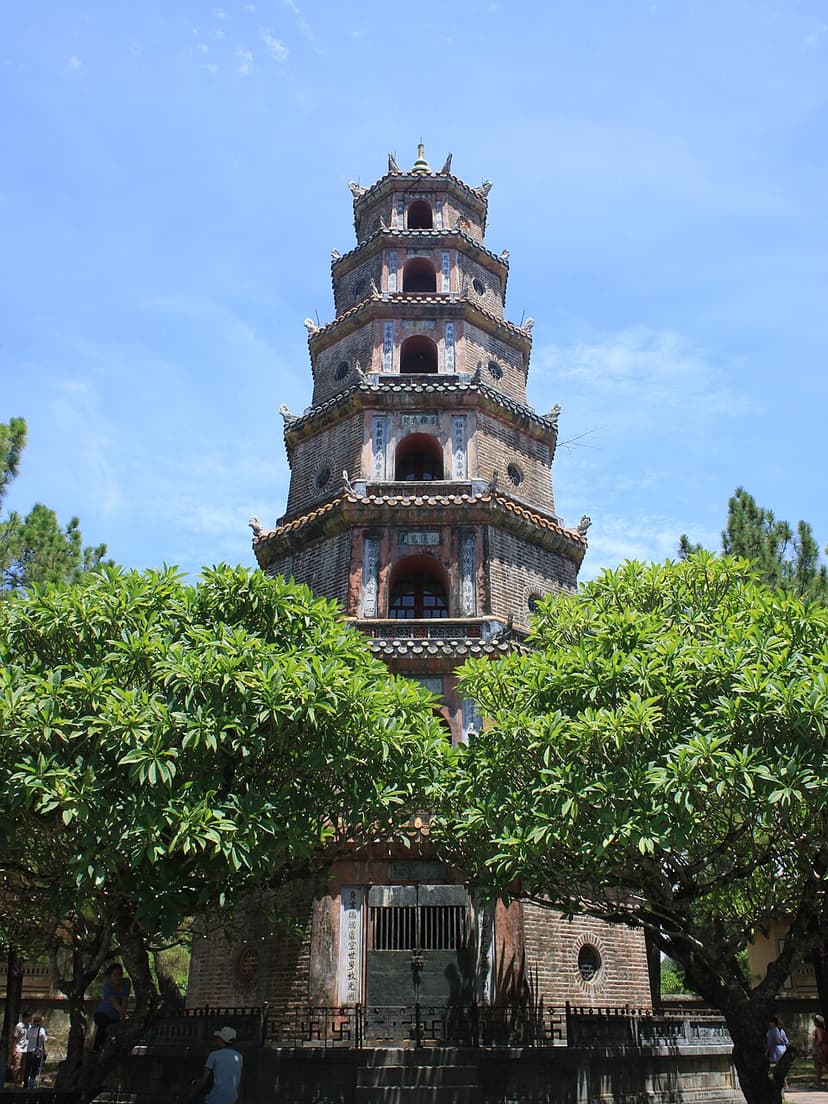
Thiên Mụ Temple, meaning "Temple of the Celestial Lady," is a historic Buddhist temple located in Huế, Vietnam. It is renowned for its iconic seven-story Phước Duyên pagoda, which has become an unofficial symbol of the city and a frequent subject in local folk poetry. The temple holds significant historical and religious importance, having been a center for Buddhist protests and a patronized site by Vietnamese royalty.

Vietnamese Buddhist community
Vietnamese Buddhism is a major form of East Asian Mahayana Buddhism, deeply integrated into Vietnam's cultural and historical fabric. It has a history spanning over two millennia, evolving through various dynasties and adapting to syncretic influences from Taoism, Chinese spirituality, and Vietnamese folk religion. Today, it remains the largest organized religion in Vietnam, with a significant portion of the population adhering to its practices.