
Vietnamese Buddhist community
Vietnamese Buddhism is a major form of East Asian Mahayana Buddhism, deeply integrated into Vietnam's cultural and historical fabric. It has a history spanning over two millennia, evolving through various dynasties and adapting to syncretic influences from Taoism, Chinese spirituality, and Vietnamese folk religion. Today, it remains the largest organized religion in Vietnam, with a significant portion of the population adhering to its practices.
Key Facts
- ›Buddhism may have arrived in Vietnam as early as the 3rd or 2nd century BCE from India, or the 1st or 2nd century CE from China.
- ›Vietnamese Buddhism is generally inclusive and syncretic, drawing from Chinese Mahayana traditions like Tiantai, Huayan, Zen, and Pure Land.
- ›The Lý dynasty (1009–1225) saw Buddhism reach its zenith, with emperors professing and sanctioning it as the state religion.
- ›The TrúC LâM school of Zen was established during the Trần dynasty (1225–1400) by Emperor Trần Nhân Tông.
- ›A Buddhist revival movement emerged in the 1920s to reform and strengthen institutional Buddhism.
- ›The 1963 Buddhist crisis, marked by government persecution and self-immolation protests, significantly impacted the nation's political landscape.

Important Relationships
- Kang Senghui
- Mouzi
- Vinitaruci
- Phap Hien
- Wu Yantong
- Lý Thái Tổ
- Emperor Trần Nhân Tông
- Phap Loa
- Huyen Quang
- Ngô Đình Diệm
- Ngô Đình Thục
- Thích Quảng Đức
- Thích Trí Quang
- Thích Nhất Hạnh
- Dalai Lama
- Syncretic Relationship With Taoism, Chinese Spirituality, and Vietnamese Folk Religion
- Influence of Chinese Buddhist Traditions
- Indigenous Forms of Vietnamese Buddhism
- Arrival of Buddhism
- Establishment of Luy LâU As A Mahayana Buddhist Hub
- Founding of the First Ch'An Sect By Vinitaruci
- Mahayana Buddhism Recognized As State Religion During đInh Dynasty
- Zenith of Buddhism During the Lý Dynasty
- Establishment of the TrúC LâM School of Zen By Emperor TrầN NhâN TôNg
- Buddhist Revival Movement Emerges
- 1963 Buddhist Crisis and Self-Immolation of ThíCh QuảNg đứC
- Outlawing of the Unified Buddhist Sangha of Vietnam and Formation of the Buddhist Sangha of Vietnam
- Government Recognition of Pure Land Buddhism
About Vietnamese Buddhist community
Vietnamese Buddhism
Vietnamese Buddhism, practiced by the Vietnamese people, is a significant branch of East Asian Mahayana Buddhism and is the second largest religion in Vietnam. Its history in the country is extensive, potentially dating back to the 3rd or 2nd century BCE from India or the 1st or 2nd century CE from China. Over centuries, it has developed a syncretic character, integrating elements of Taoism, Chinese spirituality, and Vietnamese folk religion.
Historical Development
Early Buddhist history in Vietnam saw the flourishing of Mahayana Buddhism around Luy Lâu in modern Bắc Ninh Province, which served as a hub for Indian monks traveling to China. Key figures like Kang Senghui and Mouzi contributed to its early development and doctrinal discourse. The religion saw periods of significant state patronage, particularly during the Lý dynasty (1009–1225), when it was considered the state religion and profoundly influenced society and royal policy. The Trần dynasty (1225–1400) witnessed the establishment of the Trúc Lâm school of Zen by Emperor Trần Nhân Tông, further diversifying Buddhist practice.
During later dynastic periods, Buddhism often coexisted with and was influenced by Neo-Confucianism and Taoism. Despite periods of state control and critique from Confucian officials, Buddhism remained popular among the masses and continued to influence scholarly thought and popular writings. The 20th century saw a Buddhist revival movement aimed at reforming and strengthening the religion, leading to increased use of vernacular Vietnamese and engagement with modern societal issues.
Modern Era and Significance
In the latter half of the 20th century, Vietnamese Buddhism faced significant challenges under Communist rule following the fall of Saigon in 1975. The Unified Buddhist Sangha of Vietnam was outlawed, and a state-controlled organization was established. However, since the Đổi Mới reforms initiated in 1986, religious practices, including Buddhism, have seen a gradual easing of restrictions. Today, Buddhism is a vital spiritual and cultural force in Vietnam, with a substantial portion of the population identifying as Buddhist. Its historical depth, syncretic nature, and resilience have cemented its place as a defining element of Vietnamese identity.
Source: Wikipedia ↗
Frequently Asked Questions
When did Buddhism first arrive in Vietnam?
There are differing theories regarding Buddhism's initial arrival in Vietnam. Some scholars suggest it may have been as early as the 3rd or 2nd century BCE via delegations from India, while others propose it arrived during the 1st or 2nd century CE from China.
What are the main schools of Buddhism practiced in Vietnam?
Vietnamese Buddhism is largely Mahayana, incorporating traditions such as Tiantai (Thiên Thai), Huayan (Hoa Nghiêm), Zen (Thiền), and Pure Land (Tịnh Độ). Indigenous forms like Bửu Sơn Kỳ Hương and Hòa Hảo also exist, alongside Theravada Buddhism.
What was the role of Buddhism during the Lý dynasty?
During the Lý dynasty (1009–1225), Buddhism reached its peak influence and was officially recognized as the state religion. The emperors embraced Buddhism, and its tenets influenced royal policies and contributed to unique cultural characteristics through festivals and pagoda constructions.
What led to the 1963 Buddhist crisis in South Vietnam?
The crisis stemmed from pro-Catholic policies by President Ngô Đình Diệm, a Catholic, which led to discrimination against the Buddhist majority. Prohibitions on displaying Buddhist flags during Vesak celebrations, while Catholics were permitted to fly religious flags, ignited widespread protests and confrontations.
How is Buddhism viewed in modern Vietnam?
Despite the Communist Party officially promoting atheism, Buddhism is generally favored due to its deep historical ties with Vietnam and its association with Vietnamese patriotism. Buddhist festivals are officially promoted by the government, and restrictions are relatively few compared to other religions.
Related Buddhist Temples

Báo Quốc Temple
Báo Quốc Temple is a significant Buddhist temple located in the historic city of Huế, Vietnam. It served as one of the city's three national temples during the Nguyễn dynasty and has a history of royal patronage and continuous renovation. The temple is notable for its role in Buddhist education and monastic training, housing important relics and architectural features.
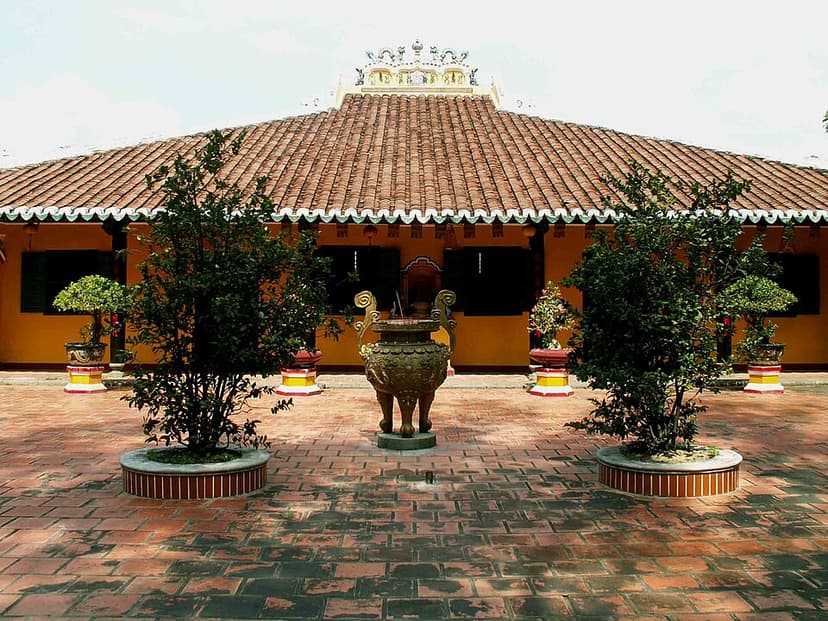
Giác Lâm Temple
Giác Lâm Temple, established in 1744, is one of the oldest Buddhist temples in Ho Chi Minh City, Vietnam. Officially recognized as a state-cultural and historical site in 1988, it holds significant historical and architectural value, showcasing a blend of Mahayana Buddhist traditions and Vietnamese temple construction. The temple features a notable seven-story stupa and numerous historic statues, making it a key landmark and religious center.
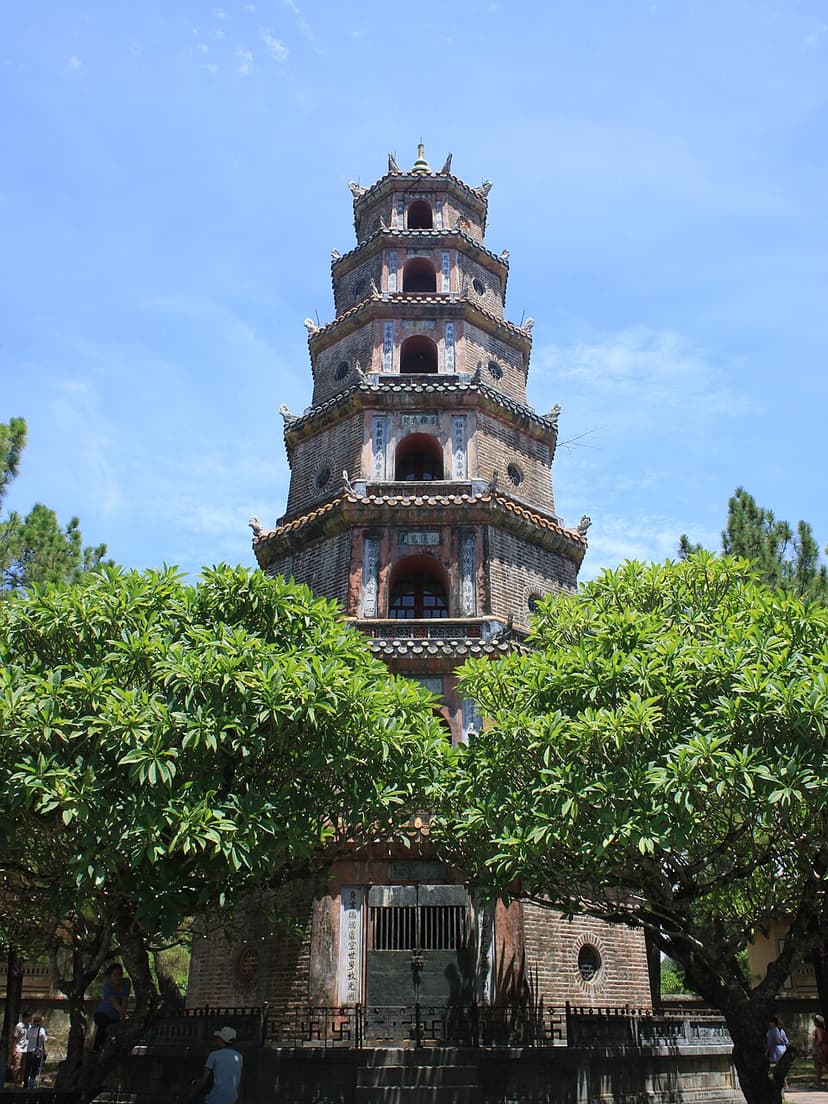
Thiên Mụ Temple
Thiên Mụ Temple, meaning "Temple of the Celestial Lady," is a historic Buddhist temple located in Huế, Vietnam. It is renowned for its iconic seven-story Phước Duyên pagoda, which has become an unofficial symbol of the city and a frequent subject in local folk poetry. The temple holds significant historical and religious importance, having been a center for Buddhist protests and a patronized site by Vietnamese royalty.