
Yameshwar Temple
Rekha Deula and Pidha Deula·14th century·India
The Yameshwar Temple, also known as Jameshwar Temple, is an ancient Hindu temple located in Bhubaneswar, Odisha, India. Dedicated to the deities Shiva and Yama, it features distinct architectural styles with its main vimana in the Rekha Deula style and its jagamohana in the Pidha Deula style. Despite damage over time from natural causes, the temple remains a significant site for worship and the observance of various festivals.
Key Facts
- ›Dedicated to Hindu deities Shiva and Yama.
- ›Located in Bhubaneswar, Odisha, India.
- ›Main vimana built in the Rekha Deula style, jagamohana in Pidha Deula style.
- ›Constructed primarily of sandstone, with a laterite outer prakaram.
- ›Features iconography including Dikpalas, romantic couples, and erotic scenes.
- ›Built during the 13th or 14th century under the Eastern Ganga dynasty.

Shiva, Yama
- Religious Site Dedicated To Shiva and Yama
- Example of Rekha Deula and Pidha Deula Architecture
- Site For Observance of Festivals Like Jiuntia, Shivaratri, and Kartik Purnima
Eastern Ganga Dynasty
Jiuntia, Shivaratri, Kartik Purnima
Sandstone, Laterite
Dikpalas, Romantic Couples, Nayikas, Vidalas, Erotic Scenes, Elephant Processions
About Yameshwar Temple
The Yameshwar Temple, also referred to as Jameshwar Temple, is an ancient Hindu sanctuary located in Bhubaneswar, the capital city of Odisha, India. Situated in Jameshwar Patna near Bharati Matha, this temple is primarily dedicated to the worship of the deities Shiva and Yama.
Architecture and Construction
The temple's architectural design showcases distinct styles characteristic of the region. The main tower, known as the vimana, is built in the Rekha Deula style, while the accompanying structure, the jagamohana, adopts the Pidha Deula style and features a detached mandapa. The primary construction material for the temple is sandstone, a choice that, while aesthetically pleasing, has led to significant damage over time due to natural disasters and harsh weather conditions. The outer enclosure, or prakaram, is constructed from laterite.
The iconography adorning the temple walls is rich and varied, depicting themes such as the Dikpalas (guardians of the directions), romantic couples, nayikas (heroines), Vidalas (mythical creatures), erotic scenes, and elaborate elephant processions. The inner sanctum, or garbhagriha, houses the principal deity in the form of a Shiva linga, which is set within a circular yonipitha.
Historical evidence suggests that the Yameshwar Temple was constructed during the 13th or 14th century, a period when the Eastern Ganga dynasty held sway over the region. This historical context places the temple within a significant era of temple building and patronage in Odisha.
Festivals and Religious Significance
The Yameshwar Temple remains an active site of worship and is central to the observance of several important Hindu festivals. Among the most widely celebrated are Jiuntia, Shivaratri, and Kartik Purnima. Specific days are considered especially significant for devotees, including Mondays and Sankramana days (days marking the transition of the sun into a new zodiac sign). A particular belief held by devotees is that those who visit the temple during the Bharani Nakshatra are blessed with freedom from all worldly miseries, underscoring its importance as a pilgrimage destination.
Source: Wikipedia ↗
Frequently Asked Questions
What deities are worshipped at the Yameshwar Temple?
The Yameshwar Temple is dedicated to the Hindu deities Shiva and Yama. The inner sanctum (garbhagriha) houses a Shiva linga placed within a circular yonipitha.
What is the architectural style of the Yameshwar Temple?
The main tower (vimana) of the temple is built in the Rekha Deula architectural style. The accompanying structure (jagamohana) follows the Pidha Deula style and includes a detached mandapa.
When was the Yameshwar Temple constructed?
Historical records indicate that the Yameshwar Temple was built during the 13th or 14th century. This period falls within the rule of the Eastern Ganga dynasty.
What materials were used in the construction of the Yameshwar Temple?
The temple's main structure is built of sandstone, which has made it susceptible to damage from natural disasters and weather. The outer enclosure (prakaram) is constructed using laterite.
What significant festivals are observed at the Yameshwar Temple?
The temple is a site for the observance of several important Hindu festivals, including Jiuntia, Shivaratri, and Kartik Purnima. Mondays and Sankramana days are considered particularly auspicious for visits.
What is the significance of visiting the Yameshwar Temple during Bharani Nakshatra?
Devotees believe that visiting the Yameshwar Temple during the Bharani Nakshatra offers liberation from all miseries. This belief contributes to its importance as a site of faith.
Related Temples (Hindu)
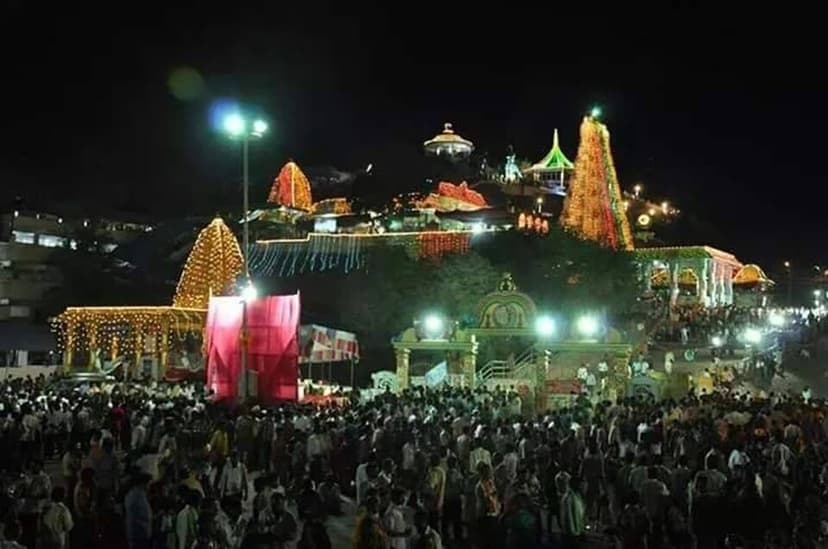
Kotappakonda
Kotappakonda is a significant Hindu pilgrimage site in Andhra Pradesh, India, centered around the ancient Sri Trikoteswara Swamy Temple, dedicated to Lord Shiva. Renowned for its three distinct peaks, the site is a major Shaivite center, drawing large crowds, especially during the annual Maha Shivaratri festival.

Kapilesvara Siva Temple
The Kapilesvara Siva Temple is a Hindu temple dedicated to Shiva, located in Bhubaneswar, Odisha, India. Situated in a precinct with 33 other monuments, it is considered a sacred site, with local legend identifying it as the birthplace of Lord Shiva. The temple complex, which includes various shrines and mandapas, has a rich architectural history, with some structures dating back to the 10th or 11th century and others renovated or built later.

Hampi
Hampi, also known as the Group of Monuments at Hampi, is a UNESCO World Heritage Site located in Karnataka, India. Once the prosperous capital of the Vijayanagara Empire, Hampi is now a sprawling archaeological site featuring over 1,600 surviving remains of forts, temples, royal complexes, and water structures, spread across 4,100 hectares. It continues to be a significant religious center, particularly with the active Virupaksha Temple.