
Vithoba Temple
The Vithoba Temple, also known as Shri Vitthal-Rukmini Mandir, is a significant Hindu temple located in Pandharpur, Maharashtra. It is the primary center of worship for Vithoba, a form of Vishnu, and his consort Rakhumai, drawing millions of devotees annually, particularly during the major pilgrimages. The temple is renowned for its open access, allowing devotees to touch the feet of the Vithoba idol, and for its pioneering role in appointing women and individuals from lower castes as priests.
Key Facts
- ›The temple is dedicated to Vithoba, a form of Lord Vishnu, and his consort Rakhumai.
- ›It is the most visited temple in the Indian state of Maharashtra.
- ›The temple is the focal point of the Varkari religious tradition.
- ›Worship of Vithoba at Pandharpur is traditionally attributed to the semi-legendary figure Pundalik.
- ›The existing structure primarily dates to the 17th century or later, reflecting the Deccan style.
- ›In 2014, it became the first temple in India to appoint women and people from lower castes as priests.

Vithoba, Rakhumai
- Focal Point of the Varkari Religious Tradition
- Major Religious and Cultural Center In Maharashtra
- Site of Significant Annual Pilgrimages
Hoysala Empire
Aashadhi Ekadashi, Kartiki Ekadashi, RangapañCamī, GokulāṣṭAmī
King Vishnuvardhana, Hoysala King Vira Someshwara, Pundalik
Chandrabhaga River
About Vithoba Temple
The Vithoba Temple, officially known as Shri Vitthal-Rukmini Mandir, is a prominent Hindu temple located in Pandharpur, within the Indian state of Maharashtra. It serves as the principal center of worship for Vithoba, a beloved form of the god Vishnu, and his consort Rakhumai. Recognized as one of the 108 Abhimana Kshethram of the Vaishnavate tradition, the temple is a vital spiritual destination, particularly for adherents of the Varkari movement.
History and Construction
The origins of Vithoba worship at Pandharpur are traditionally linked to the semi-legendary figure Pundalik, believed to have lived no earlier than the 12th century. Epigraphic evidence suggests a small shrine was established on the current site in 1189 CE. The temple was initially patronized by King Vishnuvardhana of the Hoysala Empire between 1108 and 1152 CE, with later inscriptions, such as one from 1237 CE by King Vira Someshwara, recording further construction and grants for its upkeep. While parts of the temple date to the 12th or 13th century, the existing structure predominantly reflects the later Deccan architectural style, featuring dome motifs and lobed arches, and dates mainly from the 17th century or later.
Religious Significance and Practices
The Vithoba Temple is the spiritual core of the Varkari tradition, a devotional sect that venerates Vithoba. The temple's significance extends to Pandharpur's role as a key religious and cultural center in Maharashtra. A notable aspect of worship here is that all devotees are permitted to touch the feet of the idol of Vithoba. The temple also plays a crucial role in major annual pilgrimages, with devotees known as Warkaris embarking on processions called 'Dindi' to reach Pandharpur, especially during Ashadhi Ekadashi and Kartiki Ekadashi.
Temple Description and Inclusivity
The temple complex is organized into several areas, including the Mukti Mandapa, Sabhā Mandapa, Solākhāṃbi, and Caukhāṃbi, culminating in the inner sanctum where the idol of Vithoba is enshrined. Various other deities affiliated with Vishnu and other traditions are also worshipped within the temple. In a landmark decision in May 2014, the Vithoba Temple became the first in India to appoint women and individuals from lower castes as priests, marking a significant step towards inclusivity in religious practices.
Source: Wikipedia ↗
Frequently Asked Questions
Who is Vithoba?
Vithoba is a beloved deity primarily worshipped in Maharashtra and Karnataka, considered a form of the god Vishnu. He is often depicted as a dark, standing figure with his hands on his hips, typically accompanied by his consort Rakhumai.
What is the significance of the Vithoba Temple in Pandharpur?
The Vithoba Temple is the central pilgrimage site for the Varkari tradition, a devotional movement focused on Vithoba. It is a major religious and cultural hub in Maharashtra, attracting devotees from across the region for its auspicious festivals.
What is the history behind the Vithoba Temple?
Early inscriptions indicate a small shrine to Vithoba was established on the site around 1189 CE. The current structure largely dates from the 17th century onwards, though parts may be older, built in the Deccan style.
What is the legend of Pundalik and Vithoba?
Legend states that Vithoba came to Pandharpur to bless Pundalik, a devoted son who was serving his parents. Impressed by Pundalik's devotion, Vishnu agreed to stay at Pandharpur in the form of Vithoba.
What are the important festivals celebrated at Vithoba Temple?
The most significant events are the annual pilgrimages during the months of Ashadha and Kartika, particularly on the Ekadashi (11th day) of each lunar fortnight. Other observances include Rangapanchami and Gokulashtami.
What is unique about the temple priests?
In a historic move in 2014, the Vithoba Temple became the first in India to appoint women and individuals from historically marginalized castes as priests, promoting inclusivity in religious service.
Can devotees touch the idol of Vithoba?
Yes, a distinctive feature of the Vithoba Temple is that all devotees are permitted to touch the feet of the idol of Vithoba, symbolizing direct communion with the deity.
Related Temples (Hindu)
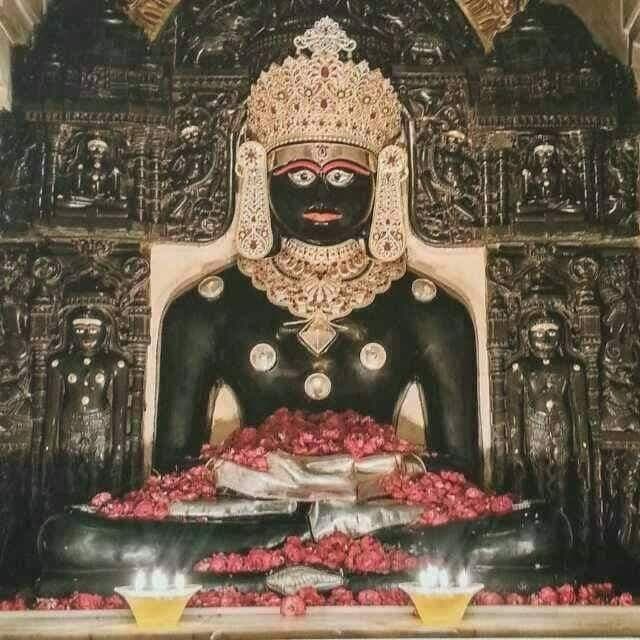
Neminath Jain Temple, Girnar
The Neminath Jain Temple, originally known as Karnavihara, is a significant Jain temple dedicated to the 24th Tirthankara, Neminatha, situated on Girnar hill in Gujarat, India. It is recognized as the foremost among the Girnar Jain temples, with its oldest existing structure dating back to the 12th century and built in the Māru-Gurjara architectural style.

Yogmaya Temple
The Yogmaya Temple, also known as Jogmaya Temple, is a Hindu temple in Mehrauli, New Delhi, dedicated to the goddess Yogmaya, an aspect of Maya and the sister of Krishna. It is considered one of the few surviving temples from the pre-Sultanate period in India and has undergone numerous reconstructions.
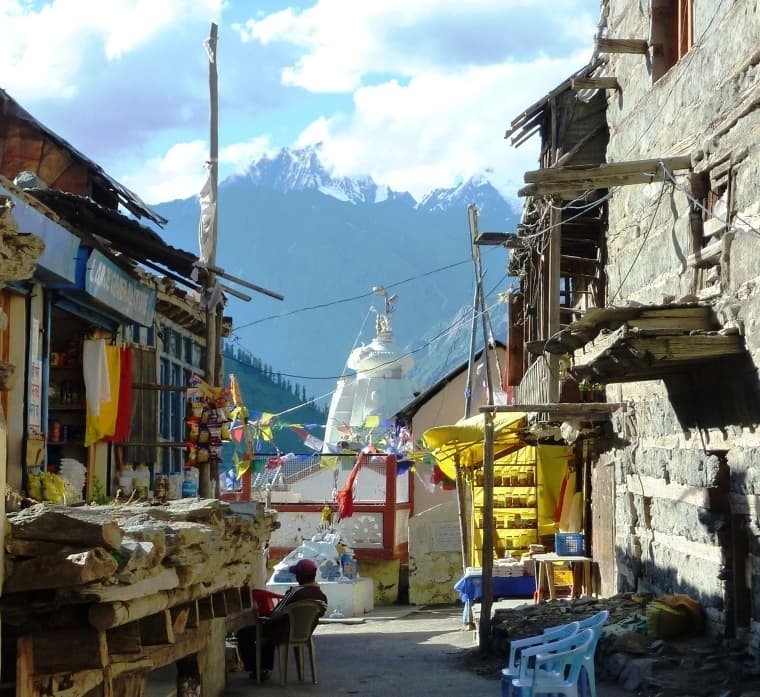
Triloknath Temple
The Triloknath Temple, located in Himachal Pradesh, India, is a significant religious site revered by both Tibetan Buddhists and Hindus. Originally believed to be a Buddhist vihara, it now houses a marble statue of Avalokiteshvara, worshipped as Shiva by Hindus and as Avalokiteshvara by Buddhists. The temple's architecture and history suggest a blend of influences, with its columns dating to the 9th century CE.