
Vindhyachal Temple
Vindhyachal Temple, also known as Maa Vindhyavasini Temple, is a significant Hindu temple dedicated to the mother goddess Vindhyavasini, located on the banks of the Ganga River in Mirzapur district, Uttar Pradesh. It is recognized as one of the Shakti Peetha temples in India and is believed to be the abode of Goddess Durga, attracting millions of devotees, especially during Navaratri.
Key Facts
- ›Dedicated to the mother goddess Vindhyavasini, also known as Kajari Devi.
- ›Recognized as one of the Shakti Peetha temples in India.
- ›Believed to be the abode of Goddess Durga, chosen by her after defeating the demon Mahishasura.
- ›Attracts millions of devotees, particularly during Navaratri and the Kajari festival.
- ›Part of the Trikona Parikrama, which includes other nearby temples like Ashtabhuja Devi Temple and Kali Khoh Temple.
- ›Currently undergoing development with a 'Vindhya Corridor' project modeled after the Kashi Vishwanath Corridor.
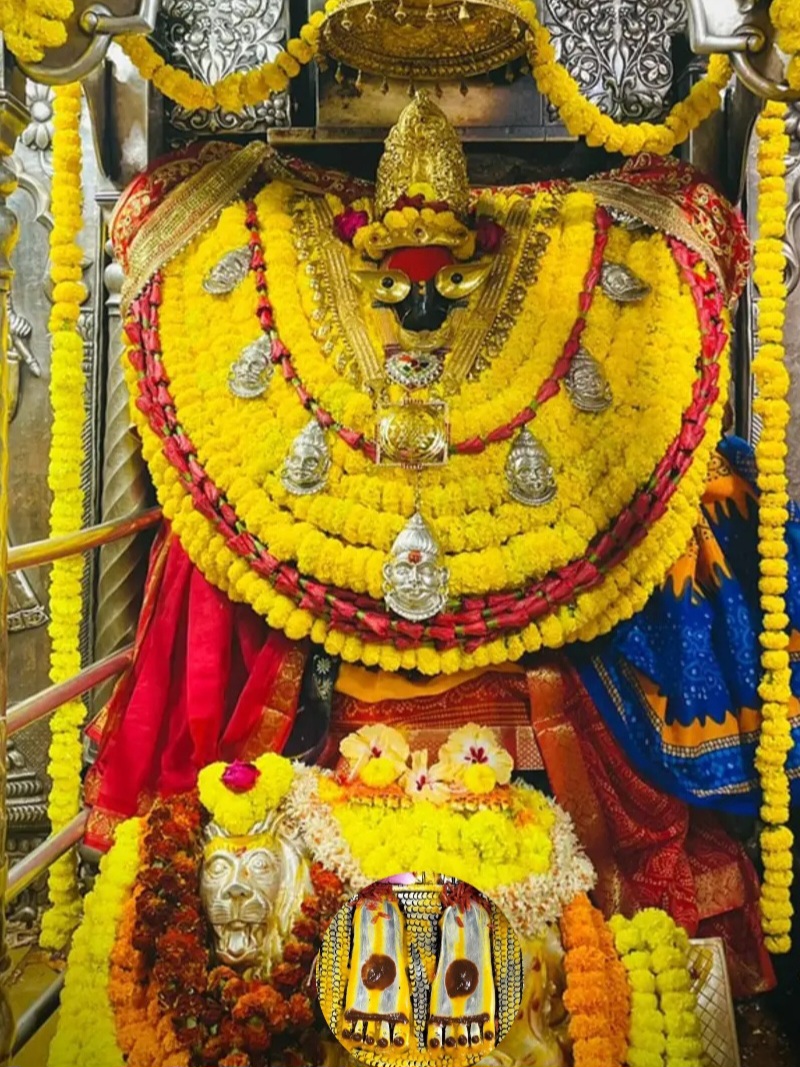
Vindhyavasini, Durga, Kajali Devi, Maha Kali, Maha Saraswati, Yogmaya
- Shakti Peetha
- Pilgrimage site
- Religious significance associated with Goddess Durga's victory over Mahishasura
Navaratri, Kajari Festival, Vindhyavasini Jayanti
Pink Stones
Ganga River
About Vindhyachal Temple
Vindhyachal Temple, also known by the names Maa Vindhyavasini Temple and Vindhyachal Dham, is a significant Hindu temple situated on the banks of the sacred Ganga River in the Mirzapur district of Uttar Pradesh, India. It holds a distinguished place among the Shakti Peetha temples across India, dedicated to the worship of the mother goddess Vindhyavasini. The deity is also revered as Kajari Devi, a name that reflects her complexion resembling kohl.
Historical and Religious Context
According to ancient scriptures, the city of Vindhyachal is considered the dwelling place of Goddess Durga. Tradition narrates that the goddess chose Vindhyachal to reside after her triumphant defeat of the demon Mahishasura. The temple is mentioned in the Durga Saptashati, which recounts the divine birth of Goddess Durga on the same night as Lord Krishna and her miraculous escape from King Kansa's attempts to harm her. This narrative underscores the temple's deep-rooted religious importance and its association with powerful divine events.
Pilgrimage and Festivals
Vindhyachal Temple is a major pilgrimage destination, drawing countless devotees throughout the year. The number of visitors swells significantly during the auspicious period of Navaratri, a nine-night festival dedicated to the worship of the divine feminine. During this time, the entire city is adorned with lamps and flowers, creating a vibrant spiritual atmosphere. The Kajari festival is also organized in honor of Goddess Vindhyavasini, further enhancing the temple's cultural and religious significance. The temple complex is part of a sacred circumambulation route known as the Trikona Parikrama, which includes other important nearby temples such as the Ashtabhuja Devi Temple and the Kali Khoh Temple, each dedicated to different forms of the divine feminine.
Accessibility and Development
The temple is accessible via Lal Bahadur Shastri Airport in Varanasi, located approximately 72 km away. Vindhyachal railway station is the closest railway hub, situated about 1 km from the temple, and is a key stop on the Delhi-Howrah and Mumbai-Howrah routes. Mirzapur railway station is another accessible option, approximately 9 km distant. The area is well-connected by road via National Highway 2, with regular bus services and taxi availability. Recognizing its importance, the government is undertaking the construction of the Vindhya Corridor, a project aimed at enhancing the temple's infrastructure and pilgrim facilities, reflecting a commitment to preserving and promoting this vital spiritual center.
Source: Wikipedia ↗
Frequently Asked Questions
What is the significance of Vindhyachal Temple?
Vindhyachal Temple is considered one of the prominent Shakti Peetha temples in India, dedicated to the mother goddess Vindhyavasini. It is believed to be the place where Goddess Durga chose to reside after her victory over the demon Mahishasura, making it a sacred site for devotees.
What is the origin of the name Vindhyavasini?
The name Vindhyavasini literally means 'one who resides in Vindhya', referring to the Vindhya Range. The goddess is also known as Kajari or Kajali Devi, a name attributed to her kohl-like complexion.
What festivals are celebrated at Vindhyachal Temple?
The temple celebrates the Kajari festival in honor of Goddess Kajari (Vindhyavasini) on the occasion of Vindhyavasini Jayanti. The temple also sees a massive influx of devotees during the Navaratri festival, when the entire city is decorated.
What other temples are associated with Vindhyachal Temple?
Vindhyachal Temple is part of the Trikona Parikrama, which includes the Ashtabhuja Devi Temple and the Kali Khoh Temple. The Ashtabhuja Temple is dedicated to Goddess Maha Saraswati, and the Kali Khoh Temple, located in a cave, is dedicated to Goddess Maha Kali.
How is Vindhyachal Temple connected by transport?
The nearest airport is Lal Bahadur Shastri Airport in Varanasi, about 72 km away. Vindhyachal railway station is the closest on the Delhi-Howrah and Mumbai-Howrah routes, located about 1 km from the temple. Mirzapur railway station is also an option, approximately 9 km away. The temple is well-connected by state-run buses and taxis via National Highway 2.
What is the Vindhya Corridor project?
The Vindhya Corridor is a development project aimed at enhancing the pilgrimage experience around Vindhyachal Temple. Modeled after the Kashi Vishwanath Corridor, it involves beautifying the temple, creating a 50 ft wide circumambulation route, and providing world-class facilities for pilgrims, utilizing pink stones crafted by artisans from Jaipur.
Related Temples (Hindu)

Taraknath Temple
The Taraknath Temple, located in Tarakeswar, West Bengal, India, is a significant Hindu pilgrimage site dedicated to Lord Shiva, worshiped here as Tarakanatha. Constructed in 1729, it features a distinct Bengal architectural style with an 'atchala' structure and an adjacent 'natmandir'. The temple is renowned for its belief that a dip in the nearby Dudhpukur tank fulfills prayers and is considered one of the 64 Jyotirlingas.

Tanot Mata Temple
The Tanot Mata Temple is a significant Hindu shrine located in the Jaisalmer district of Rajasthan, India, near the Pakistan border. Revered as a form of Goddess Hinglaj Mata, the temple is famously associated with the Indian victories in the Indo-Pakistani Wars of 1965 and 1971, with local folklore attributing the successful outcomes to divine intervention. The Border Security Force of India now manages the temple complex, which also includes a victory tower and a war museum.
Thriprayar Temple
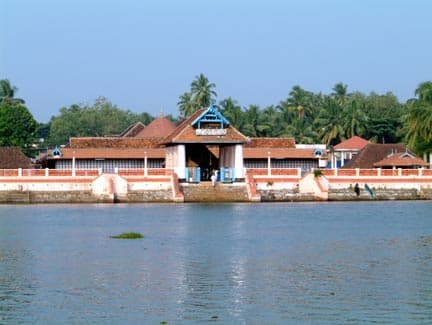
The Thriprayar Temple, also known as the Shree Ramaswami Temple, is a significant Hindu temple located in Triprayar, Thrissur district, Kerala, India. It is dedicated to Lord Rama, the seventh incarnation of Vishnu, who is depicted with four arms holding a conch, discus, bow, and garland. The temple's origin story involves the idol being worshipped by Krishna in Dwarka, later immersed in the sea, and eventually found by fishermen.