
Venkateswara Temple, Tirumala
The Venkateswara Temple, also known as Tirumala Temple, is a significant Hindu pilgrimage site located in the Tirumala hills of Andhra Pradesh, India. Dedicated to Venkateswara, a form of Vishnu, the temple is renowned for its Dravidian architecture and is considered one of the wealthiest and most visited religious sites globally. It is administered by the Tirumala Tirupati Devasthanams (TTD), an autonomous body under the Government of Andhra Pradesh.
Key Facts
- ›Dedicated to Venkateswara, a form of Vishnu, believed to have appeared to save humanity during the Kali Yuga.
- ›Located on the seventh peak, Venkatadri, of the Tirumala Hills, forming part of the Seshachalam mountain range.
- ›Features Dravidian architecture and is believed to have developed over time starting from around 300 CE.
- ›Attracts approximately 24 million devotees annually, making it one of the world's most visited religious sites.
- ›Administered by the Tirumala Tirupati Devasthanams (TTD), an autonomous body under the Government of Andhra Pradesh.
- ›Considered one of the richest Hindu temples in the world due to substantial donations.

Venkateswara, Vishnu
Major Hindu Pilgrimage Destination, Architectural Significance In Dravidian Style, One of the Wealthiest Hindu Temples Globally, Important Site For Vaikhanasa Agama Tradition
Tondaiman Rulers, Cholas, Pandyas, Vijayanagara Empire
Brahmotsavams, Vaikunta Ekadasi
Granite, Gold, Silver, Copper
Tondaiman Rulers, Pallava Queen Samavai, Chola Dynasty, Reddi Kingdom, Vijayanagara Pradhans, Krishnadevaraya, Raghoji I Bhonsle, Ramanujacharya, Mir Osman Ali Khan
Statues of Sankanidhi and Padmanidhi, Dwarapalakas Jaya and Vijaya, Gilt Plates Depicting Vishnu's Avatars, Bas Reliefs In Vijayanagar Style
Sri Swami Pushkarini
About Venkateswara Temple, Tirumala
The Venkateswara Temple, widely known as Tirumala Temple, Tirupati Temple, or Tirupati Balaji Temple, is a preeminent Hindu pilgrimage site nestled in the sacred Tirumala hills of Andhra Pradesh, India. Dedicated to Venkateswara, a manifestation of the god Vishnu, the temple is revered as a divine abode for saving humanity from the tribulations of the Kali Yuga, earning it the epithets 'Kaliyuga Vaikuntha' and its presiding deity the title 'Kaliyuga Prathyaksha Daivam'. The temple stands as a testament to centuries of devotion and architectural evolution, attracting an astounding number of devotees.
Historical and Traditional Context
The origins of the Venkateswara Temple are deeply rooted in legend and historical accounts. Traditionally, the Tondaiman rulers are credited with its initial establishment, with significant expansions and refinements occurring under the patronage of powerful dynasties such as the Cholas, Pandyas, and the Vijayanagara Empire. The temple's architectural framework, primarily in the Dravidian style, is believed to have developed over an extended period, potentially commencing around 300 CE. Medieval history reveals substantial endowments and patronage; for instance, Pallava queen Samavai made significant donations in 966 CE, and the Vijayanagara Empire, particularly under Emperor Krishnadevaraya in the 16th century, contributed immensely to the temple's wealth and adornment, including the gilding of the Ananda Nilayam (inner sanctum). The temple's administration has a complex history, transitioning through various rulers and entities before the establishment of the Tirumala Tirupati Devasthanams (TTD) under the Government of Andhra Pradesh.
Architectural and Spiritual Significance
The Venkateswara Temple is renowned for its magnificent Dravidian architecture, characterized by its towering gopurams (gateway towers), intricate carvings, and expansive prakarams (enclosed courtyards). The sanctum sanctorum, known as the Ananda Nilayam, houses the self-manifested idol of Venkateswara, which is believed to be eternal. The temple follows the Vaikhanasa Agama tradition of worship and is counted among the eight Vishnu Swayambhu Kshetras and the 108 Divya Desam temples. The Tirumala hills themselves, comprising seven peaks, are considered sacred, with local tradition identifying them with the heads of the cosmic serpent Adisesha. The temple complex includes modern facilities to manage the immense flow of pilgrims, such as queue complexes and the Annaprasadam Complex for free meals.
Devotion and Pilgrimage
As one of the most visited religious sites globally, the Venkateswara Temple draws an estimated 24 million devotees annually, with average daily footfall exceeding 60,000. This immense influx underscores its profound spiritual significance as a major pilgrimage destination. The temple is also recognized as one of the richest Hindu temples worldwide, primarily due to the vast donations received from devotees, particularly through the SriVari Hundi. Major festivals like the Brahmotsavams and Vaikunta Ekadasi attract particularly large crowds, highlighting the vibrant devotional life centered around the deity.
Source: Wikipedia ↗
Frequently Asked Questions
What is the history behind the Venkateswara Temple?
The temple's origins are traditionally attributed to the Tondaiman rulers, with later expansions and reforms undertaken by the Chola, Pandya, and Vijayanagar dynasties. Inscriptions suggest development over a long period, with early endowments recorded from the 10th century CE. Major expansions and wealth accumulation occurred under the Vijayanagara Empire.
What is the architectural style of the Venkateswara Temple?
The temple is built in the Dravidian architectural style. It features multiple layers of prakarams (enclosed courtyards) and mandapams (halls), with notable entrances like the Mahadvaram, Vendi Vakili (silver entrance), and Bangaru Vakili (golden entrance).
Who is the primary deity worshipped at the Venkateswara Temple?
The primary deity is Venkateswara, a form of the Hindu god Vishnu. He is also known by other names such as Balaji, Govinda, and Srinivasa. The deity is believed to have manifested on earth to protect humanity during the Kali Yuga.
What is the significance of the Tirumala hills?
The Tirumala hills, also known as Seshachalam, are traditionally believed to represent the body of the cosmic serpent Ananta (Shesha). The seven peaks are said to symbolize the serpent's seven heads, upon which Vishnu rests. The temple itself is situated on Venkatadri, the seventh peak.
How is the Venkateswara Temple administered?
The temple is administered by the Tirumala Tirupati Devasthanams (TTD), an autonomous body under the control of the Government of Andhra Pradesh. The TTD is managed by a board of trustees and an executive officer appointed by the state government.
What are some of the notable legends associated with the temple?
Several legends explain the deity's presence. One tradition states Vishnu resolved to dwell among devotees at the beginning of the Kali Yuga. Another associates the site with Varaha, the boar incarnation of Vishnu, and a third recounts the sage Bhrigu's visit to Vaikuntha, leading to Vishnu's descent to earth in search of Lakshmi.
Related Temples (Hindu)

Moteshwar Mahadev
Shree Moteshwar Mahadev, also known as Shree Bheem Shankar Mahadev, is a significant Hindu temple located in Kashipur, Uttarakhand, India. Historically known as Dakini State or Govishn, the temple enshrines a large Jyotirlingam believed to be the Bheem Shankar Jyotirlingam, one of the twelve principal Jyotirlingas of Lord Shiva. The temple complex also features other shrines and a sacred kund.
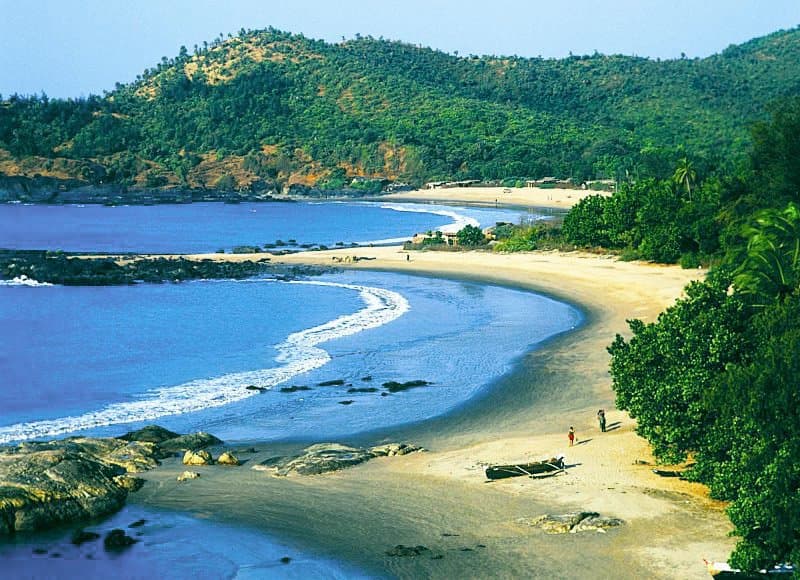
Gokarna
Gokarna is a historic temple town in Karnataka, India, renowned for its 4th-century Mahabaleshwar Temple dedicated to Lord Shiva. The town holds significant mythological importance, with legends linking its origin to a cow's ear and the divine Atmalinga. Beyond its religious significance, Gokarna is also a popular tourist destination, known for its beautiful beaches and trekking routes.
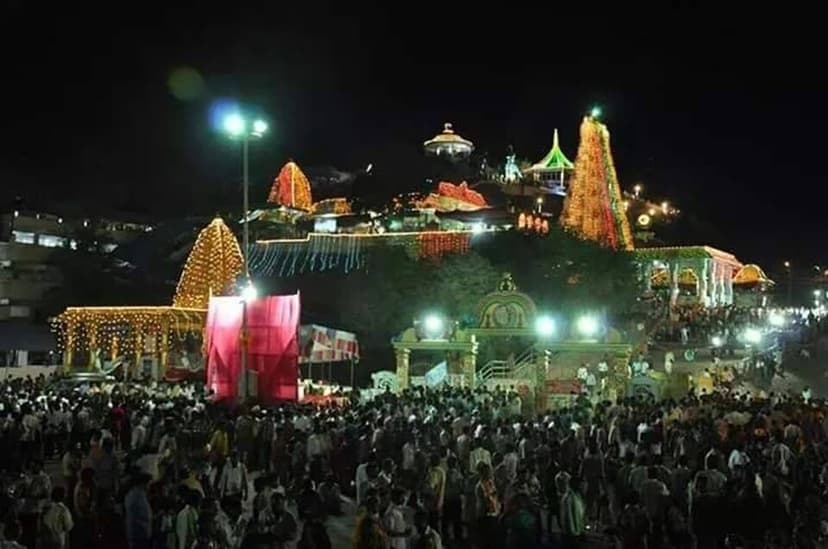
Kotappakonda
Kotappakonda is a significant Hindu pilgrimage site in Andhra Pradesh, India, centered around the ancient Sri Trikoteswara Swamy Temple, dedicated to Lord Shiva. Renowned for its three distinct peaks, the site is a major Shaivite center, drawing large crowds, especially during the annual Maha Shivaratri festival.