
Varadvinayak
The Varadvinayak Temple, also known as Varadavinayaka, is a significant Hindu temple dedicated to Lord Ganesha, located in Mahad village, Maharashtra, India. It is one of the revered Ashtavinayak temples and is known for its self-originated idol found in a nearby lake. The temple was restored in 1725 AD by Peshwa General Ramji Mahadev Biwalkar.
Key Facts
- ›It is one of the Ashtavinayak temples dedicated to Lord Ganesha.
- ›The temple's idol is a 'swayambu' (self-originated) and was discovered in a lake in 1690 AD.
- ›The temple was restored in 1725 AD by Peshwa General Ramji Mahadev Biwalkar.
- ›An oil lamp within the shrine has reportedly been burning continuously since 1892.
- ›Devotees have personal access to the Garbhagriha (sanctum sanctorum) to pay homage to the idol.
- ›The temple is particularly crowded during the Magha Chaturthi festival.
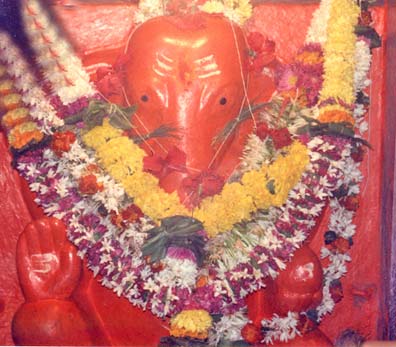
Ganesha
One of the Ashtavinayak Temples, Swayambu Idol, Pilgrimage Site
Peshwa
Magha Chaturthi, Maghi Utsav
Ramji Mahadev Biwalkar
Elephant Idols Guarding the Four Sides
Adjoining Lake
About Varadvinayak
Varadvinayak Temple
The Varadvinayak Temple, also known as Varadavinayaka, is a significant Hindu shrine located in Mahad village, within the Raigad District of Maharashtra, India. It holds a prominent place as one of the Ashtavinayak temples, a group of eight revered Ganesha shrines. The temple is situated in Khalapur taluka, near the towns of Karjat and Khopoli.
Legend and Origin
According to legend, the idol of Varadavinayaka is 'swayambu,' meaning it is self-originated. It was discovered submerged in the adjoining lake in 1690 AD. The temple itself is said to have been restored by Subhedar Ramji Mahadev Biwalkar in 1725 AD. The temple's origin is also tied to the sage Gritsamada, who, after a series of divine interventions and curses, prayed to Lord Ganesha in a forest. Pleased by his penance, Ganesha granted him a boon and agreed to reside permanently in the forest, where Gritsamada built a temple and installed the idol known as Varadavinayaka. This forest is now known as Bhadraka.
Temple Features and Worship
The temple's idol faces east and has its trunk turned to the left. A unique feature of the shrine is an oil lamp that is said to have been burning continuously since 1892. The temple complex also houses idols of Mushika (Ganesha's vahana), Navagraha Devatas, and a Shivalinga. Four elephant idols stand guard at the four corners of the temple. A notable aspect for devotees is the ability to enter the Garbhagriha (sanctum sanctorum) and offer prayers directly to the idol. The temple attracts large crowds, especially during festivals like Magha Chaturthi and Maghi Utsav, with a belief that consuming the prasad during Maghi Chaturthi can bless devotees with a son.
Source: Wikipedia ↗
Frequently Asked Questions
What is the significance of the Varadvinayak Temple?
The Varadvinayak Temple is one of the eight revered Ashtavinayak temples dedicated to Lord Ganesha. It is considered significant due to its swayambu idol and the legend associated with its origin, which promises blessings for devotees.
When was the Varadvinayak Temple built or restored?
The temple was restored in 1725 AD by Peshwa General Ramji Mahadev Biwalkar. The idol itself was found in an immersed state in a lake in 1690 AD.
What is unique about the idol at Varadvinayak Temple?
The idol of Lord Ganesha at Varadvinayak is 'swayambu', meaning it is self-originated and was found naturally in the adjoining lake. It faces east with its trunk turned to the left.
Are there any special traditions or beliefs associated with Varadvinayak Temple?
Legend states that consuming the coconut prasad received during Maghi Chaturthi can bless devotees with a son. This makes the temple especially popular during the Maghi Utsav.
Can devotees enter the sanctum sanctorum at Varadvinayak Temple?
Yes, in this Ashtavinayak Temple, devotees are permitted to enter the Garbhagriha to offer their respects and pay homage to the idol personally.
Related Temples (Hindu)

Taraknath Temple
The Taraknath Temple, located in Tarakeswar, West Bengal, India, is a significant Hindu pilgrimage site dedicated to Lord Shiva, worshiped here as Tarakanatha. Constructed in 1729, it features a distinct Bengal architectural style with an 'atchala' structure and an adjacent 'natmandir'. The temple is renowned for its belief that a dip in the nearby Dudhpukur tank fulfills prayers and is considered one of the 64 Jyotirlingas.

Ugratara Devalaya
Ugratara Devalaya is a significant Shakti shrine located in Guwahati, Assam, India, dedicated to the goddess Ugratara. Legend connects the temple to the navel of Sati, and it is noted for its unique representation of the deity as a water-filled pit rather than an idol.

Tara Devi Temple
Tara Devi Temple is a prominent Hindu religious site located at an altitude of 7200 feet above sea level near Shimla, India. The temple is dedicated to Goddess Tara Devi and is believed to grant blessings and fulfill the wishes of devotees who visit with unwavering faith. It is a popular destination, drawing thousands of visitors, especially on weekends.