
Unakoti
Unakoti is an ancient Shaivite sculptural site in Tripura, India, renowned for its rock-carved figures and images of gods and goddesses. The site's name, meaning "one less than one crore," is derived from local legends about its creation, and it was added to the UNESCO World Heritage Site tentative list in 2022.
Key Facts
- ›Features rock-carved figures and stone images, including a central Shiva head (Unakotiswara Kal Bhairava) and Ganesha figures.
- ›The central Shiva head is approximately 30 feet high, with its head-dress being 10 feet high.
- ›The bas relief sculptures are stylistically attributed to the 7th–9th century CE, during the Pre-Manikya rule.
- ›An inscription in Bengali characters from the 11th–12th century CE has been found, mentioning a pilgrim named Sri Jayadeva.
- ›The site is associated with legends involving Lord Shiva and a sculptor named Kallu Gurjar.
- ›It hosts the annual Ashokastami Mela in April, attracting thousands of pilgrims.
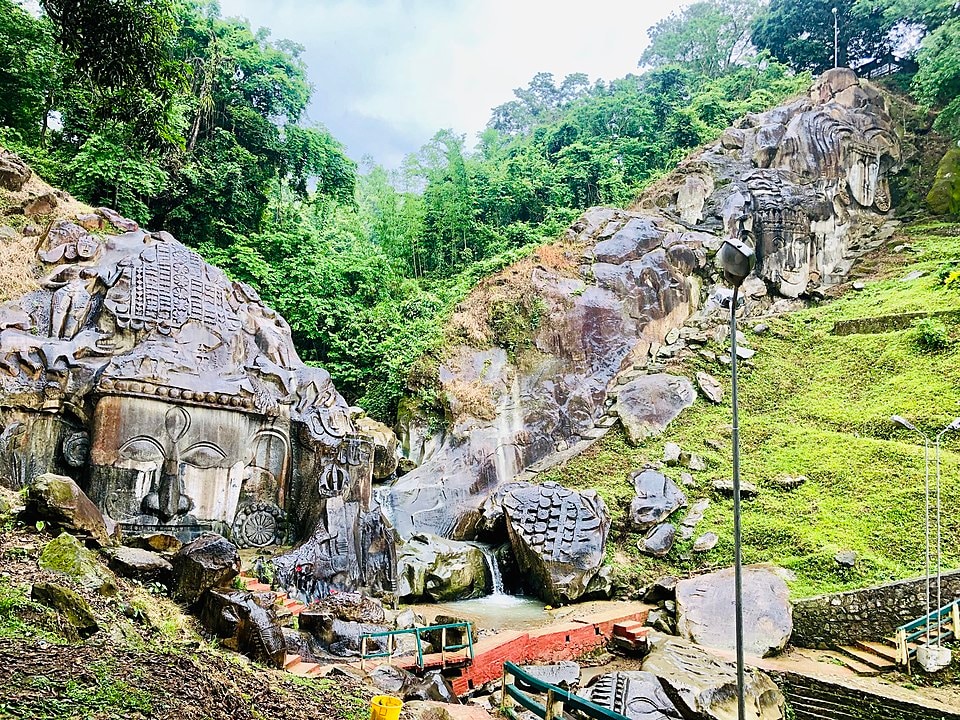
Shiva, Durga, Ganesha
- Ancient Shaivite Sculptural Site
- Rock Carvings and Figures of Gods and Goddesses
- Unesco World Heritage Site Tentative List
- Prime Tourist Spot of Unakoti District
Deva Dynasty of Sribhumi
Ashokastami Mela, January Festival
Rock, Stone
Deva Dynasty of Sribhumi, Kallu Gurjar
Unakotiswara Kal Bhairava, Ganesha Figures, Female Figures, Nandi Bull Images
About Unakoti
Unakoti, also known locally as Subrai Khung, is a significant ancient sculptural emblem and Shaivite pilgrimage site located in the northeastern Indian state of Tripura. It is distinguished by its extensive collection of rock carvings, figures, and images of Hindu deities, making it a prime tourist destination within the Unakoti District.
Sculptural Heritage and Chronology
The site's most striking features are its bas relief sculptures, which are stylistically attributed to the 7th–9th century CE, during the period of Pre-Manikya rule. These rock carvings were patronized by the Deva Dynasty of Sribhumi in Samatata. Among the notable rock-cut carvings are the central Shiva head, known as Unakotiswara Kal Bhairava, which stands about 30 feet high including its headdress, and colossal figures of Ganesha. Flanking the Shiva head are full-size female figures, one identified as Durga standing on a lion. Three enormous images of Nandi Bull are also found partially buried.
Legends and Naming
The name "Unakoti" literally means "one less than one crore" (or ten million) in Hindi and Bengali. Local legends offer explanations for this name. One popular legend recounts Lord Shiva spending a night at the site with 99,99,999 gods and goddesses. Cursing them to turn to stone for failing to wake up for their journey to Kashi, he left them behind. Another legend attributes the creation of the idols to a sculptor named Kallu Gurjar, who was tasked by Parvati to create one crore idols in a single night. He fell short by one, leading Shiva to leave him with his unfinished work at Unakoti.
Festivals and Pilgrimage
Unakoti serves as an important pilgrimage destination. Annually, a large fair known as the Ashokastami Mela is held in April, attracting thousands of devotees and visitors. A smaller festival also takes place in January.
Preservation and Recognition
Despite suffering from centuries of neglect, which led to degradation of the rock art, efforts are underway for its preservation. The Archaeological Survey of India (ASI) has adopted the site as a heritage site, and the central government has granted funds for its development as a major tourist destination. Recognizing its cultural and historical importance, Unakoti was added to the tentative list of UNESCO World Heritage Sites in December 2022.
Source: Wikipedia ↗
Frequently Asked Questions
What is the meaning of the name Unakoti?
Unakoti literally translates to "one less than one crore" or "one less than ten million" in Hindi and Bengali. In the local Kokborok language, the site is known as Subrai Khung.
What are the main attractions at Unakoti?
The primary attractions are the numerous rock-carved figures and stone images. Notable among these are the central Shiva head, known as Unakotiswara Kal Bhairava, and colossal Ganesha figures.
When were the sculptures at Unakoti created?
Based on stylistic analysis, the rock-carved sculptures are believed to date back to the 7th–9th century CE, a period preceding the Manikya rule. An inscription found at the site dates to the 11th–12th century CE.
What legends are associated with Unakoti?
One prominent legend states that Lord Shiva, accompanied by 99,99,999 gods and goddesses, spent a night here. Cursed to turn to stone for not waking up on time, they became the figures seen today. Another legend attributes the creation to a sculptor named Kallu Gurjar who failed to complete one crore idols by dawn.
Are there any significant festivals held at Unakoti?
Yes, a significant annual fair known as the Ashokastami Mela takes place in April, drawing thousands of pilgrims. A smaller festival is also held in January.
Is Unakoti a UNESCO World Heritage Site?
Unakoti was added to the tentative list of UNESCO World Heritage Sites in December 2022, indicating its potential for future designation.
Related Temples (Hindu)

Tanot Mata Temple
The Tanot Mata Temple is a significant Hindu shrine located in the Jaisalmer district of Rajasthan, India, near the Pakistan border. Revered as a form of Goddess Hinglaj Mata, the temple is famously associated with the Indian victories in the Indo-Pakistani Wars of 1965 and 1971, with local folklore attributing the successful outcomes to divine intervention. The Border Security Force of India now manages the temple complex, which also includes a victory tower and a war museum.

Kumararama
The Kumararama Temple, also known as Bhimarama or Chalukya Kumararama Bhimeswara Temple, is a significant Hindu temple dedicated to Lord Shiva, located in Samalkota, Andhra Pradesh. It is one of the five Pancharama Kshetras and is renowned for its unique limestone Shiva Lingam, which is 16 feet tall and pierces through the roof to the second floor.
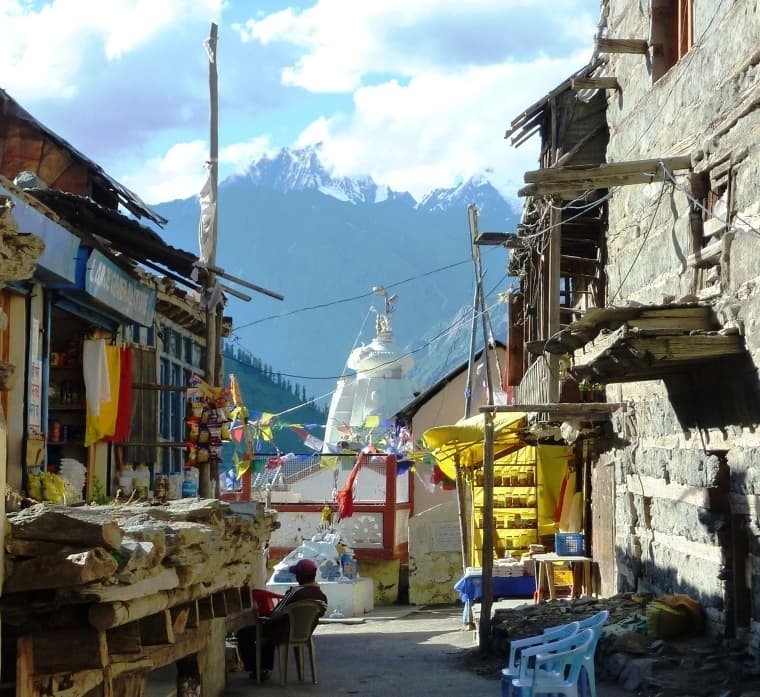
Triloknath Temple
The Triloknath Temple, located in Himachal Pradesh, India, is a significant religious site revered by both Tibetan Buddhists and Hindus. Originally believed to be a Buddhist vihara, it now houses a marble statue of Avalokiteshvara, worshipped as Shiva by Hindus and as Avalokiteshvara by Buddhists. The temple's architecture and history suggest a blend of influences, with its columns dating to the 9th century CE.