
Tulja Bhavani Temple
The Shree Tulaja Bhavani Temple is a 12th-century Hindu temple dedicated to Goddess Bhavani, located on the banks of the Mandakini River in Tuljapur, Maharashtra. It is considered one of the 51 Shakti Pithas and is one of the four great Shaktipithas of Maharashtra, drawing millions of pilgrims annually.
Key Facts
- ›The temple was built in the 12th century CE by Mahamandaleshwara Māradadeva of the Kadamb dynasty.
- ›It is dedicated to Goddess Bhavani, a form of Goddess Durga, also known as Tulaja, Turaja, Tvarita, and Amba.
- ›The temple is situated on the Yamunachala Hill in the Balaghat Range, on the banks of the Mandakini River.
- ›It is considered one of the 51 Shakti Pithas and one of the four major Shaktipithas in Maharashtra.
- ›The idol of Goddess Tulja Bhavani is three-feet tall, made of granite, and has eight arms.
- ›The temple complex includes several other shrines, such as those dedicated to Markandeya Rishi, Adi Maya Adi Shakti, and Yamai Devi.

Bhavani, Durga
- One of the 51 Shakti Pithas
- One of the Four Great Shaktipithas of Maharashtra
- Major Pilgrimage Site
Kadamb Dynasty
Navratri, Dussera
Granite
Mahamandaleshwara MāRadadeva
- Idol of Goddess Tulja Bhavani with eight arms holding weapons and the head of Mahishasura
Mandakini River
About Tulja Bhavani Temple
Shree Tulaja Bhavani Temple
The Shree Tulaja Bhavani Temple is a significant 12th-century Hindu temple located in Tuljapur, within the Dharashiv district of Maharashtra, India. This temple is dedicated to Goddess Bhavani, a form of the Hindu deity Durga, and is revered as one of the 51 Shakti Pithas. It is situated on the Yamunachala Hill of the Balaghat Range, on the banks of the Mandakini River.
Historical and Religious Significance
Constructed in the 12th century CE by Mahamandaleshwara Māradadeva of the Kadamb dynasty, the temple holds immense religious importance. It is recognized as one of the four great Shaktipithas of Maharashtra, alongside the Renuka temple at Mahur, Mahalaxmi temple at Kolhapur, and Saptashringi temple at Vani. The Goddess Bhavani is considered a kuldevi (clan goddess) for numerous Maratha clans and is a family deity for many other castes in Maharashtra.
Temple Architecture and Features
The central shrine houses a three-feet tall granite idol of Goddess Tulja Bhavani. This idol is depicted with eight arms, each holding a weapon, and bears the head of the slain demon Mahishasura. The temple complex features three main entrances: the Sardar Nimbalkar entrance, the Shahaji entrance, and the Jijabai entrance, named after prominent figures in Maratha history. Within the complex, devotees can also visit shrines dedicated to Markandeya Rishi, Adi Maya Adi Shakti, Siddhi Vinayak, and Yamai Devi, the elder sister of Goddess Bhavani.
Rituals and Pilgrimage
The temple observes elaborate daily rituals, including ritual baths, changing of clothes, and offering food to the deity four times a day. Special occasions are marked by processions of the idol, and during the Navratri festival, animal sacrifices are performed in honor of the goddess. As a major pilgrimage destination, the Tulja Bhavani Temple attracts an estimated 150 million pilgrims annually, making it a vital center of devotion and religious practice in India.
Source: Wikipedia ↗
Frequently Asked Questions
When was the Tulja Bhavani Temple built?
The main Bhavani temple was built in the 12th century CE. The temple's history is linked to the Kadamb dynasty, with construction attributed to Mahamandaleshwara Māradadeva.
Who is Goddess Bhavani?
Goddess Bhavani, meaning 'giver of life,' is a form of Goddess Durga. She is revered as a mother goddess who provides for her devotees and dispenses justice by defeating demons. She is also known by other names such as Tulaja, Turaja, Tvarita, and Amba.
What is the significance of the Tulja Bhavani Temple?
The temple is significant as one of the 51 Shakti Pithas and is considered one of the four great Shaktipithas of Maharashtra. It is a major pilgrimage site, attracting a large number of devotees.
What are the main architectural features of the Tulja Bhavani Temple?
The main temple houses a three-feet tall granite idol of Goddess Tulja Bhavani, depicted with eight arms and the head of the slain demon Mahishasura. The complex has three main entrances named after Sardar Nimbalkar, Shahaji, and Jijabai.
Are there other temples dedicated to Tulja Bhavani?
Yes, there are other temples dedicated to Tulja Bhavani in India, including one at Chittorgarh Fort in Rajasthan and another at Patnakuva in Gujarat.
What rituals are performed at the Tulja Bhavani Temple?
Daily rituals include a ritual bath, change of clothes, and offering food to the deity four times a day. Special occasions involve processions of the idol, and during Navratri, goat sacrifices are performed.
Related Temples (Hindu)
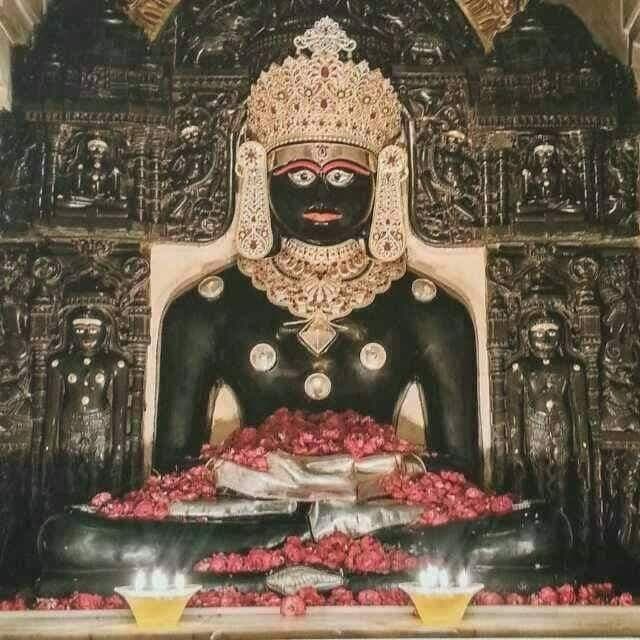
Neminath Jain Temple, Girnar
The Neminath Jain Temple, originally known as Karnavihara, is a significant Jain temple dedicated to the 24th Tirthankara, Neminatha, situated on Girnar hill in Gujarat, India. It is recognized as the foremost among the Girnar Jain temples, with its oldest existing structure dating back to the 12th century and built in the Māru-Gurjara architectural style.

Yogmaya Temple
The Yogmaya Temple, also known as Jogmaya Temple, is a Hindu temple in Mehrauli, New Delhi, dedicated to the goddess Yogmaya, an aspect of Maya and the sister of Krishna. It is considered one of the few surviving temples from the pre-Sultanate period in India and has undergone numerous reconstructions.
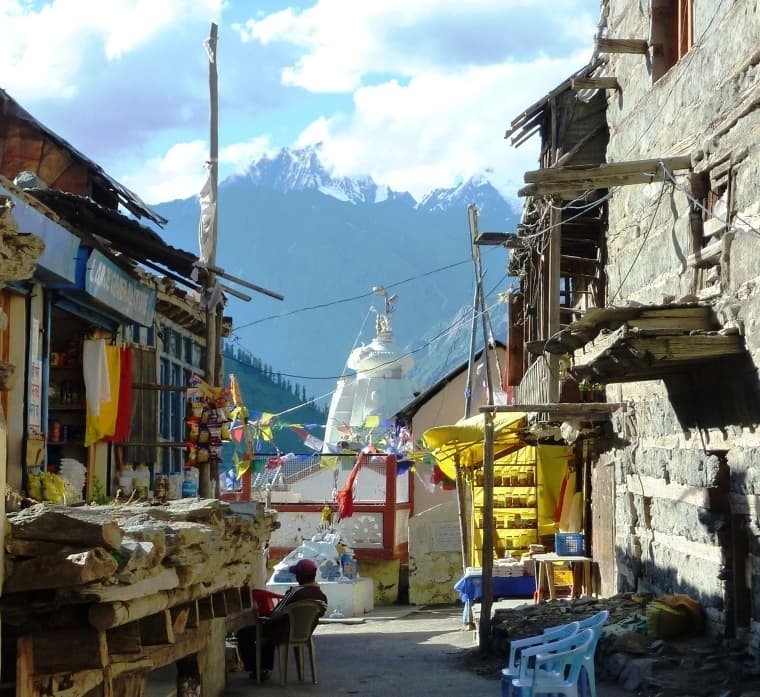
Triloknath Temple
The Triloknath Temple, located in Himachal Pradesh, India, is a significant religious site revered by both Tibetan Buddhists and Hindus. Originally believed to be a Buddhist vihara, it now houses a marble statue of Avalokiteshvara, worshipped as Shiva by Hindus and as Avalokiteshvara by Buddhists. The temple's architecture and history suggest a blend of influences, with its columns dating to the 9th century CE.