
Tirunallar Dharbaranyeswarar Temple
The Tirunallar Dharbaranyeswarar Temple, also known as Tirunallar Saniswaran Temple, is a significant Hindu temple dedicated to Lord Shiva. Located in the Karaikal district of Puducherry, India, it is particularly renowned for its shrine to Shani, the planet Saturn, and is a major pilgrimage site for those seeking to mitigate its perceived negative influences.
Key Facts
- ›Dedicated to Lord Shiva as Dharbaranyeswarar and also features a prominent shrine to Shani (Saturn).
- ›The present masonry structure dates back to the Chola dynasty in the 9th century, with later expansions by Vijayanagar rulers.
- ›It is one of the nine Navagraha temples in Tamil Nadu, associated with the planet Saturn.
- ›A key legend involves the sage Nala seeking relief from Shani's afflictions at this temple.
- ›The temple complex covers approximately 2 acres and is enclosed by concentric granite walls.
- ›It is a Paadal Petra Sthalam, revered in the Saiva canon.

Shiva, Shani
- Religious pilgrimage site for devotees of Shani
- Revered in the Saiva canon
- One of the nine Navagraha temples
Chola Dynasty, Vijayanagar Dynasty
Mahasivarathri, Sanipeyarchi
Granite
Chola Dynasty, Vijayanagar Rulers
About Tirunallar Dharbaranyeswarar Temple
The Tirunallar Dharbaranyeswarar Temple, more widely recognized as the Tirunallar Saniswaran Temple, is a significant Hindu temple situated in the village of Thirunallar, within the Karaikal district of Puducherry, Southeastern India. This temple is primarily dedicated to Lord Shiva, who is worshipped here in the form of Dharbaranyeswarar. It is particularly revered for its prominent shrine to Shani (the planet Saturn), making it a major pilgrimage destination for devotees seeking to appease or mitigate the astrological influences of Saturn.
History and Architecture
The current masonry structure of the temple was established during the 9th century under the patronage of the Chola dynasty, with subsequent expansions and additions undertaken by the Vijayanagar rulers. The temple complex spans approximately 2 acres and is entered through a grand, five-tiered gopuram, the main gateway. The main shrines, including those dedicated to Shiva as Dharbaranyeswarar, his consort Praneswari Amman, Shani, and Somaskanda, are all enclosed within substantial concentric rectangular walls constructed from granite. The sanctum itself houses the aniconic form of Shiva as a lingam, believed to have been formed from darba grass.
Religious Significance and Legends
The temple holds considerable religious importance and is classified as a Paadal Petra Sthalam, meaning it is one of the 275 Shiva temples praised in the hymns of the Saiva canon. It is also recognized as one of the nine Navagraha temples in Tamil Nadu, specifically representing the planet Saturn. Hindu legend narrates the story of the sage Nala, who ruled the region known as Darbaranyam and sought divine intervention from Lord Shiva at this temple to escape the afflictions caused by Shani. Devotees often perform rituals such as taking a holy dip in the temple tank, Nala Theertham, and wearing black attire as part of their pilgrimage to appease Shani.
Worship and Festivals
The Tirunallar Dharbaranyeswarar Temple observes six daily rituals throughout the day, from early morning to late evening, and hosts four major annual festivals. The most significant festival for the presiding deity, Shiva, is Mahasivarathri, which falls in the month of Chittirai (March-April). For Shani, the Sanipeyarchi festival, occurring every 2.5 years with the planetary transit of Saturn, is the paramount event. The temple is maintained and administered by the Department of Hindu Religious Institutions under the Government of Puducherry.
Source: Wikipedia ↗
Frequently Asked Questions
What is the primary deity worshipped at Tirunallar Dharbaranyeswarar Temple?
The primary deity is Lord Shiva, worshipped here as Dharbaranyeswarar. The temple also has a very prominent shrine dedicated to Shani, the planet Saturn, making it a significant site for devotees of Shani.
What is the historical significance of the Tirunallar Dharbaranyeswarar Temple?
The present masonry structure was built during the Chola dynasty in the 9th century, with later expansions attributed to the Vijayanagar rulers. It is also revered in the Saiva canon as a Paadal Petra Sthalam, having been praised by ancient Tamil Saivite poets.
What is the legend associated with the temple and the sage Nala?
According to legend, the sage Nala resided in this region, which was covered in Darba grass, and sought refuge at the temple to alleviate the negative effects of Saturn's planetary movement on his life. He prayed to Shiva for protection for all devotees afflicted by Shani.
What are the most important festivals celebrated at the temple?
The most prominent festival for the presiding deity, Shiva, is Mahasivarathri, celebrated during the month of Chittirai (March-April). For Shani, the Sanipeyarchi festival, which occurs every 2.5 years when Saturn transits to a new zodiac sign, is the most significant.
What are the architectural features of the Tirunallar Dharbaranyeswarar Temple?
The temple has a rectangular plan and features a five-tiered rajagopuram (gateway tower). All shrines are enclosed within concentric granite walls. The presiding deity, Dharbaranyeswarar, is in the form of a lingam.
Why is this temple considered a Navagraha temple?
Tirunallar Dharbaranyeswarar Temple is one of the nine Navagraha temples in Tamil Nadu and is specifically associated with the planet Saturn (Shani). It is a key destination for the popular Navagraha pilgrimage circuit in the state.
Related Temples (Hindu)

Tanot Mata Temple
The Tanot Mata Temple is a significant Hindu shrine located in the Jaisalmer district of Rajasthan, India, near the Pakistan border. Revered as a form of Goddess Hinglaj Mata, the temple is famously associated with the Indian victories in the Indo-Pakistani Wars of 1965 and 1971, with local folklore attributing the successful outcomes to divine intervention. The Border Security Force of India now manages the temple complex, which also includes a victory tower and a war museum.

Kumararama
The Kumararama Temple, also known as Bhimarama or Chalukya Kumararama Bhimeswara Temple, is a significant Hindu temple dedicated to Lord Shiva, located in Samalkota, Andhra Pradesh. It is one of the five Pancharama Kshetras and is renowned for its unique limestone Shiva Lingam, which is 16 feet tall and pierces through the roof to the second floor.
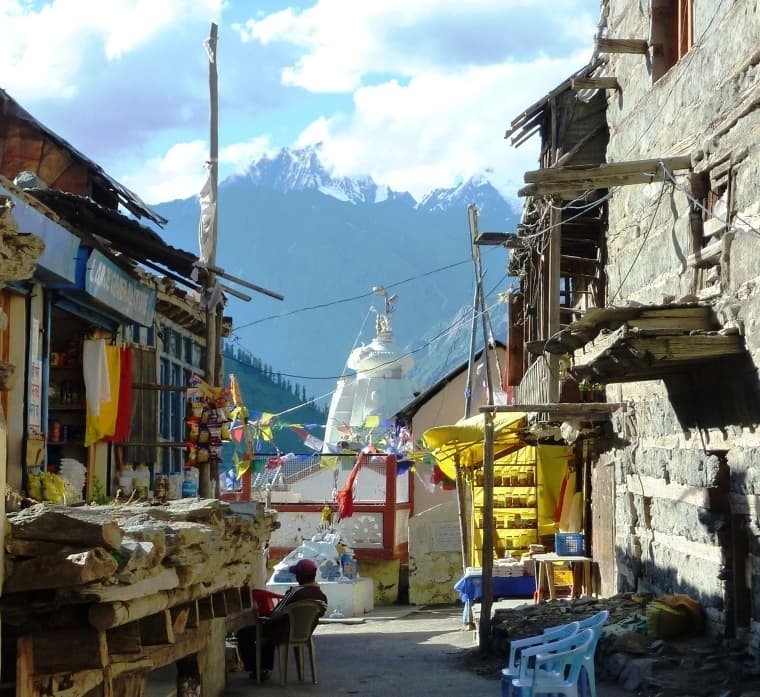
Triloknath Temple
The Triloknath Temple, located in Himachal Pradesh, India, is a significant religious site revered by both Tibetan Buddhists and Hindus. Originally believed to be a Buddhist vihara, it now houses a marble statue of Avalokiteshvara, worshipped as Shiva by Hindus and as Avalokiteshvara by Buddhists. The temple's architecture and history suggest a blend of influences, with its columns dating to the 9th century CE.