
Thousand Pillar Temple
The Thousand Pillar Temple, also known as Rudreswara Swamy Temple, is a historical Hindu temple located in Hanamakonda, Telangana, India. Constructed by the Kakatiya king Rudra Deva, it is dedicated to Shiva, Vishnu, and Surya, collectively worshipped as the Trikutalayam. The temple is renowned for its intricate architecture, featuring one thousand carved pillars, and has been recognized as a tentative UNESCO World Heritage site.
Key Facts
- ›Dedicated to Shiva, Vishnu, and Surya, collectively known as Trikutalayam.
- ›Constructed between 1175 and 1324 CE by Kakatiya King Rudra Deva.
- ›Features a star-shaped floor plan and a triple shrine (Trikutalaya).
- ›Known for its one thousand intricately carved pillars.
- ›Incorporates elements of later Chalukyan and early Kakatiyan architecture.
- ›Recognized as a tentative UNESCO World Heritage site along with Warangal Fort.

Shiva, Vishnu, Surya
- Architectural Example of Kakatiyan Art and Sculpture
- Tentative Unesco World Heritage Site
- Historical Religious Site
Kakatiya Dynasty
Dolerite, Granite
Rudra Deva
Carved Pillars, Perforated Screens, Exquisite Icons, Rock Cut Elephants, Monolithic Dolerite Nandi
About Thousand Pillar Temple
The Thousand Pillar Temple, also known as Rudreswara Swamy Temple or Veyyi Stambhāla Guḍi in Telugu, is a significant historical Hindu temple located in Hanamkonda, Telangana, India. It stands as one of the earliest surviving examples of Kakatiya art, architecture, and sculpture, reflecting the artistic prowess of the era.
History and Patronage
The temple is believed to have been constructed between 1175 and 1324 CE under the patronage of the Kakatiya rulers, with King Rudra Deva credited as its commissioner. The Kakatiya dynasty, known for fostering the development of numerous Hindu temples, left a lasting architectural legacy. The Thousand Pillar Temple, dedicated primarily to Shiva, also venerates Vishnu and Surya, collectively known as the Trikutalayam. The temple suffered desecration during the Tughlaq dynasty's invasion of the Deccan but was later supported by a substantial donation from Mir Osman Ali Khan, the 7th Nizam of Hyderabad, for its reconstruction.
Architecture and Design
Built in the style of later Chalukyan and early Kakatiyan architecture, the temple is distinguished by its star-shaped floor plan and a triple-shrined design (Trikutalaya). It famously features one thousand intricately carved pillars, contributing to its name. The temple's architecture is further enhanced by richly carved pillars, perforated screens, exquisite icons, rock-cut elephants, and a monolithic dolerite Nandi. The craftsmanship is evident in the adroit skill of Kakatiya sculptors, particularly in their flawless ivory carving techniques and the lathe-turned, polished dolerite and granite stone sculptures found in the Nava Rangamandapa.
Significance and Recognition
The Thousand Pillar Temple is recognized for its architectural and historical importance. Alongside the Warangal Fort and the Kakatiya Kala Thoranam, it has been added to the tentative list of UNESCO World Heritage sites, highlighting its global cultural value. The temple underwent renovation in 2004 by the Government of India, with ongoing efforts by the Archaeological Survey of India and modern engineers for its preservation and further restoration.
Source: Wikipedia ↗
Frequently Asked Questions
What is the primary deity worshipped at the Thousand Pillar Temple?
The Thousand Pillar Temple is dedicated to three Hindu deities: Shiva, Vishnu, and Surya. They are collectively known as the Trikutalayam, indicating their unified worship at this site.
Who commissioned the construction of the Thousand Pillar Temple?
The temple was believed to have been constructed by the order of the Kakatiya king Rudra Deva. The patronage of Kakatiya rulers like Ganapati Deva and Rudrama Devi was significant for the development of many Hindu temples.
What architectural style is characteristic of the Thousand Pillar Temple?
The temple is built in the style of later Chalukyan and early Kakatiyan architecture. It features a distinctive star-shaped plan and a triple-shrined (Trikutalaya) design, showcasing the art and sculpture of the Kakatiya period.
Has the Thousand Pillar Temple been recognized by UNESCO?
Yes, the Thousand Pillar Temple, along with the Warangal Fort and the Kakatiya Kala Thoranam, has been added to the tentative list of UNESCO World Heritage sites.
What notable features are found within the temple complex?
The temple complex is distinguished by its one thousand carved pillars, richly detailed screens, exquisite icons, and rock-cut elephants. A monolithic dolerite Nandi is also a significant component of the temple's artistry and architecture.
What historical events have impacted the Thousand Pillar Temple?
The temple was desecrated by the Tughlaq dynasty during their invasion of the Deccan. Later, the 7th Nizam of Hyderabad, Mir Osman Ali Khan, provided a significant grant for its reconstruction.
Related Temples (Hindu)
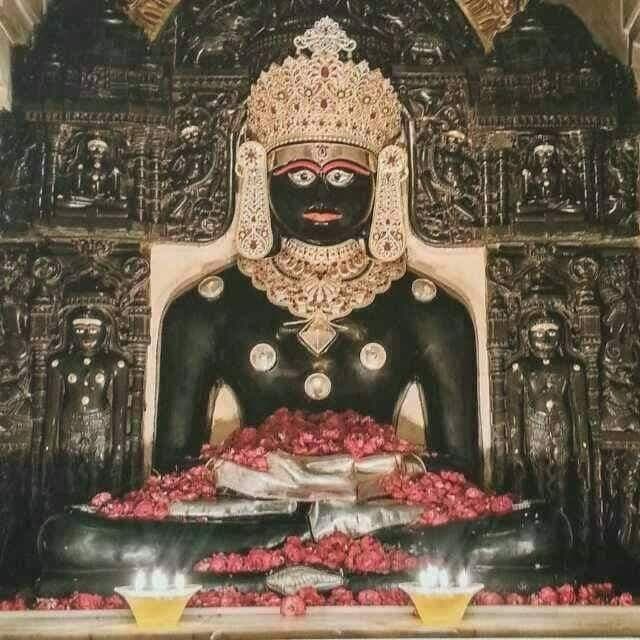
Neminath Jain Temple, Girnar
The Neminath Jain Temple, originally known as Karnavihara, is a significant Jain temple dedicated to the 24th Tirthankara, Neminatha, situated on Girnar hill in Gujarat, India. It is recognized as the foremost among the Girnar Jain temples, with its oldest existing structure dating back to the 12th century and built in the Māru-Gurjara architectural style.

Yogmaya Temple
The Yogmaya Temple, also known as Jogmaya Temple, is a Hindu temple in Mehrauli, New Delhi, dedicated to the goddess Yogmaya, an aspect of Maya and the sister of Krishna. It is considered one of the few surviving temples from the pre-Sultanate period in India and has undergone numerous reconstructions.

Triloknath Temple
The Triloknath Temple, located in Himachal Pradesh, India, is a significant religious site revered by both Tibetan Buddhists and Hindus. Originally believed to be a Buddhist vihara, it now houses a marble statue of Avalokiteshvara, worshipped as Shiva by Hindus and as Avalokiteshvara by Buddhists. The temple's architecture and history suggest a blend of influences, with its columns dating to the 9th century CE.