
Sundha Mata Temple
Dilwara-inspired·12th century·India
The Sundha Mata Temple is a nearly 900-year-old Hindu temple dedicated to Goddess Chamunda, situated on Sundha hill in the Jalore District of Rajasthan, India. Constructed with white marble, its pillars bear resemblance to the Dilwara temples, and it holds significant historical inscriptions dating back to the 13th century. The temple is a popular pilgrimage site, particularly during Navaratri, and is now accessible via Rajasthan's first ropeway service.
Key Facts
- ›The temple is dedicated to Goddess Chamunda, worshipped as Sundha Mata.
- ›It is located on a hilltop in the Aravalli ranges at an elevation of 1,220 meters.
- ›The temple's architecture features white marble and pillars reminiscent of Dilwara temples.
- ›Historically significant inscriptions from AD 1262, 1326, and 1727 are found within the temple premises.
- ›The temple was constructed by Dewal Pratiharas with assistance from the Imperial Chauhans of Jalore.
- ›A ropeway service, the first in Rajasthan, has been installed to facilitate easier access for pilgrims.
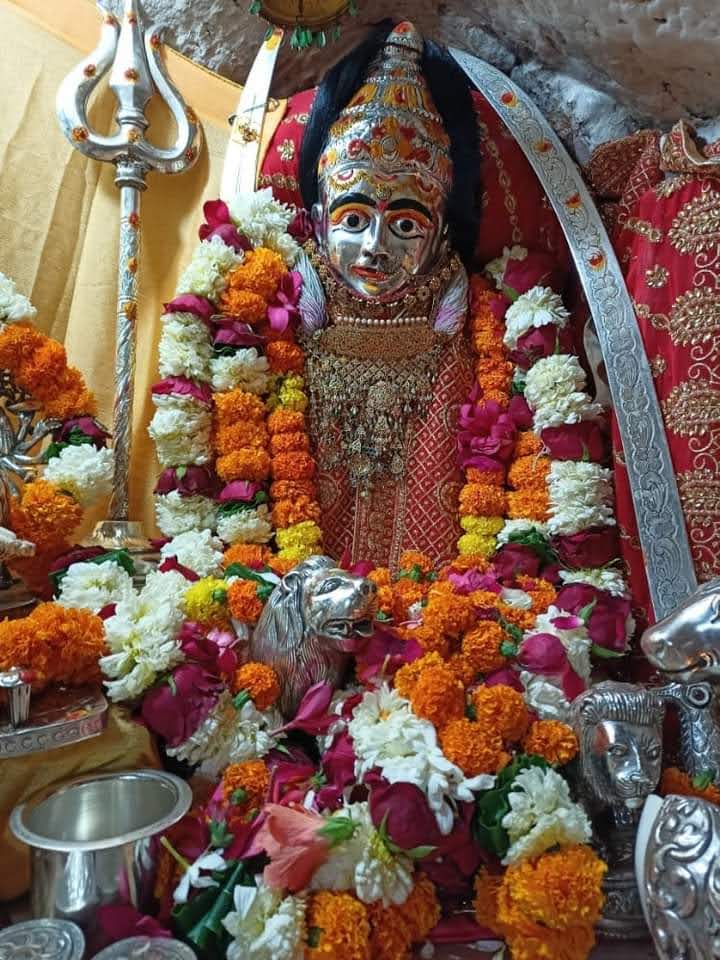
Chamunda Devi, Sundha Mata
Historical Inscriptions, Pilgrimage Destination, Architectural Resemblance To Dilwara Temples
Dewal Pratiharas, Imperial Chauhans of Jalore
Navaratri
White Marble
Dewal Pratiharas, Imperial Chauhans of Jalore
Idol of Goddess Chamunda
Waterfalls
About Sundha Mata Temple
The Sundha Mata Temple is a significant Hindu pilgrimage site dedicated to Goddess Chamunda, revered as Sundha Mata. Located atop Sundha hill in the Aravalli ranges of Rajasthan's Jalore District, the temple stands at an elevation of 1,220 meters. Its nearly 900-year-old structure is renowned for its architecture, featuring white marble and pillars that evoke the style of the Dilwara temples.
Historical Significance
The temple holds considerable historical importance, evidenced by three notable inscriptions found within its premises. These inscriptions, dating from AD 1262, 1326, and 1727, provide valuable insights into the region's history, including the victories of the Chauhans and the decline of the Parmaras. The temple's construction is attributed to the Dewal Pratiharas, with the support of the Imperial Chauhans of Jalore. Historically, worship was conducted by Nath Yogis, with land grants and responsibilities passed down through generations of yogis until a trust was established to manage the temple and its tourism.
Religious and Tourist Appeal
Sundha Mata Temple is a popular destination for devotees from Rajasthan, Gujarat, and across India, with a particularly large influx of visitors during the Navaratri festival. The natural environment surrounding the temple is described as fresh and attractive, with waterfalls flowing year-round. To enhance accessibility, a ropeway service, the first of its kind in Rajasthan, has been installed, making the journey to the hilltop temple more convenient for pilgrims and tourists alike. Community halls are also available for devotees to rest and enjoy the scenic mountain views.
Source: Wikipedia ↗
Frequently Asked Questions
Where is the Sundha Mata Temple located?
The Sundha Mata Temple is situated on a hilltop called Sundha in the Jalore District of Rajasthan, India. It is located at longitude 72.367°E and latitude 24.833°N, approximately 64 km from Mount Abu and 20 km from Bhinmal.
What is the history behind the Sundha Mata Temple?
The temple is nearly 900 years old and was constructed by Dewal Pratiharas with the help of the Imperial Chauhans of Jalore. Three historically significant inscriptions from AD 1262, 1326, and 1727 highlight the region's history.
What is the architectural style of the Sundha Mata Temple?
The Sundha Mata Temple is constructed from white marble. Its pillars are noted for their resemblance to the art found in the Dilwara temples. An idol of Goddess Chamunda is enshrined within the temple, with her head being the primary object of worship.
Who are the primary deities worshipped at Sundha Mata Temple?
The primary deity worshipped at the Sundha Mata Temple is Goddess Chamunda, who is venerated by devotees as Sundha Mata. An idol of Chamunda Devi stands within the temple, and notably, only her head is worshipped there.
When is the best time to visit Sundha Mata Temple?
Many devotees visit the temple throughout the year. During the Navaratri festival, large numbers of tourists and pilgrims from Gujarat and nearby areas come to the temple, with special bus services arranged during this period.
What amenities are available for visitors at Sundha Mata Temple?
A community hall has been established by the Sundha Mata Trust for devotees to rest. Recently, a ropeway service, the first in Rajasthan, was introduced to make the ascent up Sundha Mountain easier for pilgrims.
Related Temples (Hindu)
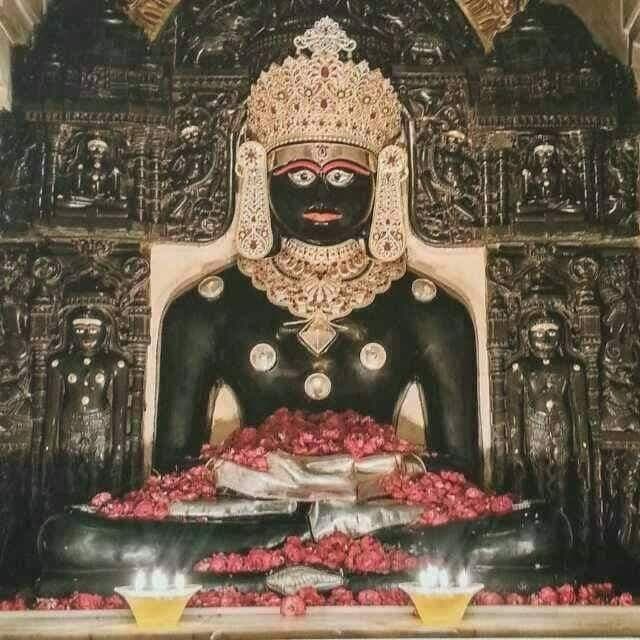
Neminath Jain Temple, Girnar
The Neminath Jain Temple, originally known as Karnavihara, is a significant Jain temple dedicated to the 24th Tirthankara, Neminatha, situated on Girnar hill in Gujarat, India. It is recognized as the foremost among the Girnar Jain temples, with its oldest existing structure dating back to the 12th century and built in the Māru-Gurjara architectural style.

Yogmaya Temple
The Yogmaya Temple, also known as Jogmaya Temple, is a Hindu temple in Mehrauli, New Delhi, dedicated to the goddess Yogmaya, an aspect of Maya and the sister of Krishna. It is considered one of the few surviving temples from the pre-Sultanate period in India and has undergone numerous reconstructions.
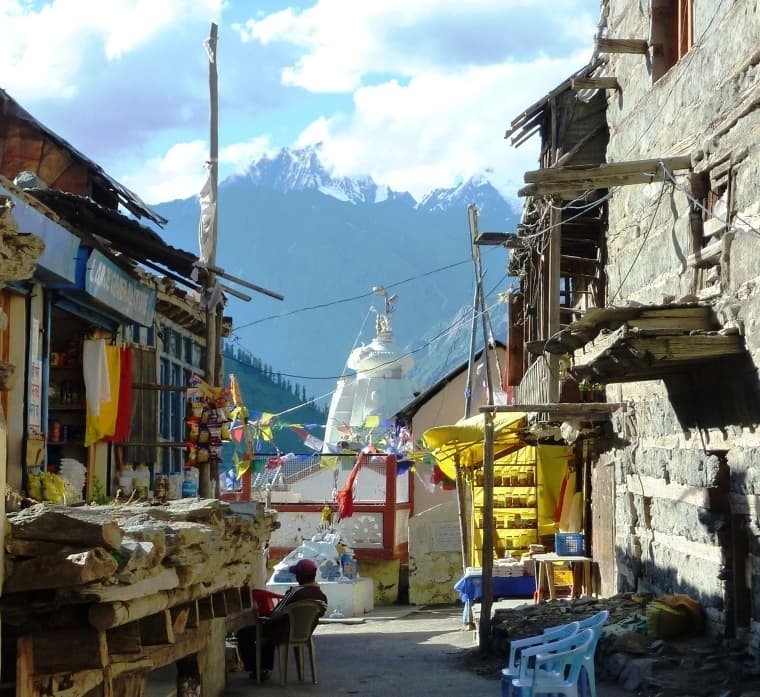
Triloknath Temple
The Triloknath Temple, located in Himachal Pradesh, India, is a significant religious site revered by both Tibetan Buddhists and Hindus. Originally believed to be a Buddhist vihara, it now houses a marble statue of Avalokiteshvara, worshipped as Shiva by Hindus and as Avalokiteshvara by Buddhists. The temple's architecture and history suggest a blend of influences, with its columns dating to the 9th century CE.