
Sun Temple, Modhera
The Sun Temple in Modhera, Gujarat, India, is a 11th-century Hindu temple dedicated to the solar deity Surya. Renowned for its intricate Māru-Gurjara architecture, the temple complex features a shrine hall, an assembly hall, and a stepped reservoir, all adorned with detailed carvings. Although no longer an active place of worship, it is a protected monument maintained by the Archaeological Survey of India and a tentative UNESCO World Heritage Site.
Key Facts
- ›Dedicated to the Hindu solar deity Surya.
- ›Constructed in the 11th century during the reign of Bhima I of the Chaulukya dynasty.
- ›Features Māru-Gurjara architectural style, also known as Chaulukya style.
- ›Comprises a shrine hall (Gūḍhamanḍapa), an assembly hall (Sabhamanḍapa), and a stepped reservoir (Kuṇḍa).
- ›No longer used for worship and is maintained by the Archaeological Survey of India.
- ›Added to the tentative list of UNESCO World Heritage Sites in December 2022.
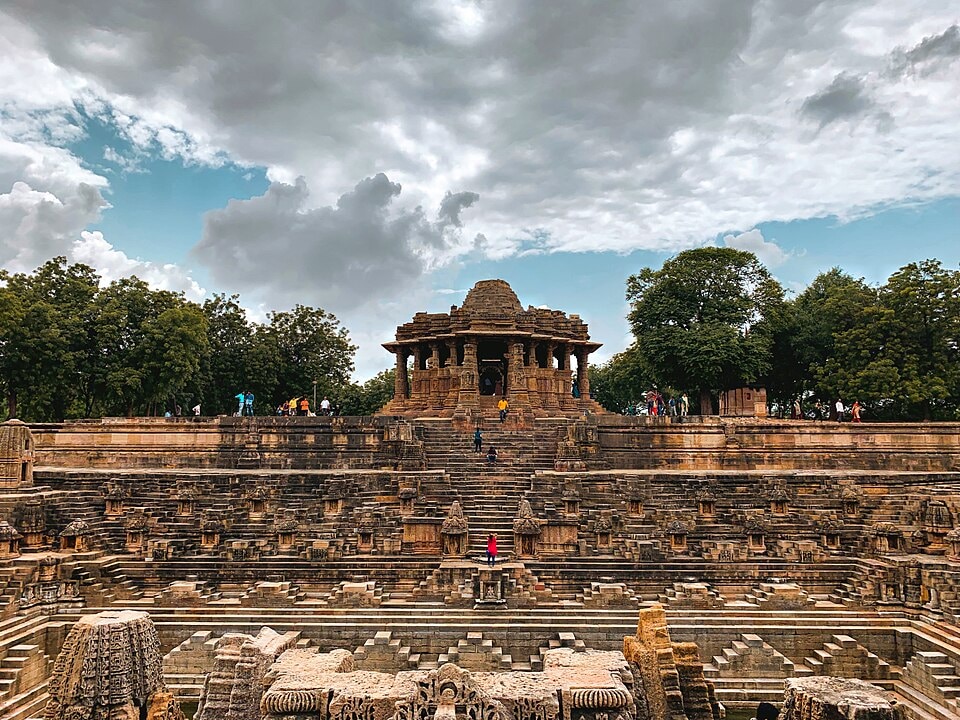
Surya
- Architectural Marvel of the MāRu-Gurjara Style.
- Dedication To the Solar Deity Surya.
- Historical Site of A Defense Against Mahmud of Ghazni.
- Tentative Unesco World Heritage Site.
Chaulukya Dynasty
Uttarardha Mahotsav
Stone
Bhima I, Karna I
Figures of Surya, Figures of Ganesha, Figures of Kubera, Dancers, Amorous Couples, Elephants, Human Figures, Various Gods and Goddesses, Scenes From Ramayana
Pushpavati
About Sun Temple, Modhera
The Sun Temple of Modhera is a significant Hindu temple located in the village of Modhera, within the Mehsana district of Gujarat, India. Dedicated to the solar deity Surya, the temple sits on the bank of the Pushpavati River. Its construction dates back to the 11th century, during the reign of Bhima I and Karna I of the Chaulukya dynasty.
Architecture and Components
The temple is a prime example of the Māru-Gurjara architectural style, also known as the Chaulukya style. The complex is thoughtfully designed with three distinct, axially aligned components: the Gūḍhamanḍapa (shrine hall), the Sabhamanḍapa (assembly hall or dancing hall), and the Kuṇḍa (a sacred stepped reservoir). Both the shrine hall and the assembly hall are celebrated for their intricately carved exteriors and richly decorated pillars, though their roofs have long since collapsed.
The Shrine and Assembly Halls
The Gūḍhamanḍapa, measuring approximately 51 feet 9 inches by 25 feet 8 inches, is divided between this hall and the Garbhagriha (sanctum). The outer walls are ornately decorated with various moldings, including depictions of elephants and human figures, with Surya prominently featured in niches. The Sabhamanḍapa, a parallelogram-shaped structure with 52 intricately carved pillars, is believed to have been a later addition. Its interior features a tiered ceiling and decorated arches known as toranas.
The Reservoir (Kunda)
The Kunda, also referred to as Ramakunda or Suryakunda, is a substantial rectangular reservoir paved with stones. It features multiple terraces with recessed steps leading to its bottom. The walls of the Kunda are adorned with numerous small shrines and niches housing images of various deities, including Vaishnavite gods and goddesses.
Historical Context and Significance
Historical accounts suggest that the temple's construction may have been linked to the defense against Mahmud of Ghazni's invasion around 1024–1025 CE. An inscription found on the western wall of the cella, though upside down, indicates the date 1026–1027 CE, often interpreted as a mark of destruction and subsequent reconstruction. The Garbhagriha is architecturally aligned to be illuminated by the first rays of the sun during the equinoxes. The temple is no longer an active place of worship and is maintained by the Archaeological Survey of India as a protected monument. In recognition of its cultural and architectural importance, it was added to the tentative list of UNESCO World Heritage Sites in December 2022. Since 1992, the site also hosts the annual three-day Uttarardha Mahotsav dance festival.
Source: Wikipedia ↗
Frequently Asked Questions
When was the Sun Temple at Modhera built?
The Sun Temple at Modhera was constructed in the 11th century. While an inscription suggests a date around 1026–1027 CE, this is often interpreted as a date of destruction by Mahmud of Ghazni rather than construction. The Kunda is believed to have been built earlier, at the beginning of the 11th century, with the temple proper and dancing hall added shortly after 1026 CE and in the third quarter of the 11th century, respectively.
What is the architectural style of the Sun Temple, Modhera?
The temple complex is built in the Māru-Gurjara architectural style, also referred to as the Chaulukya style. This style is characterized by intricately carved exteriors, decorated pillars, and a specific arrangement of the shrine hall, assembly hall, and reservoir.
What are the main parts of the Sun Temple complex?
The temple complex consists of three main components: the Gūḍhamanḍapa (shrine hall), the Sabhamanḍapa (assembly hall), and the Kuṇḍa (stepped reservoir). The halls are known for their elaborately carved exteriors and decorated pillars.
Is the Sun Temple at Modhera still used for worship?
No, the Sun Temple at Modhera is no longer used for worship. It is now a protected monument and is maintained by the Archaeological Survey of India.
What is the significance of the reservoir (Kunda) at Modhera?
The Kunda, also known as Ramakunda or Suryakunda, is a large, stone-paved rectangular reservoir with stepped terraces leading to the bottom. It features numerous small shrines and niches along its walls, containing images of deities, and was a significant element of the temple complex's design and ritualistic use.
What is the astronomical alignment of the temple?
The temple is architecturally aligned so that the first rays of the rising sun illuminate the image of Surya during the solar equinoxes. Additionally, on the summer solstice, the sun shines directly above the temple at noon, casting no shadow.
Related Temples (Hindu)
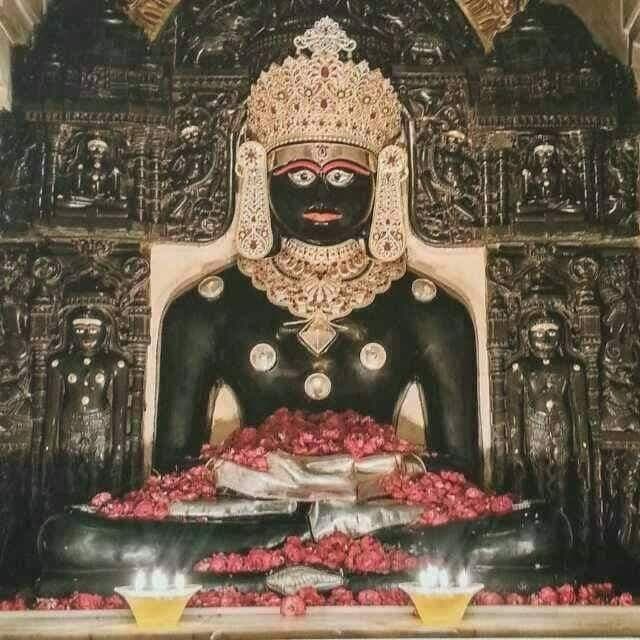
Neminath Jain Temple, Girnar
The Neminath Jain Temple, originally known as Karnavihara, is a significant Jain temple dedicated to the 24th Tirthankara, Neminatha, situated on Girnar hill in Gujarat, India. It is recognized as the foremost among the Girnar Jain temples, with its oldest existing structure dating back to the 12th century and built in the Māru-Gurjara architectural style.

Ambika Mata Temple
The Ambika Mata Temple, located in Jagat village, Rajasthan, India, is a significant Hindu temple dedicated to Ambika Devi, a form of Goddess Durga. Constructed during the reign of Rawal Allata of Mewar, it is recognized as an early example of Māru-Gurjara architecture and is often referred to as the "Khajuraho of Mewar" due to its intricate sculptures.

Rudra Mahalaya Temple
The Rudra Mahalaya Temple, also known as Rudramal, is a historically significant but desecrated Hindu temple complex located in Siddhpur, Gujarat, India. Its construction began in the 10th century and was completed in the 12th century, dedicated to the worship of Shiva. The temple suffered destruction and partial demolition by various sultans, with parts of it later converted into a congregational mosque.