
Rudra Mahalaya Temple
The Rudra Mahalaya Temple, also known as Rudramal, is a historically significant but desecrated Hindu temple complex located in Siddhpur, Gujarat, India. Its construction began in the 10th century and was completed in the 12th century, dedicated to the worship of Shiva. The temple suffered destruction and partial demolition by various sultans, with parts of it later converted into a congregational mosque.
Key Facts
- ›Construction initiated by Mularaja in 943 CE and completed by Jayasimha Siddharaja in 1140 CE.
- ›Dedicated to the worship of Shiva.
- ›Destroyed by Alauddin Khalji and later desecrated and partially demolished by Ahmed Shah I.
- ›Part of the complex was converted into a congregational mosque (Jami Masjid).
- ›Built in the Māru-Gurjara architecture style.
- ›Two torans and four pillars of the original central structure remain.

Shiva
- Historical Site of Worship
- Architectural Example of MāRu-Gurjara Style
- Site of Historical Religious Conflict and Conversion
Chaulukya Dynasty, Muzaffarid Dynasty
Mularaja, Jayasimha Siddharaja
About Rudra Mahalaya Temple
Rudra Mahalaya Temple: A Desecrated Heritage Site
The Rudra Mahalaya Temple, also identified as Rudramal, stands as a historically significant yet desecrated Hindu temple complex in Siddhpur, Gujarat, India. Its construction commenced in the 10th century, initiated by Mularaja, a founder of the Chaulukya dynasty, and was brought to completion in 1140 CE under the patronage of Jayasimha Siddharaja, a prominent ruler of the same dynasty. The temple was originally consecrated for the worship of Shiva, reflecting the religious practices and architectural achievements of the era.
History and Destruction
Siddhpur was a vital town during the Chaulukya rule, and an inscription from 986–987 CE indicates Mularaja's association with the site. While colonial accounts suggest Mularaja ordered the shrine's construction to expiate past sins, it is plausible that a place of worship existed there prior to his reign. Archaeological findings suggest that an existing structure was replaced by a new complex built upon its foundation in the 12th century.
The Rudra Mahalaya Temple faced significant destruction and desecration over centuries. It was targeted and destroyed during the siege of the city by Alauddin Khalji, the Sultan of Delhi. Later, Ahmed Shah I, the Sultan of Gujarat (reigning 1410–1444), further demolished the temple, converting a portion of it into the congregational mosque (Jami Masjid) of Siddhpur. This act, attributed in historical chronicles to religious zealotry, dramatically altered the complex's original form.
Architectural Legacy
The temple was constructed in the Māru-Gurjara architecture style, a significant regional architectural tradition. Despite the extensive damage, remnants of its former grandeur persist. Two decorative torans (porches) and four pillars from the original central structure are still standing, offering a glimpse into its past architectural brilliance. The western section of the former temple complex continues to serve as a congregational mosque, a physical testament to its layered history and the transformations it has undergone.
Source: Wikipedia ↗
Frequently Asked Questions
When was the Rudra Mahalaya Temple built?
Construction of the Rudra Mahalaya Temple was started in 943 CE by Mularaja and was completed in 1140 CE by Jayasimha Siddharaja. An inscription from 986–987 CE also mentions Mularaja offering prayers at Rudra Mahalay.
Who was the Rudra Mahalaya Temple dedicated to?
The Rudra Mahalaya Temple was consecrated in worship of Shiva in the 12th century by Jayasimha Siddharaja.
What happened to the Rudra Mahalaya Temple?
The temple was destroyed during the siege of the city by Ahmad Shah I of the Muzaffarid dynasty. Parts of it were reused to construct a new congregational mosque, and the structure was substantially demolished.
What is the architectural style of the Rudra Mahalaya Temple?
The Rudra Mahalaya Temple was built in the Māru-Gurjara architecture style.
What remains of the original Rudra Mahalaya Temple complex?
Today, two torans (porches) and four pillars of the former central structure still stand. The western part of the complex is currently used as a congregational mosque.
Related Temples (Hindu)

Ambika Mata Temple
The Ambika Mata Temple, located in Jagat village, Rajasthan, India, is a significant Hindu temple dedicated to Ambika Devi, a form of Goddess Durga. Constructed during the reign of Rawal Allata of Mewar, it is recognized as an early example of Māru-Gurjara architecture and is often referred to as the "Khajuraho of Mewar" due to its intricate sculptures.
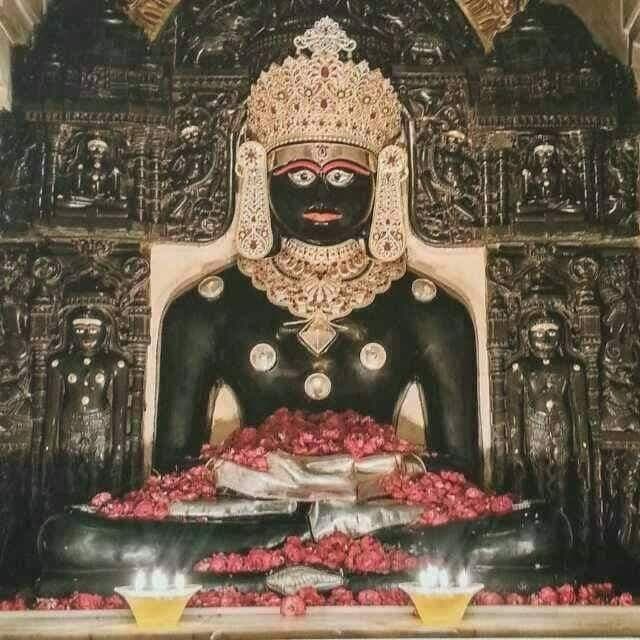
Neminath Jain Temple, Girnar
The Neminath Jain Temple, originally known as Karnavihara, is a significant Jain temple dedicated to the 24th Tirthankara, Neminatha, situated on Girnar hill in Gujarat, India. It is recognized as the foremost among the Girnar Jain temples, with its oldest existing structure dating back to the 12th century and built in the Māru-Gurjara architectural style.
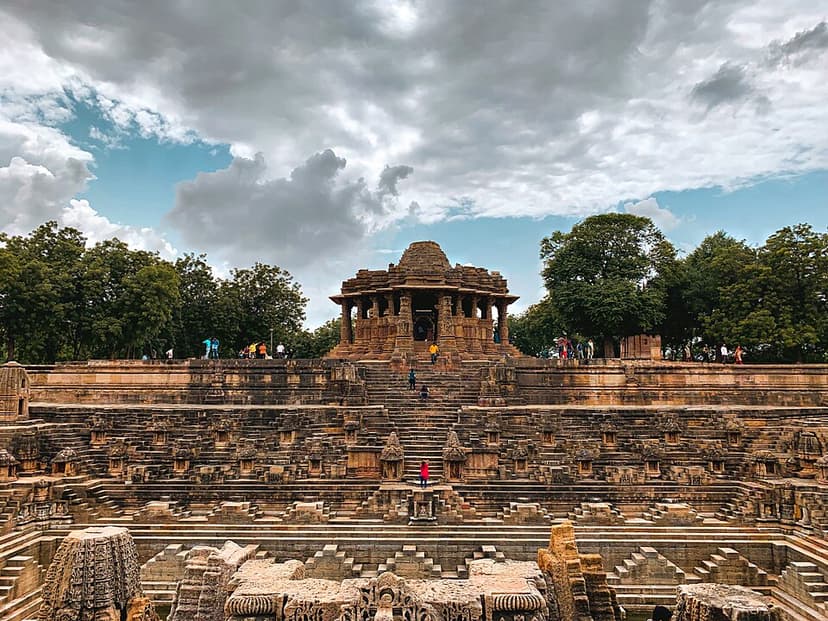
Sun Temple, Modhera
The Sun Temple in Modhera, Gujarat, India, is a 11th-century Hindu temple dedicated to the solar deity Surya. Renowned for its intricate Māru-Gurjara architecture, the temple complex features a shrine hall, an assembly hall, and a stepped reservoir, all adorned with detailed carvings. Although no longer an active place of worship, it is a protected monument maintained by the Archaeological Survey of India and a tentative UNESCO World Heritage Site.