
Srikanteshwara Temple, Nanjangud
The Srikanteshwara Temple, also known as Nanjundeshwara Temple, is an ancient Hindu pilgrimage site dedicated to Lord Shiva, located in Nanjanagudu, Karnataka, India. Situated on the banks of the Kapila River, the temple is revered as "Dakshina Kashi" (Kashi of the South) and is associated with legends of Shiva consuming poison to save the world and healing the ailments of beings through his divine grace.
Key Facts
- ›The temple is dedicated to Lord Shiva, known as Nanjundeshwara, meaning 'the God who drank the poison'.
- ›It is located in Nanjanagudu, Karnataka, often referred to as 'Dakshina Kashi' or 'Kashi of the South'.
- ›The temple complex is large, measuring 385 feet by 160 feet, covering 50,000 square feet.
- ›The gopuram (gateway tower) is 120 feet tall and was built in 1845.
- ›A notable feature is a large stone Nandi statue, approximately eight feet high, installed in 1644.
- ›The temple has historical associations with the Ganga, Chola, Hoysala, Vijayanagara, and Wodeyar dynasties.

Shiva
- Hindu Pilgrimage Destination
- Associated With Legends of Shiva Consuming Poison
- Historical Patronage By Multiple South Indian Dynasties
- Architectural Significance With A Tall Gopuram and Large Complex
Ganga Dynasty, Chola Dynasty, Hoysala Dynasty, Vijayanagara Empire, Wodeyars of Mysore
Dodda Jaathre, Girijakalyana
Stone, Brick, Mortar
Ganga Dynasty, Cholas, Hoysalas, Vijayanagara Rulers, Wodeyars of Mysore, Devarajammanni, Dalavayi Vikramaraya
- Stone Nandi Statue
- Sculpture of Krishnaraja Wadiyar Iii and His Four Wives
Kapila River, Kabini River, Kaveri River
About Srikanteshwara Temple, Nanjangud
The Srikanteshwara Temple, also known as the Nanjundeshwara Temple, is a prominent Hindu temple situated in the pilgrimage town of Nanjanagudu in Karnataka, India. Dedicated to Lord Shiva, who is worshipped here as Nanjundeshwara or Srikanteshwara, the temple is a significant spiritual center, often referred to as "Dakshina Kashi" or the "Kashi of the South". Its location on the right bank of the Kapila River, a tributary of the Kaveri, adds to its sacred geography.
Legends and Divine Associations
The temple derives its name from Lord Shiva's act of consuming the Halahala poison during the cosmic churning of the Ocean of Milk (Samudra Manthana) to save the universe. The name "Nanjundeshwara" literally means "the God who drank the poison". Legends also recount how sage Parashurama performed penance here to absolve himself of the sin of matricide, and how Goddess Parvati's divine presence graced the place, leading to it being called "Dakshina Manikarnika Ghat". The temple is also associated with miraculous healing, notably the story of Tipu Sultan's royal elephant being cured after being bathed in the Kapila River and its eyes being treated with the temple's sacred water.
Historical and Architectural Significance
The origins of the Srikanteshwara Temple can be traced back to the Ganga dynasty, but its substantial expansion and present magnificence are attributed to the patronage of successive dynasties, including the Cholas, Hoysalas, Vijayanagara Empire, and the Wodeyars of Mysore. The Garba Griha (inner sanctum) dates to the Chola period around the 11th century AD, with the anterior mandapa added during the Hoysala period in the 13th century AD. The temple complex is considerable in size, measuring 385 feet by 160 feet, covering a total area of 50,000 square feet. A striking feature is its 120-foot tall gopuram, built in 1845 by Devarajammanni, wife of Krishnaraja Wadiyar III, and described as being in the Dravidian style with seven or nine tiers, crowned by gilded kalashas. Within the complex, a large stone Nandi, approximately eight feet in height, was installed in 1644 by Dalavayi Vikramaraya.
Pilgrimage and Festivals
Nanjanagudu is a vital pilgrimage town, and the Srikanteshwara Temple is its focal point. The temple's "Dodda Jaathre" festival is a major event, drawing thousands of devotees who participate in the procession of five colorful chariots. The temple is believed to be a "papa vinashini" (remover of sins), where devotees praying to Lord Srikanteshwara or Nanjundeshwara after bathing in the Kabini River are said to be rid of their transgressions and blessed by the deity.
Source: Wikipedia ↗
Frequently Asked Questions
What is the significance of the name Nanjundeshwara?
The name Nanjundeshwara means 'the God who drank the poison'. This refers to the legend of Lord Shiva consuming the Halahala poison during the Samudra Manthana (churning of the ocean) to save the universe, thus earning him the epithet 'Nanjundeshwara', the protector.
What is the historical origin of the Srikanteshwara Temple?
The origins of the Srikanteshwara Temple are traced back to the Ganga dynasty. However, its extensive development and current grandeur are credited to the contributions of the Cholas, Hoysalas, and the Wodeyars of Mysore.
What are some key architectural features of the temple?
The temple features a 120-foot tall gopuram built in 1845, described as having seven or nine tiers in the Dravidian style, and crowned with seven gold-plated kalashas. The temple complex itself covers 50,000 square feet and includes multiple shrines and mandapas added by various dynasties.
What is the significance of Nanjanagudu as a pilgrimage site?
Nanjanagudu is known as 'Dakshina Kashi' or 'Kashi of the South', signifying its importance as a holy site in southern India. Legends state that praying to Lord Srikanteshwara here after bathing in the Kabini River can rid devotees of their sins.
Are there any notable historical figures associated with the temple?
Yes, the temple has a connection with Tipu Sultan and his father Hyder Ali. Tipu Sultan gifted a jade Shivlinga after his elephant was reportedly healed by the temple's holy water, referring to Lord Shiva as 'Hakim Nanjunda' (healer).
What are the major festivals celebrated at the temple?
The temple's Dodda Jaathre festival is a significant event that attracts thousands of devotees. This fair includes processions with five colorful chariots pulled by devotees along a path called the ratha beedi.
Related Temples (Hindu)
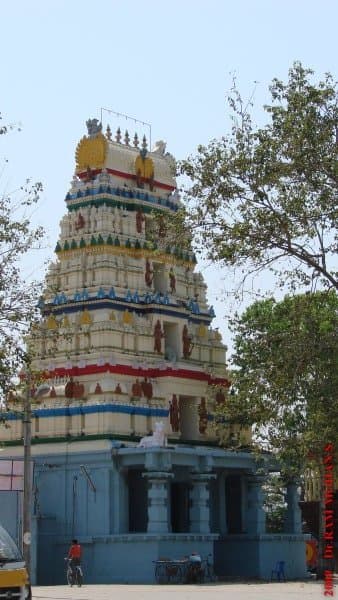
Amararama
Amararama is a significant Hindu temple dedicated to Lord Shiva, located in Amaravathi, Andhra Pradesh, India. It is one of the five sacred Pancharama Kshetras and is distinguished by its unique setting on the Krishna River. The temple is renowned for its 15-foot white marble Sivalinga and is an active center for worship and pilgrimage.

Gangaikonda Cholapuram Temple
The Gangaikonda Cholapuram Temple, located in Tamil Nadu, India, is a significant Hindu temple built by Chola emperor Rajendra I. It was intended to commemorate his victory over the Pala Dynasty and served as the Chola capital for approximately 250 years. The temple is renowned for its monumental scale and exceptional sculptural quality, surpassing even the Brihadishvara Temple at Thanjavur in the latter aspect.
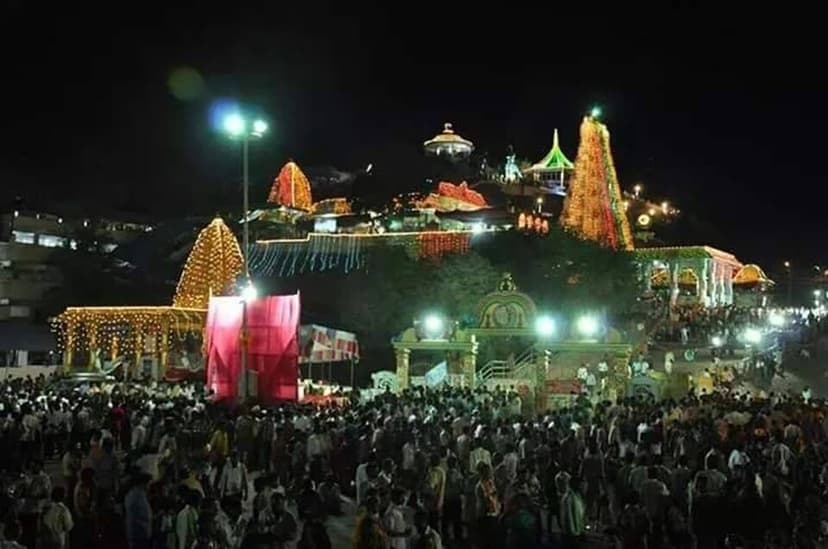
Kotappakonda
Kotappakonda is a significant Hindu pilgrimage site in Andhra Pradesh, India, centered around the ancient Sri Trikoteswara Swamy Temple, dedicated to Lord Shiva. Renowned for its three distinct peaks, the site is a major Shaivite center, drawing large crowds, especially during the annual Maha Shivaratri festival.