
Amararama
Amararama is a significant Hindu temple dedicated to Lord Shiva, located in Amaravathi, Andhra Pradesh, India. It is one of the five sacred Pancharama Kshetras and is distinguished by its unique setting on the Krishna River. The temple is renowned for its 15-foot white marble Sivalinga and is an active center for worship and pilgrimage.
Key Facts
- ›Dedicated to Lord Shiva, with the main deity known as Amareswara or Amaralingeswara.
- ›One of the five sacred Pancharama Kshetras, uniquely situated on the Krishna River.
- ›Features a prominent 15-foot tall white marble Sivalinga.
- ›Believed to have originated in the 11th century, with the earliest inscription dating to 1129 CE.
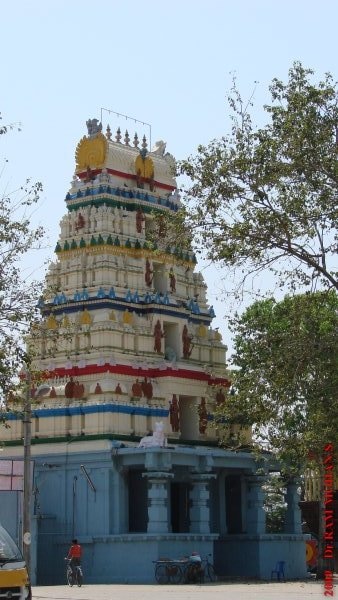
- ›Built in the Dravidian architectural style and features four gopuras and a central vimana.
- ›Celebrates major festivals like Maha Sivaratri and Navaratri.
Shiva, Bala Chamundika
- One of the Five Sacred Pancharama Kshetras
- Active Pilgrimage Site
- Historical Importance Due To Ancient Inscriptions and Patronage
- Architectural Significance of Dravidian Style
Kota Chiefs, Reddi Dynasty, Vijayanagara Empire, Satavahana Dynasty
Maha Sivaratri, Navaratri, Kalyana Utsavas
White Marble, Granite
Kota Chiefs, Sri Krishnadevaraya, Vasireddy Venkatadri Nayudu
Nandi Statue, Chaturmukha Linga, Mukhalinga Sculpture
Krishna River
About Amararama
Amararama, also known as the Amareswara Temple, is a significant Hindu temple located in Amaravathi, within the Palnadu district of Andhra Pradesh, India. It holds a prominent place as one of the five sacred Pancharama Kshetras dedicated to Lord Shiva, distinguished by its unique location on the banks of the Krishna River.
History and Origins
The origins of the temple are traced back to the 11th century, supported by epigraphical findings, with the earliest recorded inscription dating to 1129 CE. Architectural similarities suggest connections to 10th-century temples. The site's history is ancient, with evidence pointing to early Buddhist influence and Saivism in the region dating back to the Satavahana dynasty (1st–2nd centuries CE), indicated by the discovery of sculptures like a Chaturmukha Linga and a large Nandi statue. By the 12th century, the area showed a blend of Hindu and Buddhist structures.
Architecture and Deity
The temple is constructed in the Dravidian architectural style, featuring four imposing gopuras and a central vimana. Its sanctum houses a striking 15-foot tall white marble Sivalinga, known as Amareswara or Amaralingeswara, which is the largest among the Pancharama lingams. The main deity is accompanied by his consort, Bala Chamundika. The temple complex is situated on Krouncha Saila, a small hill adjacent to the Krishna River.
Patronage and Renovations
Throughout its existence, Amararama has received patronage from various ruling dynasties, including the Kota chiefs, the Reddi dynasty, and the Vijayanagara Empire, with Emperor Sri Krishnadevaraya making notable contributions. In the late 18th century, extensive renovations and support were provided by Vasireddy Venkatadri Nayudu. The temple's gopuram underwent renovation in 2017, during which ancient artifacts dating back 1,800 years were discovered.
Religious Significance and Festivals
Amararama is a vital spiritual center and a significant pilgrimage destination. Major Hindu festivals such as Maha Sivaratri and Navaratri are celebrated with fervor at the temple. The village of Amaravathi, named after the temple, also lent its name to Andhra Pradesh's planned capital city, Amaravati, located nearby.
Source: Wikipedia ↗
Frequently Asked Questions
What is the significance of Amararama temple?
Amararama is one of the five sacred Pancharama Kshetras, making it a highly revered pilgrimage destination for devotees of Lord Shiva. Its unique location on the Krishna River and its ancient history contribute to its spiritual importance.
What is the main deity worshipped at Amararama?
The primary deity at Amararama is Lord Shiva, worshipped in the form of Amareswara or Amaralingeswara. The temple also enshrines his consort, Bala Chamundika.
What is unique about the Sivalinga at Amararama?
The Sivalinga at Amararama is made of white marble and stands at an impressive 15 feet tall, making it the largest among the Pancharama lingams. Priests stand on a platform to perform rituals and anointments for the colossal idol.
When was the Amararama temple built?
Based on epigraphical evidence, the temple is believed to have originated in the 11th century, with the earliest inscription found dating back to 1129 CE. However, its architectural style suggests possible connections to 10th-century structures.
What architectural style is Amararama built in?
The Amararama temple is predominantly built in the Dravidian architectural style. This is evident in its four towering gopuras and the central vimana.
Which dynasties patronized the Amararama temple?
The temple received patronage from various dynasties throughout its history, including the Kota chiefs, the Reddi dynasty, and the Vijayanagara Empire, with notable contributions from Sri Krishnadevaraya. Later, the zamindar Vasireddy Venkatadri Nayudu also supported its upkeep and expansion.
Related Temples (Hindu)

Gangaikonda Cholapuram Temple
The Gangaikonda Cholapuram Temple, located in Tamil Nadu, India, is a significant Hindu temple built by Chola emperor Rajendra I. It was intended to commemorate his victory over the Pala Dynasty and served as the Chola capital for approximately 250 years. The temple is renowned for its monumental scale and exceptional sculptural quality, surpassing even the Brihadishvara Temple at Thanjavur in the latter aspect.

Srikanteshwara Temple, Nanjangud
The Srikanteshwara Temple, also known as Nanjundeshwara Temple, is an ancient Hindu pilgrimage site dedicated to Lord Shiva, located in Nanjanagudu, Karnataka, India. Situated on the banks of the Kapila River, the temple is revered as "Dakshina Kashi" (Kashi of the South) and is associated with legends of Shiva consuming poison to save the world and healing the ailments of beings through his divine grace.
Kotappakonda
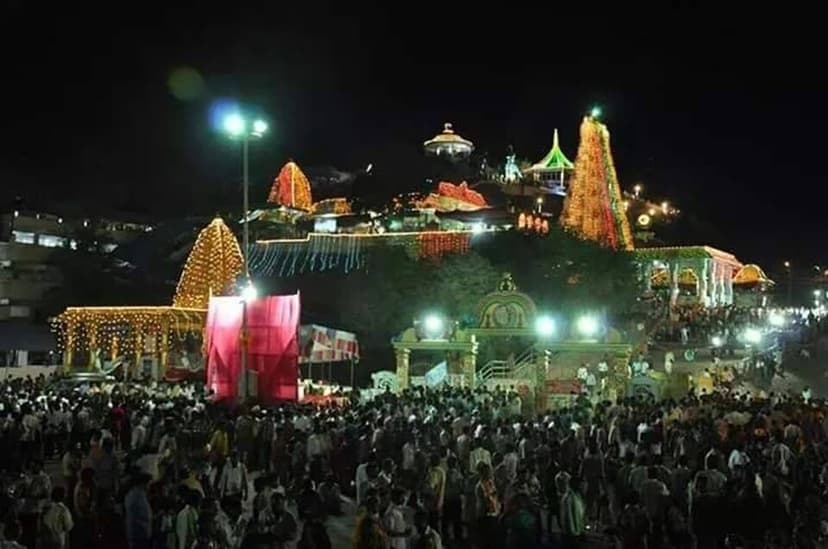
Kotappakonda is a significant Hindu pilgrimage site in Andhra Pradesh, India, centered around the ancient Sri Trikoteswara Swamy Temple, dedicated to Lord Shiva. Renowned for its three distinct peaks, the site is a major Shaivite center, drawing large crowds, especially during the annual Maha Shivaratri festival.