
Sri Venkataramana Temple, Karkala
The Sri Venkataramana Temple in Karkala, Karnataka, India, also known as Padutirupathi, was established by Goud Saraswat Brahmins who migrated from Goa. Originally built with a platform and pillars, it was later renovated and expanded, incorporating rituals similar to those at the Tirumala Tirupati temple.
Key Facts
- ›The temple was installed on April 25, 1537.
- ›It was built by Goud Saraswat Brahmins who fled Goa due to the Portuguese invasion.
- ›The temple's name 'Padutirupathi' signifies its location in the west, mirroring the eastern Tirupati.
- ›Jain Bhairarasa Odeyars, who ruled Karkala in the 15th century, provided land for the Goud Saraswat Brahmins to settle and build the temple.
- ›The temple follows rituals and practices similar to those observed at the Tirumala Tirupati temple.
- ›The temple underwent significant renovations in 1699-1700 and again in 2017.

Venkataramana
- Religious Pilgrimage Site For Goud Saraswat Brahmins
- Historical Connection To Jain Rulers of Karkala
- Follows Rituals Similar To Tirumala Tirupati
Bhairarasa Odeyars
Black Stones, Coconut Leaves
Goud Saraswat Brahmins, Jain Bhairarasa Odeyars
About Sri Venkataramana Temple, Karkala
The Sri Venkataramana Temple, located in Karkala, Karnataka, India, is a significant Hindu shrine also known by the name Padutirupathi. Its establishment in 1537 by the Goud Saraswat Brahmins marks a notable chapter in the region's religious history, reflecting their migration and preservation of traditions.
History and Origins
The temple's foundation is deeply intertwined with the migration of Goud Saraswat Brahmins from Goa, who sought refuge in Karnataka following the Portuguese invasion. During the 15th century, when the Jain Bhairarasa Odeyars ruled Karkala, these Brahmins were granted land, enabling them to settle and practice their occupation, primarily agriculture. The priests of this community, including the Joishys, Puraniks, and Tantris, played a crucial role in the community's religious life during this period. The precise date of the temple's initial construction remains undocumented from that era, but the formal installation ceremony took place on April 25, 1537.
The temple's name, Padutirupathi, is derived from 'Padu' meaning 'West' in Kannada and 'Tirupathi,' referencing the famous eastern shrine. This nomenclature highlights its geographical positioning relative to the original Tirumala temple.
Installation and Development
Historical accounts suggest that the Goud Saraswat Brahmins, after settling in Karkala between 1530 and 1550 AD, brought with them the idol of Lord Venkataramana. The Jain King Immadi Bhairava readily provided land for the temple's construction. The initial structure was modest, consisting of a platform and pillars with a roof made of entangled coconut leaves, housing the idol. The temple complex saw further development with the addition of a compound wall. A significant event in its history involved the temporary loss and subsequent recovery of an idol of Lord Venkataramana, which had been brought by Soma Sharma. After a period of uncertainty and divine intervention through dreams, the idol was reinstalled in the temple on April 25, 1537, as per specific divine instructions.
The temple underwent substantial renovations in 1699–1700, after which Parivar Devas such as Lord Mukyaprana, Lord Gunda, Lord Lakshmi, and Lord Ganapathi were installed. The temple was again renovated in 2017, ensuring its continued preservation and functionality.
Rites and Rituals
Reflecting its connection to Tirumala, the Sri Venkataramana Temple adheres to similar ritualistic practices. Daily ceremonies commence early with Dwara Pooja and Suprabhatam, followed by the removal of old floral decorations and the offering of Naivedyam. Mid-morning sees the Panchaamrutha abhishekha performed on the Saligrama. The afternoon includes Naivedyam and Maha Puja, after which the temple doors close for a period of rest. In the evening, the temple reopens with the lighting of oil lamps and the singing of devotional hymns. The day concludes with nighttime offerings and an Utsava, a procession through the town, before the final Ekaantha Seva, putting the deities to rest.
Source: Wikipedia ↗
Frequently Asked Questions
Why is the temple called Padutirupathi?
The name 'Padutirupathi' means 'Western Tirupati' in Kannada. It signifies that the shrine is located to the west of the famous Tirumala Tirupati temple, acting as its western counterpart.
What is the history behind the Goud Saraswat Brahmins settling in Karkala?
The Goud Saraswat Brahmins migrated from Goa to escape the tortures of the Portuguese invasion. They sought refuge in places like Karnataka, where they were provided land by the local Jain rulers in Karkala to establish their lives and worship.
When was the temple originally constructed?
While the exact date of the original installation is unknown due to a lack of written records from the 15th century, the temple was officially installed on April 25, 1537. The Goud Saraswat Brahmins settled in Karkala between 1530 AD and 1550 AD.
What is the significance of the two idols of Lord Venkataramana?
The temple houses two idols of Lord Venkataramana. One was brought by the migrating Goud Saraswat Brahmins, and another was brought back by Soma Sharma after it was temporarily lost due to dacoits and later found in Mulki.
What rituals are performed at the Sri Venkataramana Temple?
The temple follows rituals similar to the Tirumala Tirupati temple, including morning prayers like Dwara Pooja and Suprabhatam, followed by offerings and Abhishekha. Evening rituals involve lighting lamps, singing hymns, and a night procession (Utsava) on most days.
How does the temple generate income?
The temple's income primarily comes from devotees' offerings (Kaanikas). It also owns rental properties and leased lands, and rents out its Srinivasa Kalyana Mantapa for various events.
Related Temples (Hindu)

Yaganti temple
The Sri Yaganti Uma Maheswara Temple, located in Andhra Pradesh, India, is a significant Hindu temple dedicated to Shiva. Constructed in the 15th century by the Vijayanagara Empire's Sangama Dynasty, it is known for its unique architectural features and popular beliefs surrounding a growing Nandi statue and the absence of crows.
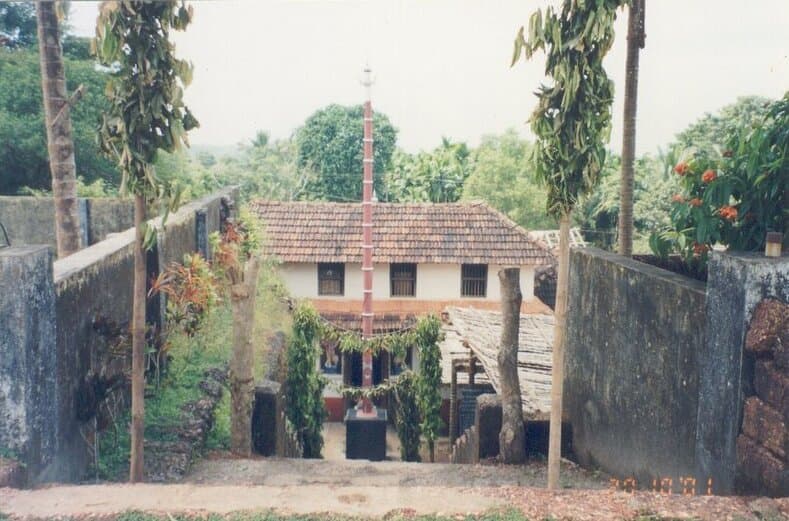
Nellitheertha Cave Temple
The Nellitheertha Cave Temple, located in Nellitheertha, Karnataka, India, is a Hindu temple primarily dedicated to Lord Shiva, also known as Somanatheshwara. The temple's origins can be traced back to at least 1487 CE and features a significant natural cave with a lake and a Shiva Lingam inside.
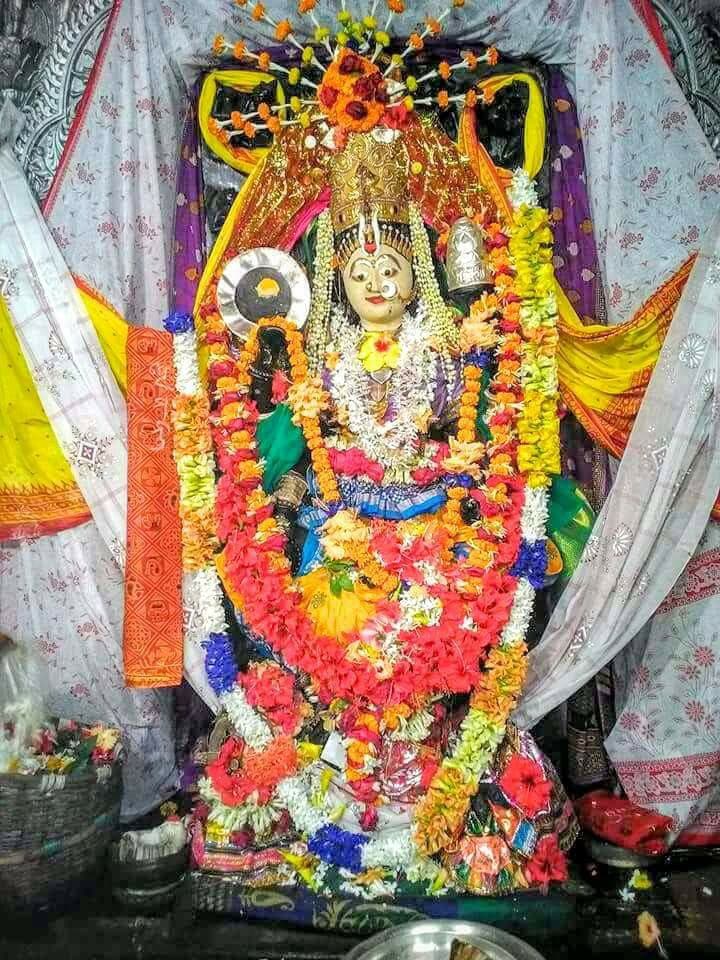
Kakatpur Mangala Temple
The Kakatpur Mangala Temple, located in Odisha, India, is a significant 15th-century Hindu Shakta pitha dedicated to Maa Mangala, a manifestation of the goddess Durga. It is renowned for its unique Utkaliya Peedha Vimana architectural style and its deep association with the Jagannath Temple in Puri, playing a crucial role in the Nabakalevara ritual.