
Sikkal Singaravelan Temple
Sikkal Singaravelan Temple, located in Tamil Nadu, India, is a significant Hindu temple dedicated to Lord Muruga. It is notable for being a contender for Muruga's "seventh Padaiveedu" and for housing both Shiva and Vishnu deities within its complex, a rare feature in traditional Hindu temples.
Key Facts
- ›Dedicated primarily to Lord Muruga.
- ›Houses both Shiva and Vishnu deities, which is uncommon in Hindu temples.
- ›Considered a potential "seventh Padaiveedu" of Lord Muruga.
- ›Located in the village of Sikkal, near Nagapattinam, Tamil Nadu, India.
- ›Associated with the mythological event of Lord Muruga receiving his Vel weapon.
- ›Features a holy water point known as Parkulam, believed to be formed from Kamadenu's milk.
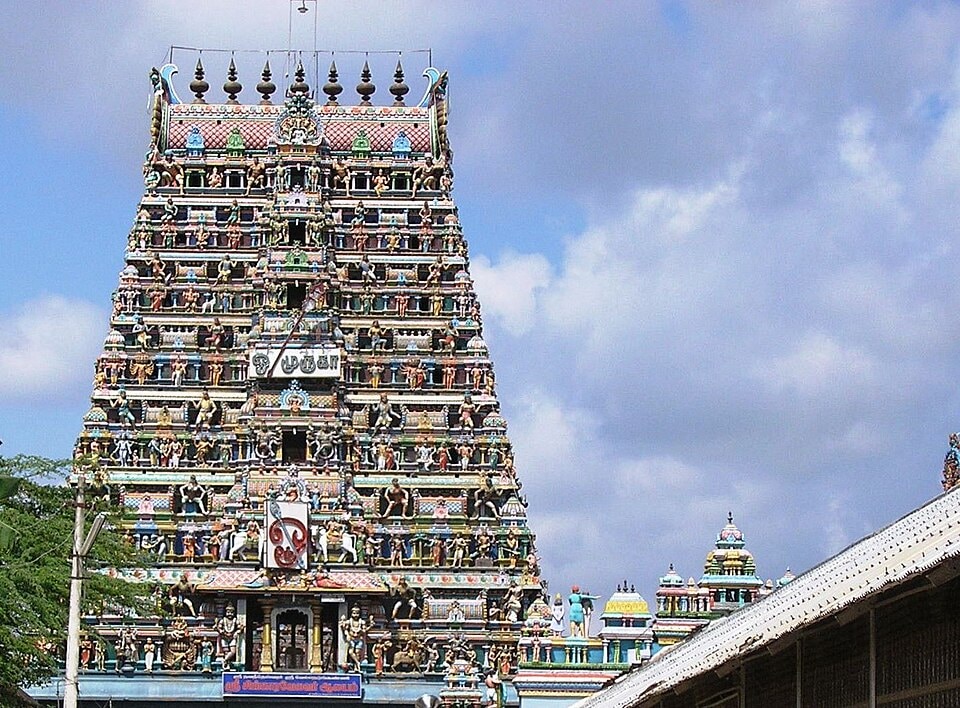
Muruga, Shiva, Vishnu
- Contender For the Seventh Padaiveedu of Lord Muruga
- Houses Both Shiva and Vishnu Deities
- Site of Mythological Events Related To Lord Muruga and Kamadenu
Soora Samharam
Parkulam
About Sikkal Singaravelan Temple
Sikkal Singaravelan Temple is a prominent Hindu temple located in the village of Sikkal, near Nagapattinam in Tamil Nadu, India. It is dedicated to Lord Muruga and is considered a significant site, often mentioned as a contender for the "seventh Padaiveedu" of Muruga, alongside the six traditional abodes.
Location and Context
The temple is situated approximately 5 kilometers west of Nagapattinam and 18 kilometers east of Thiruvarur. Notably, the Singaravelan temple is located within the premises of the Sikkal Navaneetheswarar Temple. A distinctive feature of this temple complex is the presence of both Shiva and Vishnu deities, a rarity in traditional Hindu temple architecture.
Temple Lore and Mythology
According to local lore, the area was once a fragrant jasmine forest inhabited by the goddess Kamadenu. It is believed that Kamadenu, after being cursed by Lord Shiva for consuming meat, was absolved of her sin by bathing in the temple's holy water point and worshipping there. This holy water point later became known as Parkulam, meaning "milk pond," as it is said to have been formed from Kamadenu's milk.
Another significant legend involves sage Vasista Maharishi. He is said to have performed a pooja here by creating a lingam out of butter from Parkulam. When he tried to move the lingam after the pooja, it became fixed to the spot, leading Vasista to name the place "Sikkal," which implies something that is stuck or fixed.
Furthermore, the temple is renowned for the mythological event where Lord Muruga received his divine weapon, the Vel, from his mother, Parvati, at Sikkal. This divine weapon was then used by Muruga to defeat the asura Soorapadman.
Festivals and Worship
The most important festival celebrated at Sikkal Singaravelan Temple is Soora Samharam, which reenacts Lord Muruga's acquisition of the Vel and his victory over the demon king. During this period, devotees believe that the idol of Lord Muruga sweats, and a major event is conducted to commemorate the occasion. The temple serves as an active place of worship and a pilgrimage destination for devotees of Lord Muruga.
Source: Wikipedia ↗
Frequently Asked Questions
What is Sikkal Singaravelan Temple dedicated to?
Sikkal Singaravelan Temple is primarily dedicated to Lord Muruga. It is also recognized for housing deities of both Lord Shiva and Lord Vishnu within the same temple complex.
Where is Sikkal Singaravelan Temple located?
The temple is situated in the village of Sikkal, near the town of Nagapattinam in the Indian state of Tamil Nadu. It lies west of Nagapattinam and east of Thiruvarur.
What is the significance of the "seventh Padaiveedu"?
Sikkal Singaravelan Temple is considered a contender for the unofficial "seventh Padaiveedu" of Lord Muruga. The popular "Arupadaiveedu" refers to the six traditional abodes of Lord Muruga.
What is the mythological significance of the temple?
Mythology states that Lord Muruga received his divine weapon, the Vel, at Sikkal from his mother, Parvati, before defeating the asura Soorapadman. The temple is also linked to the goddess Kamadenu and sage Vasista.
What is the "Parkulam" and its significance?
Parkulam, meaning "milk pond," is a holy water point behind the temple. It is believed to have been formed by the milk of Kamadenu, a semi-divine cow, and is associated with Vasista Maharishi performing a pooja with a butter lingam.
What are the major festivals celebrated at Sikkal Singaravelan Temple?
The most important festival is Soora Samharam, commemorating Lord Muruga receiving the Vel and defeating Soorapadman. During this festival, devotees believe the idol sweats, and a significant event is conducted.
Related Temples (Hindu)

Taraknath Temple
The Taraknath Temple, located in Tarakeswar, West Bengal, India, is a significant Hindu pilgrimage site dedicated to Lord Shiva, worshiped here as Tarakanatha. Constructed in 1729, it features a distinct Bengal architectural style with an 'atchala' structure and an adjacent 'natmandir'. The temple is renowned for its belief that a dip in the nearby Dudhpukur tank fulfills prayers and is considered one of the 64 Jyotirlingas.

Tanot Mata Temple
The Tanot Mata Temple is a significant Hindu shrine located in the Jaisalmer district of Rajasthan, India, near the Pakistan border. Revered as a form of Goddess Hinglaj Mata, the temple is famously associated with the Indian victories in the Indo-Pakistani Wars of 1965 and 1971, with local folklore attributing the successful outcomes to divine intervention. The Border Security Force of India now manages the temple complex, which also includes a victory tower and a war museum.
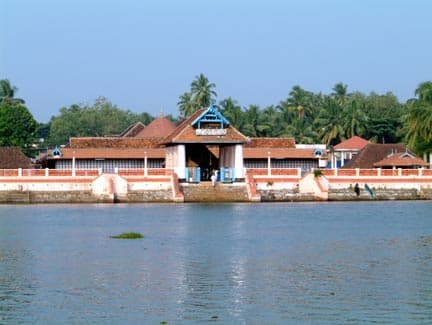
Thriprayar Temple
The Thriprayar Temple, also known as the Shree Ramaswami Temple, is a significant Hindu temple located in Triprayar, Thrissur district, Kerala, India. It is dedicated to Lord Rama, the seventh incarnation of Vishnu, who is depicted with four arms holding a conch, discus, bow, and garland. The temple's origin story involves the idol being worshipped by Krishna in Dwarka, later immersed in the sea, and eventually found by fishermen.