
Shri Keshavraiji Temple, Bet Dwarka
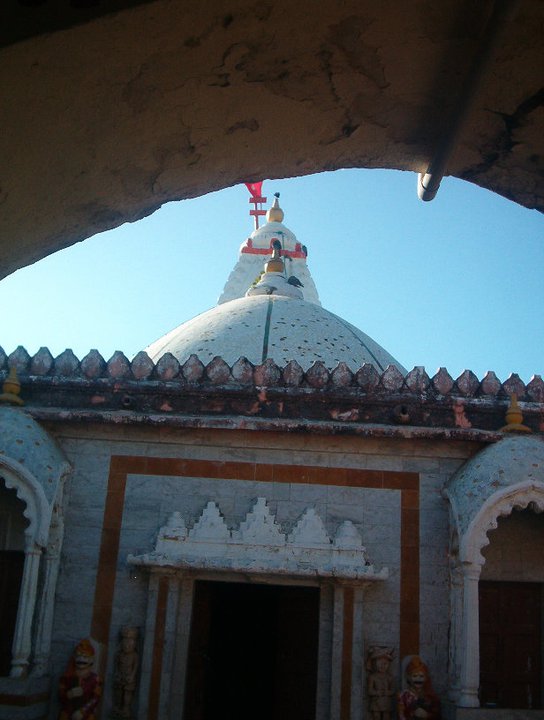
Shri Keshavraiji Temple is an ancient Hindu temple situated on the island of Bet Dwarka in Gujarat, India. Dedicated to Lord Krishna, it holds significant importance in Hindu tradition and is particularly revered by the Pushkarna Brahmin community, who are credited with its construction. The temple is a notable pilgrimage site, drawing devotees from various regions.
Key Facts
- ›The temple is dedicated to Lord Krishna, referred to as Lord Shri Keshavraiji.
- ›It was built by the Pushkarna (Pushtikar) Brahmin community and is their Ishtdev (personal deity).
- ›Located on Bet Dwarka island, near the holy lake Shankh Sarovar.
- ›The temple is approximately 30 km from Dwarka and 1 km from Beyt Jetty.
- ›Devotees from Sindh, Rajasthan, Kutch, Gujarat, and Punjab frequently visit.
- ›Registers dating back 250 years record the names of Pushkarna devotees.
Krishna
Religious Pilgrimage, Importance In Ancient Hindu Tradition, Revered By the Pushkarna Brahmin Community
Pushkarna Brahmin Community
Shankh Sarovar
About Shri Keshavraiji Temple, Bet Dwarka
Shri Keshavraiji Temple is an ancient Hindu place of worship located on the island of Bet Dwarka, off the coast of Gujarat, India. The temple is primarily dedicated to Lord Krishna, revered here as Lord Shri Keshavraiji, who is the Ishtdev (personal deity) of the Samasth Pushkarna Gyati community. The temple's construction is attributed to the Pushkarna (Pushtikar) Brahmin community, highlighting their deep devotional connection to the deity.
Location and Accessibility
The temple is situated near the holy lake known as Shankh Sarovar, approximately 1 kilometer from Beyt Jetty. Bet Dwarka itself is an island of considerable religious importance in Hindu tradition, renowned for its numerous temples dedicated to Lord Krishna. To reach Bet Dwarka, visitors typically travel to Okha, which is the last railway station on the western Indian railway network. From Okha, a motorboat service is available to transport pilgrims and visitors to the island.
Devotees and Historical Records
Shri Keshavraiji Temple attracts a significant number of devotees, particularly from the Pushkarna Brahmin community and Bhatia followers. These devotees often hail from regions including Sindh, Rajasthan, Kutch, Gujarat, and Punjab. Historical records, in the form of registers, bear witness to the presence and patronage of Pushkarna devotees, with some entries dating back as far as 250 years, underscoring the temple's long-standing history and communal significance.
Source: Wikipedia ↗
Frequently Asked Questions
Who is the primary deity worshipped at Shri Keshavraiji Temple?
The primary deity worshipped at Shri Keshavraiji Temple is Lord Krishna, also known as Lord Shri Keshavraiji. He is considered the Ishtdev (personal deity) of the Samasth Pushkarna Gyati community.
Who built the Shri Keshavraiji Temple?
The Shri Keshavraiji Temple was built by the Pushkarna (Pushtikar) Brahmin community. They hold a special reverence for the deity enshrined here.
Where is Shri Keshavraiji Temple located?
Shri Keshavraiji Temple is located on the island of Bet Dwarka, off the coast of Gujarat, India. It is situated near the holy lake Shankh Sarovar, approximately 1 km from Beyt Jetty.
What is the significance of Bet Dwarka for Hindu tradition?
Bet Dwarka is famous for its temples dedicated to Lord Krishna and holds great importance in ancient Hindu tradition. It is considered a sacred pilgrimage destination.
Which communities visit Shri Keshavraiji Temple?
The Pushkarna Brahmin community, along with Bhatia devotees predominantly from Sindh, Rajasthan, Kutch, Gujarat, and Punjab, are frequent visitors to Bet Dwarka to worship Lord Keshavraiji.
Related Temples (Hindu)

Taraknath Temple
The Taraknath Temple, located in Tarakeswar, West Bengal, India, is a significant Hindu pilgrimage site dedicated to Lord Shiva, worshiped here as Tarakanatha. Constructed in 1729, it features a distinct Bengal architectural style with an 'atchala' structure and an adjacent 'natmandir'. The temple is renowned for its belief that a dip in the nearby Dudhpukur tank fulfills prayers and is considered one of the 64 Jyotirlingas.

Tanot Mata Temple
The Tanot Mata Temple is a significant Hindu shrine located in the Jaisalmer district of Rajasthan, India, near the Pakistan border. Revered as a form of Goddess Hinglaj Mata, the temple is famously associated with the Indian victories in the Indo-Pakistani Wars of 1965 and 1971, with local folklore attributing the successful outcomes to divine intervention. The Border Security Force of India now manages the temple complex, which also includes a victory tower and a war museum.
Thriprayar Temple
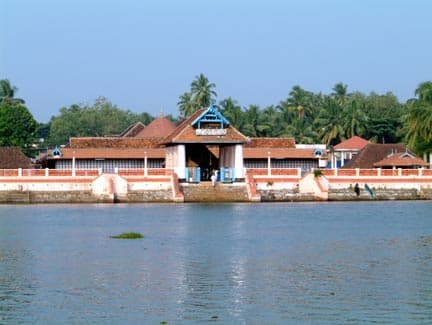
The Thriprayar Temple, also known as the Shree Ramaswami Temple, is a significant Hindu temple located in Triprayar, Thrissur district, Kerala, India. It is dedicated to Lord Rama, the seventh incarnation of Vishnu, who is depicted with four arms holding a conch, discus, bow, and garland. The temple's origin story involves the idol being worshipped by Krishna in Dwarka, later immersed in the sea, and eventually found by fishermen.