
Shani Dham Temple
Shani Dham Temple is a Hindu temple dedicated to the deity Shani, located in Asola, a suburb of Delhi, India. It is known for housing the world's largest rock-made Shani image, unveiled in 2003. The temple complex is divided into eastern and western sections, featuring various idols and religious facilities.
Key Facts
- ›Dedicated to the Hindu deity Shani.
- ›Houses the world's largest rock-made Shani image, unveiled on May 31, 2003.
- ›Located in Asola, a suburb of Delhi, India.
- ›The temple complex is divided into eastern and western sections.
- ›Features a library, research center, and various Shani and planetary idols.
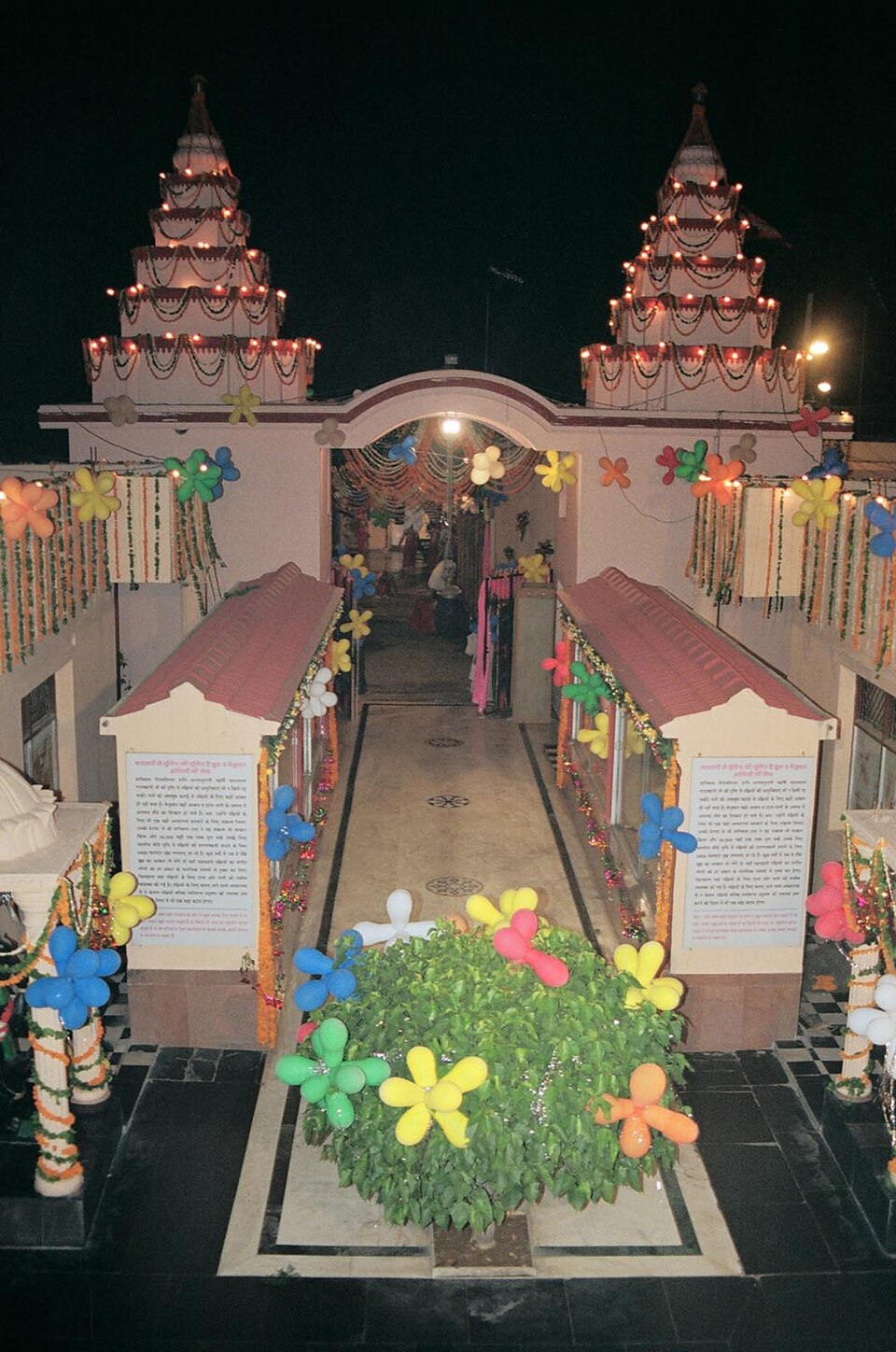
Shani
- Houses the World's Largest Rock-Made Shani Image
Rock
- Large Shani Image Made of Rock
- Idols of the Twelve 'Jyotirlingas'
- Large Shani Statues Erected Over the Buffalo and the Vulture
- Idol of Hanuman
- Idols of the Nine Planets
About Shani Dham Temple
Shani Dham Temple is a significant Hindu place of worship situated in Asola, a suburb of Delhi, India. The temple is primarily dedicated to the deity Shani, who is revered in Hinduism and associated with the planet Saturn.
History and Description
The temple gained prominence with the unveiling of a massive Shani image made of rock on May 31, 2003, which is recognized as the largest of its kind globally. The temple complex is thoughtfully divided into two main sections: an eastern part and a western part. The eastern section houses the impressive large Shani idol alongside idols of the twelve 'Jyotirlingas'. Complementing this, the western part features prominent Shani statues, including those erected over representations of a buffalo and a vulture. An idol of Hanuman is located to the right of these statues. This western section also incorporates an oblation pool and idols representing the nine planets.
Facilities and Activities
Beyond its devotional aspects, Shani Dham Temple is equipped with several functional facilities. These include a library, a research center, an inquiry office, a reception office, and a publication department. The temple typically experiences large gatherings of devotees, particularly on Saturdays, and hosts various religious programs throughout the year. While the temple has been a site of active worship and community engagement, it has also faced scrutiny, including in 2018 regarding affiliations and in 2020 for holding religious gatherings that reportedly violated COVID-19 related social distancing rules.
Source: Wikipedia ↗
Frequently Asked Questions
What deity is Shani Dham Temple dedicated to?
Shani Dham Temple is dedicated to the Hindu deity Shani, who is often associated with the planet Saturn and is believed to govern karma and justice.
Where is Shani Dham Temple located?
The temple is situated in Asola, a suburb within the Indian capital territory of Delhi.
What is significant about the Shani idol at Shani Dham Temple?
The temple is renowned for housing the world's largest image of Shani made from rock. This massive idol was unveiled on May 31, 2003.
How is the temple complex structured?
Shani Dham Temple is divided into two distinct parts: an eastern section and a western section. These areas house various significant idols and facilities.
What can be found within the temple complex?
Beyond the main Shani idols, the temple complex includes a library, a research center, an inquiry office, a reception office, and a publication department. The eastern part contains idols of the twelve 'Jyotirlingas', while the western part features Shani statues on a buffalo and a vulture, an idol of Hanuman, and idols of the nine planets.
Related Temples (Hindu)

Taraknath Temple
The Taraknath Temple, located in Tarakeswar, West Bengal, India, is a significant Hindu pilgrimage site dedicated to Lord Shiva, worshiped here as Tarakanatha. Constructed in 1729, it features a distinct Bengal architectural style with an 'atchala' structure and an adjacent 'natmandir'. The temple is renowned for its belief that a dip in the nearby Dudhpukur tank fulfills prayers and is considered one of the 64 Jyotirlingas.

Tanot Mata Temple
The Tanot Mata Temple is a significant Hindu shrine located in the Jaisalmer district of Rajasthan, India, near the Pakistan border. Revered as a form of Goddess Hinglaj Mata, the temple is famously associated with the Indian victories in the Indo-Pakistani Wars of 1965 and 1971, with local folklore attributing the successful outcomes to divine intervention. The Border Security Force of India now manages the temple complex, which also includes a victory tower and a war museum.
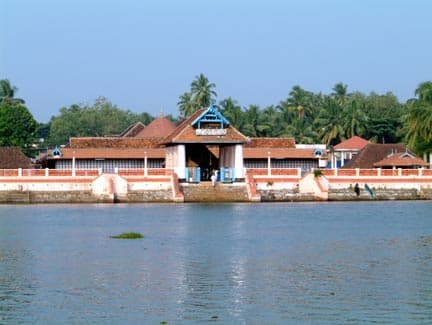
Thriprayar Temple
The Thriprayar Temple, also known as the Shree Ramaswami Temple, is a significant Hindu temple located in Triprayar, Thrissur district, Kerala, India. It is dedicated to Lord Rama, the seventh incarnation of Vishnu, who is depicted with four arms holding a conch, discus, bow, and garland. The temple's origin story involves the idol being worshipped by Krishna in Dwarka, later immersed in the sea, and eventually found by fishermen.