
Shali Mata Temple
Kath Kuni·India
The Shali Mata Temple is a Hindu temple situated atop the Shali Tibba peak in the Shimla district of Himachal Pradesh, India. Dating back over 400 years, local legends suggest the idol was moved to this highest peak to extend the goddess's blessings widely across the region. The temple is renowned for its traditional Kath Kuni architecture and the panoramic Himalayan views it offers.
Key Facts
- ›Located on the Shali Tibba peak in the Shimla district, Himachal Pradesh, India.
- ›The temple is approximately 7 kilometers (4.3 miles) trek from Khatnol.
- ›Constructed in the traditional Kath Kuni architectural style.
- ›Believed to date back over 400 years, with legends of the idol being relocated from another shrine.
- ›Offers 360-degree panoramic views of numerous Himalayan peaks and valleys.
- ›Devotees believe Shali Mata is a destroyer of diseases and problems.

Shali Mata
Religious Pilgrimage, Architectural Heritage, Scenic Beauty and Panoramic Views
King of Faridkot State
Satluj River
About Shali Mata Temple
The Shali Mata Temple is a significant Hindu shrine located atop the prominent Shali Tibba peak in the Shimla district of Himachal Pradesh, India. This sacred site is approximately 36 kilometers from the state capital, Shimla, with the final ascent requiring a trek of about 7 kilometers from the road-accessible point in Khatnol. The temple is revered for its spiritual importance and its breathtaking natural setting.
History and Legends
Local traditions suggest that the history of the Shali Mata Temple extends over 400 years. According to popular legend, the idol of the goddess was initially enshrined in a village named Dalana near Shimla, having been brought from the Bhimakali Temple at Sarahan. Devotees later believed that the goddess appeared in a dream, expressing a desire to be relocated to the highest nearby peak so that her blessings could reach the entire region. Acting on this divine instruction, the idol was moved and consecrated at the summit of Shali Tibba, where she has since been worshipped as Shali Mata.
Architecture and Accessibility
The temple is a fine example of traditional Kath Kuni architecture, a style common in the Himachal Pradesh region, characterized by its use of local stone and timber. While the original trail to the temple was challenging, a path was improved in 1936 by the then-king of Faridkot state after his wish for a son was fulfilled. Today, a pilgrim rest house is available near the temple for overnight stays. The trek from Khatnol, though moderate and steep, is well-marked and passes through dense Deodar and Pine forests, making it a popular route for pilgrims and trekkers alike, though it can become slippery and more challenging during snowfall or monsoon seasons.
Beliefs and Significance
Shali Mata is widely believed by devotees to be a powerful deity who aids them in times of need, offering guidance and support. She is particularly venerated as Rog Nashini, the destroyer of diseases, with the faith that even a mere sight of the goddess can alleviate ailments and problems. The temple's elevated position offers unparalleled 360-degree panoramic views of distant Himalayan ranges, including notable peaks like Manimahesh Kailash, Deo Tibba, and Reo Purgyil, as well as visible valleys and towns such as the Satluj valley and Shimla city itself. On exceptionally clear days, distant plains of Punjab and Haryana can also be glimpsed.
Source: Wikipedia ↗
Frequently Asked Questions
Where is the Shali Mata Temple located?
The Shali Mata Temple is situated on the summit of Shali Tibba peak, which is part of Khatnol in the Shimla district of Himachal Pradesh, India. The trek to the temple begins from Khatnol, which is about 36 kilometers from Shimla.
How do I reach the Shali Mata Temple?
There is no direct motorable road to the temple. The journey involves traveling by road to Khatnol, which is the last accessible point, and then undertaking a trek of approximately 7 kilometers to the temple summit. The path passes through dense forests and is generally well-marked.
What is the history of the Shali Mata Temple?
Local accounts suggest the temple is over 400 years old. According to legend, the idol of Shali Mata was originally installed in a village near Shimla and was later moved to the highest peak, Shali Tibba, as per divine instruction.
What is special about the Shali Mata Temple?
The temple is highly revered by devotees who believe Shali Mata acts as Rog Nashini, the destroyer of diseases, and that her blessings can cure illnesses and problems. Additionally, the temple's location offers breathtaking 360-degree views of the surrounding Himalayan ranges and valleys.
What architectural style is the Shali Mata Temple built in?
The Shali Mata Temple is built in the traditional Kath Kuni architectural style, which is characteristic of the hilly regions of Himachal Pradesh, known for its stone and wood construction techniques.
Related Temples (Hindu)

Taraknath Temple
The Taraknath Temple, located in Tarakeswar, West Bengal, India, is a significant Hindu pilgrimage site dedicated to Lord Shiva, worshiped here as Tarakanatha. Constructed in 1729, it features a distinct Bengal architectural style with an 'atchala' structure and an adjacent 'natmandir'. The temple is renowned for its belief that a dip in the nearby Dudhpukur tank fulfills prayers and is considered one of the 64 Jyotirlingas.

Tanot Mata Temple
The Tanot Mata Temple is a significant Hindu shrine located in the Jaisalmer district of Rajasthan, India, near the Pakistan border. Revered as a form of Goddess Hinglaj Mata, the temple is famously associated with the Indian victories in the Indo-Pakistani Wars of 1965 and 1971, with local folklore attributing the successful outcomes to divine intervention. The Border Security Force of India now manages the temple complex, which also includes a victory tower and a war museum.
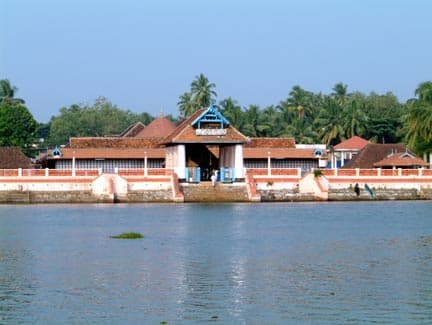
Thriprayar Temple
The Thriprayar Temple, also known as the Shree Ramaswami Temple, is a significant Hindu temple located in Triprayar, Thrissur district, Kerala, India. It is dedicated to Lord Rama, the seventh incarnation of Vishnu, who is depicted with four arms holding a conch, discus, bow, and garland. The temple's origin story involves the idol being worshipped by Krishna in Dwarka, later immersed in the sea, and eventually found by fishermen.