
Prabhadevi Temple
The Prabhadevi Temple, also known as Prabhavati Devi Temple, is a Hindu temple located in the Prabhadevi area of Mumbai. The temple's main idol of Prabhavati Devi is believed to date back to the 12th century, though the current structure was built in 1715. Historically, the deity was known as Shakambari Devi, the Kuladevi of the Seuna Yadava king Bimba Raja.
Key Facts
- ›The main deity is Prabhavati Devi, historically known as Shakambari Devi.
- ›The idol of the deity is believed to originate from the 12th century.
- ›The current temple structure was constructed in 1715.
- ›The temple was historically managed by Bhatji Jaywant Joshi.
- ›It is managed by a trust set up by the Kirtikar family.
- ›The area of Prabhadevi is named after the deity of this temple.

Prabhavati Devi, Shakambari Devi
- Historical Connection To the Seuna Yadava Dynasty
- Named After the Deity, Giving Its Name To the Prabhadevi Area
Seuna Yadava
Shyam Nayak, Kirtikar Family
Mahim Creek, Arabian Sea
About Prabhadevi Temple
The Prabhadevi Temple, also known as the Prabhavati Devi Temple, is a significant Hindu place of worship located in the Prabhadevi area of Mumbai, near Dadar. The iconic idol of the primary deity, Prabhavati Devi, is believed to have originated in the 12th century. The current temple structure, however, was constructed in 1715, establishing it as a site with centuries of devotional history.
Historical Roots and Establishment
Historical accounts suggest that the deity worshipped at the Prabhadevi Temple was initially referred to as Shakambari Devi. She held importance as the Kuladevi, or family goddess, for Bimba Raja, the king of Devgiri from the Seuna Yadava dynasty. Local folklore further enriches the temple's origin story, relating that Prabhavati Devi appeared in the dreams of Shyam Nayak, a devotee belonging to the Pathare Prabhu community, one of Mumbai's earliest indigenous groups. Inspired by this divine vision, Shyam Nayak undertook the construction of the temple dedicated to Prabhadevi.
Idol's Journey and Preservation
The idol of the goddess has a history of being moved and safeguarded. It was relocated to Karnataka, where it faced threats from Mughal invaders. Subsequently, the idol was brought back and placed in the current Prabhadevi temple, situated near Mahim Creek, ensuring its continued veneration.
Management and Local Significance
The temple is presently managed by a trust established by the Kirtikar family, who are descendants of Shyam Nayak. The area of Prabhadevi itself derives its name from the deity of this temple, underscoring its deep connection to the local geography and identity. The Prabhadevi railway station, formerly known as Elphinstone Road, is also named in honor of the temple and its deity.
Source: Wikipedia ↗
Frequently Asked Questions
What is the history of the deity worshipped at Prabhadevi Temple?
The main deity of Prabhadevi Temple was originally known as Shakambari Devi. She served as the Kuladevi, or family goddess, for the Seuna Yadava king Bimba Raja of Devgiri.
How was the Prabhadevi Temple established?
Local folklore suggests that Prabhavati Devi appeared in the dreams of Shyam Nayak, a devotee from the Pathare Prabhu community. Following this divine inspiration, Shyam Nayak is credited with building the temple.
What is the origin of the idol at Prabhadevi Temple?
The idol representing Prabhavati Devi is thought to date back to the 12th century. Historical accounts indicate that the idol was once moved to Karnataka, where it faced attacks from Mughal invaders, before being returned and placed in the current temple.
When was the current Prabhadevi Temple constructed?
While the idol is much older, the current Prabhadevi Temple structure was built in 1715, making it approximately 300 years old.
Who manages the Prabhadevi Temple?
The temple is currently managed by a trust established by the Kirtikar family, who are descendants of Shyam Nayak. Trustees include Alark Desai and Anurag Talpade.
Related Temples (Hindu)
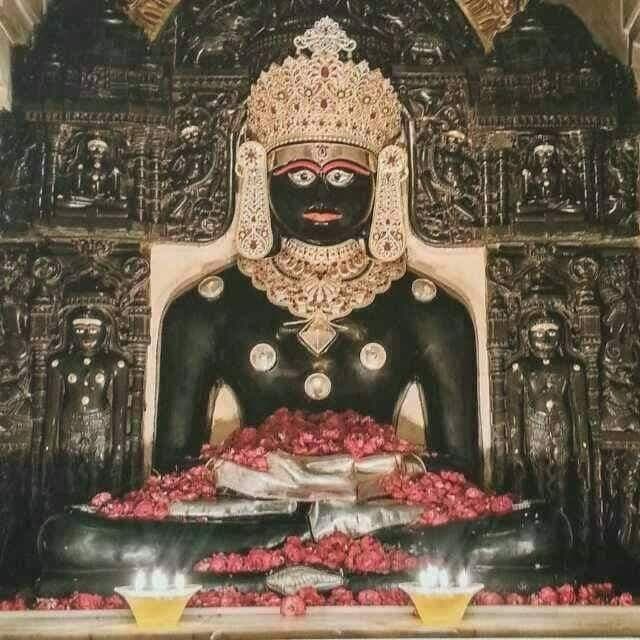
Neminath Jain Temple, Girnar
The Neminath Jain Temple, originally known as Karnavihara, is a significant Jain temple dedicated to the 24th Tirthankara, Neminatha, situated on Girnar hill in Gujarat, India. It is recognized as the foremost among the Girnar Jain temples, with its oldest existing structure dating back to the 12th century and built in the Māru-Gurjara architectural style.

Yogmaya Temple
The Yogmaya Temple, also known as Jogmaya Temple, is a Hindu temple in Mehrauli, New Delhi, dedicated to the goddess Yogmaya, an aspect of Maya and the sister of Krishna. It is considered one of the few surviving temples from the pre-Sultanate period in India and has undergone numerous reconstructions.
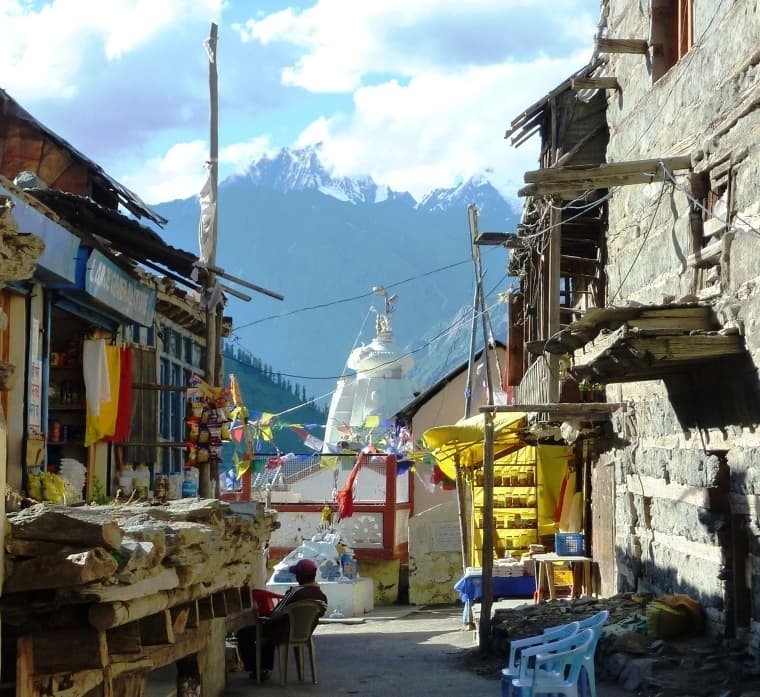
Triloknath Temple
The Triloknath Temple, located in Himachal Pradesh, India, is a significant religious site revered by both Tibetan Buddhists and Hindus. Originally believed to be a Buddhist vihara, it now houses a marble statue of Avalokiteshvara, worshipped as Shiva by Hindus and as Avalokiteshvara by Buddhists. The temple's architecture and history suggest a blend of influences, with its columns dating to the 9th century CE.