
Parvati Hill
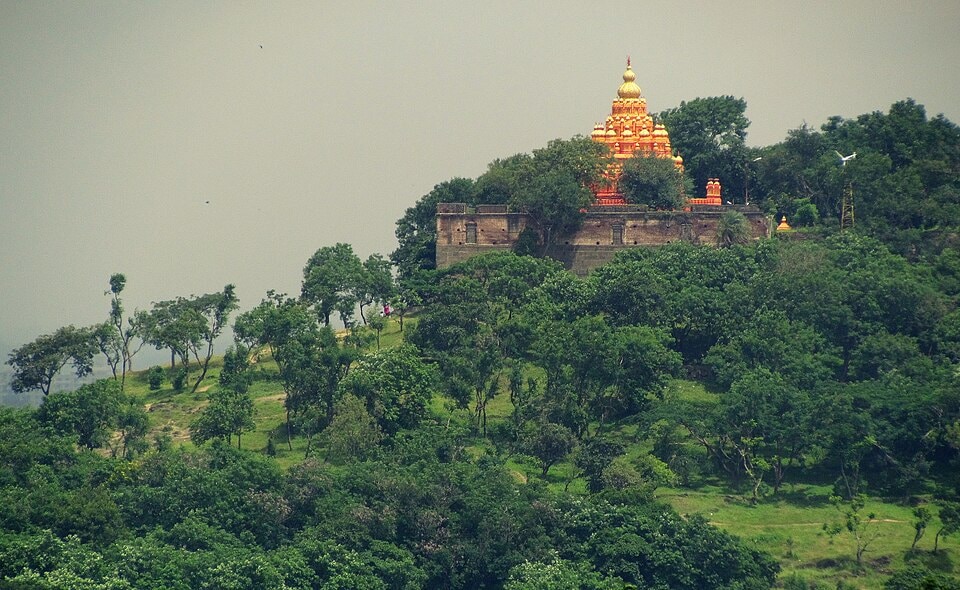
Parvati Hill is a significant hillock in Pune, India, rising to 2,100 feet above sea level and crowned by the Parvati Temple complex. It is recognized as Pune's oldest heritage structure, built during the Peshwa dynasty's rule, and offers panoramic views of the city. The hill is notable for the 108 steps leading to its summit, a number considered holy in Hinduism.
Key Facts
- ›Rises to 2,100 feet above sea level.
- ›Features the Parvati Temple, Pune's oldest heritage structure.
- ›Built during the rule of the Peshwa dynasty.
- ›Has 108 steps leading to the summit.
- ›Offers panoramic views of Pune.
- ›The main Devdeveshwar temple is made of blackstone.
Shiva, Parvati, Vitthal, Rukmini, Vishnu, Kartikeya, Surya, Bhawani
- Oldest Heritage Structure In Pune
- Observation Point With Panoramic Views of Pune
- Religious Pilgrimage Site
- Historical Importance Related To the Peshwa Dynasty
Peshwa Dynasty
Blackstone, Gold
Peshwa Balaji Baji Rao, Taware Family
About Parvati Hill
Parvati Hill is a significant hillock in Pune, India, rising to an elevation of 2,100 feet above sea level. It is renowned for housing the Parvati Temple complex, which stands as Pune's oldest heritage structure. The hill is a prominent landmark, offering visitors a strategic observation point with panoramic views of the city. The ascent to the temple is marked by 108 steps, a number held in high regard within Hinduism.
History and Construction
The hill was initially owned by a local Patil named Taware. It was later acquired by the Peshwa dynasty, who were instrumental in its development. The construction of the temple complex was initiated with the intention of building a temple for Shiva. The main temple, dedicated to Devdeveshwara (Shiva and Parvati), is constructed from blackstone and was completed under the patronage of Peshwa Balaji Baji Rao in 1749. A golden pinnacle was added to the temple in 1760, enhancing its grandeur.
Temple Complex and Other Structures
Atop Parvati Hill, there are five primary temples: the Devdeveshwar temple, the Kartikeya Temple, the Vishnu Temple, the Vitthal Temple, and the Rama Temple. Additionally, there are temples dedicated to Surya and Bhawani. The temples operate daily, opening at 5:00 AM and closing at 10:00 PM. Beyond its religious significance, the complex includes the Peshwa Museum, which displays historical artifacts from the Peshwa era, such as weaponry and personal effects. The samadhi of Peshwa Balaji Baji Rao is also located on the hill, marking the site where he spent the final moments of his life. Furthermore, the Parvati water tank, situated on the hill, plays a role in supplying water to a substantial portion of Pune.
Archaeological Interest
Located on the south-eastern side, midway up the hill, lies an old, unfinished Buddhist cave. This cave is believed to be contemporaneous with the Pataleshwar caves, adding a layer of ancient history to the site.
Source: Wikipedia ↗
Frequently Asked Questions
What is Parvati Hill?
Parvati Hill is a prominent hillock located in Pune, India, known for its scenic beauty and the historical Parvati Temple complex situated at its summit. It is a significant heritage site and a popular observation point offering expansive views of the city.
What is the significance of the 108 steps on Parvati Hill?
There are 108 steps leading to the top of Parvati Hill, where the temple is located. The number 108 is considered a holy number in Hinduism, adding to the spiritual significance of the ascent.
Which dynasty was responsible for the construction of Parvati Hill's temple?
The temple complex on Parvati Hill was built during the rule of the Peshwa dynasty. The hill was initially owned by a Patil named Taware, and later purchased by the Peshwa to construct the temple.
What deities are worshipped at the temples on Parvati Hill?
The main temple, Devdeveshwar, is dedicated to Shiva and Parvati. Other temples atop the hill are dedicated to Vitthal and Rukmini, Vishnu, and Kartikeya, along with temples for Surya and Bhawani.
Are there any other notable structures on Parvati Hill besides the temples?
Yes, Parvati Hill also features the Peshwa Museum, which houses artifacts from the Peshwa era, including weaponry, coins, and modes of transport. The samadhi (mausoleum) of Peshwa Balaji Baji Rao is also located there, where he spent his final days.
What is the architectural material of the main temple on Parvati Hill?
The main temple, known as Devdeveshwara, is constructed from blackstone. A gold pinnacle was added to this temple in 1760.
Related Temples (Hindu)

Taraknath Temple
The Taraknath Temple, located in Tarakeswar, West Bengal, India, is a significant Hindu pilgrimage site dedicated to Lord Shiva, worshiped here as Tarakanatha. Constructed in 1729, it features a distinct Bengal architectural style with an 'atchala' structure and an adjacent 'natmandir'. The temple is renowned for its belief that a dip in the nearby Dudhpukur tank fulfills prayers and is considered one of the 64 Jyotirlingas.

Ugratara Devalaya
Ugratara Devalaya is a significant Shakti shrine located in Guwahati, Assam, India, dedicated to the goddess Ugratara. Legend connects the temple to the navel of Sati, and it is noted for its unique representation of the deity as a water-filled pit rather than an idol.

Tara Devi Temple
Tara Devi Temple is a prominent Hindu religious site located at an altitude of 7200 feet above sea level near Shimla, India. The temple is dedicated to Goddess Tara Devi and is believed to grant blessings and fulfill the wishes of devotees who visit with unwavering faith. It is a popular destination, drawing thousands of visitors, especially on weekends.