
Parthasarathy Temple, Chennai
South Indian Temple Architecture·6th century·India
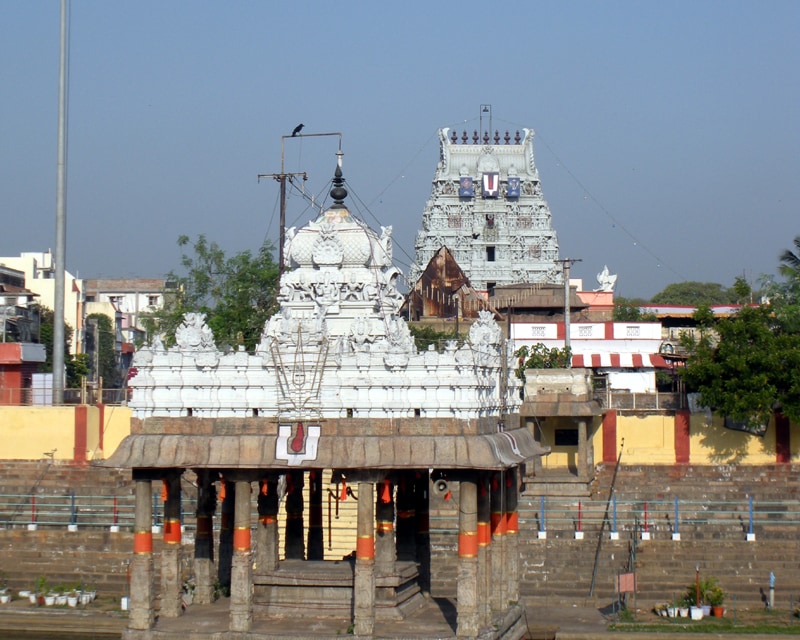
The Parthasarathy Temple in Chennai is a 6th-century Hindu Vaishnavite temple dedicated to Vishnu, renowned as the 'charioteer of Arjuna'. It is one of the oldest structures in Chennai and is celebrated in early medieval Tamil literature by the Alvar saints, classifying it among the 108 Divya Desams.
Key Facts
- ›Dedicated to Vishnu, specifically Krishna as Parthasarathy, the charioteer of Arjuna.
- ›Originally built by the Pallavas in the 6th century CE.
- ›One of the oldest structures in Chennai, with inscriptions dating back to the 8th century.
- ›Features shrines for five forms of Vishnu, including Yoga Narasimha, Rama, and Ranganatha.
- ›Glorified in the Naalayira Divya Prabandham, a canon of Alvar saints' devotional literature.
- ›The presiding deity is unusually depicted with a moustache and carries a conch.
Vishnu, Krishna, Parthasarathy, Yoga Narasimha, Rama, Gajendra Varadaraja, Ranganatha
- One of the Oldest Structures In Chennai
- Glorified In Naalayira Divya Prabandham
- Classified As One of the 108 Divya Desams
- Historical Patronage By Pallava, Chola, and Vijayanagara Dynasties
Pallava Dynasty, Chola Dynasty, Vijayanagara Empire
Brahmotsavams, Udayavar Utsavam, Sri Varadarajar Utsavam, Sri Nammalvar Utsavam, Vasantotsavam, AḻAgiyasingar Veneration, Vaikuntha Ekadashi, Theppam Festival
Pallavas, Narasimhavarman I, Dantivarman, Thirumangai Alvar, Chola Kings, Vijayanagara Kings, Sadasiva Raya, Sriranga Raya, Venkatapati Raya Ii, Tondaiman Chakravarthy, Raja Raja Chola, Kulottunga Iii, Maravarman, Ramaraja Venkatapathiraja, Vira Venkatapathy
- Sculptures of Various Forms of Vishnu, Especially Avatars
- Elaborate Carvings On Gopuram and Mandapas
Kairavani
About Parthasarathy Temple, Chennai
The Parthasarathy Temple, located in the Thiruvallikeni neighborhood of Chennai, India, is an ancient Hindu Vaishnavite temple dedicated to Vishnu. Its origins are traced back to the 6th century, making it one of the oldest structures in the city. The temple is particularly revered as it is glorified in the Naalayira Divya Prabandham, a canon of early medieval Tamil literature composed by the Alvar saints, and is classified among the 108 Divya Desams dedicated to Vishnu. The name 'Parthasarathy' signifies Krishna as the 'charioteer of Arjuna', referencing his role in the epic Mahabharata.
History and Construction
Originally constructed by the Pallava dynasty, the temple's foundation is attributed to king Narasimhavarman I in the 6th century. Over centuries, it underwent significant expansions and renovations, notably by the Chola dynasty and later by the Vijayanagara kings in the 15th century. Inscriptions found within the temple walls date back to the 8th century, from the period of Dantivarman, a devotee of Vishnu. The poet-saint Thirumangai Alvar, an 8th-century figure, also credits the Pallava king with the temple's construction. Further architectural additions, including sub-shrines and mandapas, were made during the Vijayanagara period.
Architecture and Iconography
The temple's architecture features the characteristic elements of South Indian Temple Architecture, with gopurams (towers) and mandapas (pillared halls) adorned with elaborate carvings. Within the sanctum, the temple is notable for housing icons of five forms of Vishnu: Yoga Narasimha, Rama, Gajendra Varadaraja, Ranganatha, and Krishna as Parthasarathy. Uniquely, the presiding deity, Krishna as Parthasarathy, is depicted with a moustache and holds a conch. The iconography also includes Krishna standing with his consort Rukmini, elder brother Balarama, son Pradyumna, grandson Aniruddha, and Satyaki.
Religious Significance and Worship
Parthasarathy Temple adheres to the Vaikhanasa Agama and follows the Tenkalai tradition of Vaishnavism. It is a significant pilgrimage site, especially during festivals like Vaikuntha Ekadashi, which attracts large crowds from across India. The temple celebrates numerous utsavam (festivals) throughout the year, including the grand Brahmotsavams for Parthasarathy, the colourful Theppam (Float) festival, and various celebrations for other deities housed within the complex. The temple is administered by the Hindu Religious and Charitable Endowments Department of the Government of Tamil Nadu.
Source: Wikipedia ↗
Frequently Asked Questions
What is the significance of the name Parthasarathy?
The name 'Parthasarathy' translates to 'charioteer of Arjuna'. This refers to the role of Lord Krishna as the charioteer for the Pandava prince Arjuna during the epic Mahabharata war.
When was the Parthasarathy Temple built and by whom?
The temple was originally built by the Pallavas, with its origins tracing back to the 6th century. Specific contributions are attributed to Pallava king Narasimhavarman I and later to king Dantivarman.
What forms of Vishnu are worshipped at the temple?
The temple enshrines icons of five forms of Vishnu: Yoga Narasimha, Rama, Gajendra Varadaraja, Ranganatha, and Krishna as Parthasarathy. There are also separate shrines for deities like Vedavalli Thayar, Andal, and Hanuman.
What is unusual about the depiction of Parthasarathy at this temple?
Unusually for this form, the idol of Parthasarathy at this temple is depicted with a prominent moustache and carries a conch in his hand. The idol also shows Krishna standing with his consort Rukmini, brother Balarama, son Pradyumna, grandson Aniruddha, and Satyaki.
What is the historical importance of the temple?
The Parthasarathy Temple is one of the oldest structures in Chennai, with inscriptions dating back to the 8th century. It was expanded by the Cholas and Vijayanagara kings, and has been mentioned by the 8th-century poet-saint Thirumangai Alvar.
What are some of the important festivals celebrated at the temple?
Major festivals include grand Brahmotsavams for Parthasarathy in April-May, Udayavar utsavam, Sri Varadarajar utsavam, Sri Nammalvar utsavam, Vasantotsavam, and the veneration of Aḻagiyasingar in June-July. The Vaikuntha Ekadashi in December-January draws many pilgrims, as does the Theppam (Float) festival in February.
Related Temples (Hindu)
Pashupatinath Temple, Mandsaur
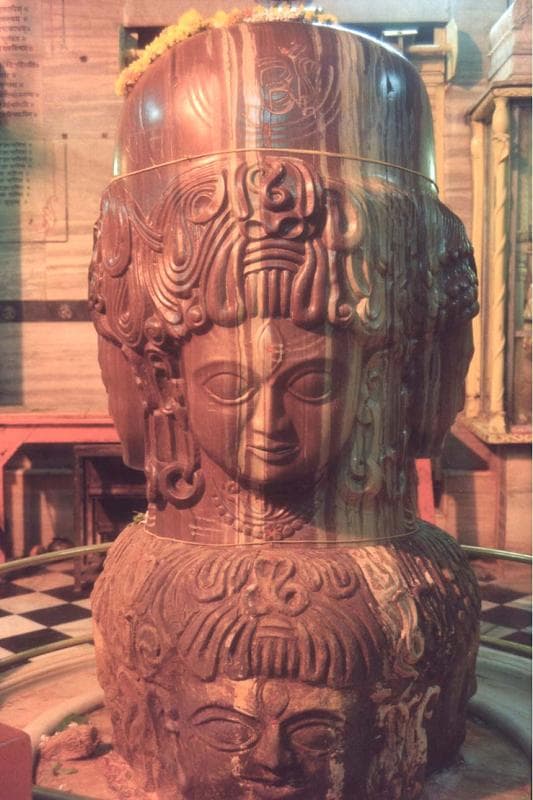
The Pashupatinath Temple in Mandsaur, Madhya Pradesh, India, is a significant Hindu temple dedicated to Lord Shiva, belonging to the Pashupatinath tradition within Shaivism. It is renowned for its rare eight-faced Shiva Linga, with the temple's sculpture dated to the 5th or 6th century CE, reflecting the artistic and cultural vibrancy of the Gupta Empire era.

Sharda Devi Temple Maihar satna
The Sharda Devi Temple in Maihar, Madhya Pradesh, is a significant Shakti Peeth dedicated to the goddess Sharda. According to legend, it is the site where the necklace of the goddess Sati fell. The temple is situated atop the Trikut hill and is a major pilgrimage destination, particularly during the Navratri festivals.

Harishchandragad
Harishchandragad is an ancient hill fort located in the Ahilyanagar district of India, with a history stretching back to the 6th century. It served as a strategic defensive point and cultural hub, featuring ancient caves, temples, and significant geological formations. The fort is renowned for its historical importance, architectural remnants, and natural beauty.