
Parsurameswar Temple
The Parsurameswar Temple in Bhubaneswar, Odisha, is a well-preserved early Hindu temple dating back to the Shailodbhava period, between the 7th and 8th centuries CE. Dedicated to Lord Shiva, it is recognized as one of the oldest temples in the region and is noted for its Nagara style architecture and intricate sculptures, including early depictions of Saptamatrikas.
Key Facts
- ›Considered the best-preserved specimen of an early Odia Hindu temple.
- ›Dated to the Shailodbhava period, between the 7th and 8th centuries CE.
- ›Dedicated to the Hindu god Shiva.
- ›Features Nagara style architecture and pre-10th century Kalinga Architecture elements.
- ›Notable for being the first temple in Bhubaneswar to contain depictions of the Saptamatrikas.
- ›Maintained and administered by the Archaeological Survey of India as a ticketed monument.

Shiva
- Best-Preserved Specimen of An Early Odia Hindu Temple
- Architectural Style Representative of the Shailodbhava Period
- Early Depictions of Saptamatrikas
- Prominent Tourist Attraction In Odisha
Shailodbhava
Parashuramashtami
Stone
Shailodbhavas
Saptamatrikas, Mahishamardini, Ardhanarishvara, Shiva As Nataraja, Ganesha, Virabhadra, Vishnu, Indra, Surya, Yama, Kartikeya, Shiva Subduing Ravana, Vetalas, Nagas and Nagins
About Parsurameswar Temple
The Parsurameswar Temple, located in Bhubaneswar, the capital of Odisha, India, stands as a significant example of early Hindu temple architecture. It is considered the best-preserved specimen of an Odia temple from the Shailodbhava period, with its construction generally dated between the 7th and 8th centuries CE. The temple is primarily dedicated to Lord Shiva and is among the oldest existing temples in the state. Its architectural style is predominantly Nagara, incorporating key features of pre-10th century Kalinga Architecture.
Architectural Features and Sculptures
Parsurameswar Temple is distinguished by its vimana (sanctum) and the addition of a jagamohana, a hall for worshippers, which was an innovation in early temples of Bhubaneswar. The vimana features a curvilinear spire, reaching a height of approximately 40.25 feet. The temple's walls are adorned with intricate sculptures. Notably, it is the first temple in Bhubaneswar to feature depictions of the Saptamatrikas, a group of seven mother goddesses, alongside images of other deities like Ganesha, Virabhadra, Vishnu, Indra, Surya, and Yama. It also contains an early representation of a six-armed Mahishamardini (Durga) and various depictions of Shiva, including as Nataraja in different dance poses.
Religious and Historical Context
According to local legend, the temple derives its name from the penance of Parashurama and Shiva's subsequent grace. The major festival celebrated here is Parashuramashtami, held annually in June-July. The temple's construction by the Shailodbhavas, who revered Shiva as their family deity, reflects their respect for Shakta traditions as well, incorporating Shakta deity images. The temple has undergone repairs, notably in 1903, while efforts have been made to retain its original structure. Its location on the eastern coast meant it was largely unaffected by later invasions. Today, the Parsurameswar Temple is maintained by the Archaeological Survey of India and is a popular tourist destination.
Source: Wikipedia ↗
Frequently Asked Questions
When was the Parsurameswar Temple built?
The Parsurameswar Temple is believed to have been built around 650 CE, with some historians placing its construction in the early 8th century CE. A mid-7th century date is generally agreed upon by scholars based on its architectural style and the depiction of the eight planets.
What is the architectural style of the Parsurameswar Temple?
The temple is built in the Nagara style, which emphasizes a vertical structure. It also incorporates features of the pre-10th century Kalinga Architecture style, including a vimana (sanctum) and a jagamohana (hall of worshippers).
What deities are worshipped at Parsurameswar Temple?
The temple is primarily dedicated to Lord Shiva. However, it also contains sculpted images of Shakta deities, including the Saptamatrikas (seven mother goddesses), which are typically found in Shakta temples.
What is significant about the sculptures found at Parsurameswar Temple?
The temple houses several significant sculptures, including the earliest representation of a six-armed Mahishamardini (Durga) and the first depictions of Saptamatrikas in Bhubaneswar. It also features images of Ardhanarishvara, Shiva as Nataraja, and various other deities and scenes.
What major festival is celebrated at Parsurameswar Temple?
The major festival celebrated at the temple is Parashuramashtami, which occurs in June-July. During this festival, a processional image of Lingaraja is brought to Parsurameswar Temple for veneration.
Who built the Parsurameswar Temple?
The Parsurameswar Temple was built by the Shailodbhavas, a dynasty that had Shiva as their family deity. They also showed respect for Shakta deities, as evidenced by the temple's carvings.
Related Temples (Hindu)
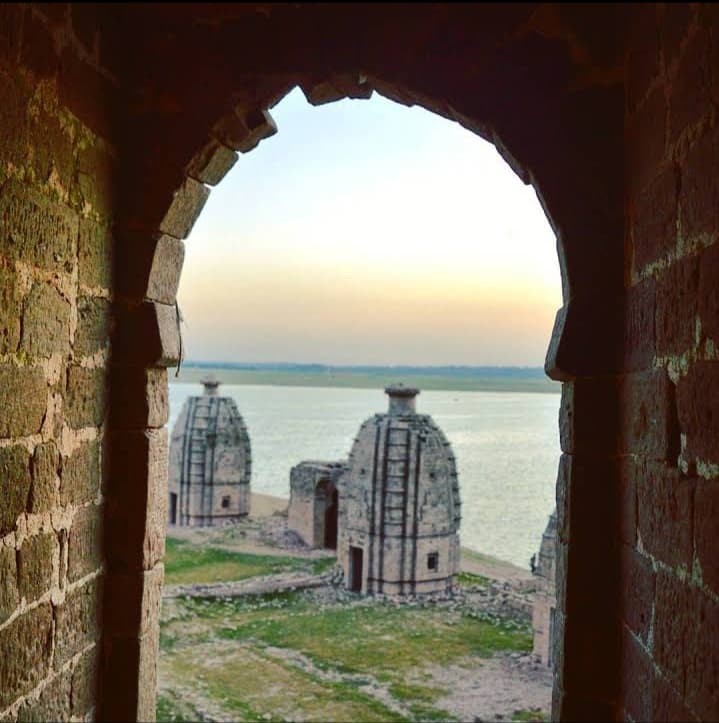
Bathu Temples
The Bathu Temples, also known as Bathu ki Ladi, are a cluster of ancient Hindu temples located in the Kangra district of Himachal Pradesh, India. Originally submerged by the Pong Dam reservoir in the 1970s, these temples are now only accessible for a few months each year when water levels recede. The main temple is primarily dedicated to Goddess Parvati and Lord Shiva, with some traditions also associating it with Lord Vishnu.

Masrur Temples
The Masrur Temples, an early 8th-century Hindu temple complex in Himachal Pradesh, India, are carved from a single monolithic rock. Dedicated to Shiva, Vishnu, Devi, and the Saura tradition, they showcase a North Indian Nagara architectural style, facing the Dhauladhar mountain range.
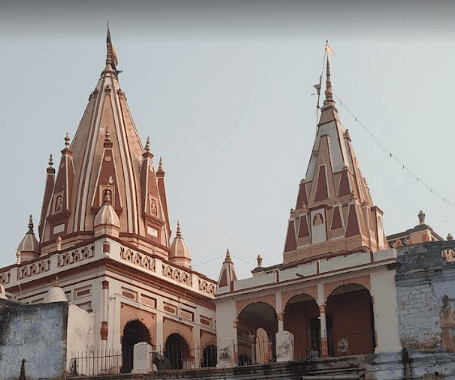
Budhanath Temple, Bhagalpur
The Budhanath Temple, also known as Vriddheshwarnath or Baba Bal Vridheshwarnath Temple, is a significant Hindu temple dedicated to Lord Shiva, located on the banks of the Uttarvahini Ganga in Bhagalpur, India. It is believed to be one of the 108 Nath temples mentioned in the Shiva Purana and is celebrated for its spiritual ambiance and as a focal point for regional cultural identity.