
Budhanath Temple, Bhagalpur
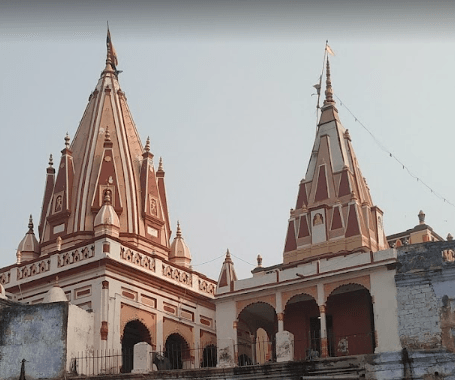
The Budhanath Temple, also known as Vriddheshwarnath or Baba Bal Vridheshwarnath Temple, is a significant Hindu temple dedicated to Lord Shiva, located on the banks of the Uttarvahini Ganga in Bhagalpur, India. It is believed to be one of the 108 Nath temples mentioned in the Shiva Purana and is celebrated for its spiritual ambiance and as a focal point for regional cultural identity.
Key Facts
- ›Dedicated to Lord Shiva, the temple is believed to date back to the Treta Yuga.
- ›It is recognized as one of the 108 Nath temples mentioned in the Shiva Purana.
- ›The temple complex spreads over approximately 3 acres and includes shrines for other deities like Durga and Hanuman.
- ›The architecture is a localized Nagara-style, noted more for its spiritual atmosphere than elaborate design.
- ›During the month of Shravan, the temple attracts over a million devotees for rituals like Rudrabhishek and Jalabhishek.
- ›A unique tradition involves a Muslim family performing shehnai music during Durga Puja, fostering communal harmony.
Shiva
Religious Landmark of Anga's Legacy, Focal Point For Regional Identity, Site of Communal Harmony During Festivals
Maha Shivaratri, Shravan, Durga Puja
Sage Vashishtha
Ganges River
About Budhanath Temple, Bhagalpur
The Budhanath Temple, also referred to as Vriddheshwarnath or Baba Bal Vridheshwarnath Temple, is a significant Hindu place of worship dedicated to Lord Shiva. It is prominently situated on the banks of the Uttarvahini Ganga, a unique northward-flowing stretch of the Ganges River, in the Jogsar area of Bhagalpur. The temple is steeped in tradition, with a widely held belief that its origins date back to the Treta Yuga, and it is recognized as one of the 108 Nath temples enumerated in the sacred Shiva Purana.
Architecture and Complex
Spanning approximately three acres, the Budhanath Temple complex is home to the main Shivlinga, which is considered Swayambhu (self-manifested). Alongside the primary deity, the complex features shrines dedicated to Goddess Durga, Radha-Krishna, Hanuman, and Parvati, as well as a statue of Nandi. The architectural style is described as a localized Nagara-style, prioritizing spiritual ambiance over ostentatious design. While much of the structure adheres to traditional aesthetics, the imagery and statues generally date from around 1937. Adjacent to the main temple, a shrine for Maa Bhavani is noteworthy, with local lore suggesting the idol arrived floating down the Ganga from Munger.
Festivals and Spiritual Significance
The temple is a focal point for numerous religious observances and festivals. Maha Shivaratri and the entire month of Shravan are particularly auspicious, drawing immense crowds. During Shravan, the temple precinct and the adjoining Budhanath Ghat witness over a million devotees performing sacred rituals such as Rudrabhishek and Jalabhishek. The temple also plays a role in fostering cultural harmony, notably through a tradition where a Muslim family has performed shehnai music for three generations during Durga Puja. Furthermore, the temple serves as the starting point for a large annual Kanwar Yatra to Baba Basukinath Dham, involving hundreds of devotees carrying Ganga water.
Cultural and Regional Context
As a religious landmark within Bhagalpur, historically known as Champanagari and the capital of the Anga region, Budhanath Temple is integral to the vibrant Angika culture. It contributes significantly to the region's cultural tapestry, serving as a focal point for regional identity and upholding the legacy of Anga. The temple is generally open daily from early morning to late evening, with visitors advised to dress modestly and seek permission before photographing within the main shrine.
Source: Wikipedia ↗
Frequently Asked Questions
What is the historical significance of Budhanath Temple?
Budhanath Temple is widely believed to date back to the Treta Yuga and is counted among the 108 Nath temples mentioned in the Shiva Purana. The Shiva Lingam is considered Swayambhu (self-manifested), possibly consecrated by Sage Vashishtha during Satya Yuga.
What deities are worshipped at Budhanath Temple?
The main deity worshipped at Budhanath Temple is Lord Shiva, represented by a Swayambhu Shivlinga. The temple complex also houses shrines for Goddess Durga, Radha-Krishna, Hanuman, and Parvati, along with a Nandi statue.
What are the major festivals celebrated at Budhanath Temple?
Key festivals and observances include Maha Shivaratri and the entire month of Shravan, which sees over a million devotees performing rituals. Durga Puja is also a significant event, noted for its decorations and a tradition of communal harmony.
What is the architectural style of Budhanath Temple?
The temple is built in a localized Nagara-style architecture. While much of the structure is traditional in design, the imagery and statues generally date from around 1937. The temple is primarily known for its spiritual ambiance.
Where is Budhanath Temple located and how can I get there?
Budhanath Temple is situated in Jogsar (Adampur), Bhagalpur, on the banks of the Uttarvahini Ganga. It is approximately 1.6 km from Bhagalpur Railway Station, a short rickshaw or auto ride away.
What is the significance of the Uttarvahini Ganga at Budhanath Temple?
The temple is located on the banks of the Uttarvahini Ganga, a rare northward-flowing stretch of the Ganges River. This ghat serves as a primary point for devotees to engage in sacred rituals connected with the temple's religious activities.
Related Temples (Hindu)

Mundeshwari Temple
The Mundeshwari Devi Temple, located on the Mundeshwari Hills in Bihar, India, is an ancient Hindu temple dedicated to Goddess Durga and Lord Shiva. It is recognized by the Archaeological Survey of India as a protected monument and is claimed by some scholars to be the oldest functional Hindu temple in the world, with evidence suggesting continuous worship since at least the 6th-7th century CE.

Mahamaya Temple
The Mahamaya Temple, located in Ratanpur, Chhattisgarh, India, is a significant Hindu temple dedicated to Goddess Durga and Mahalaksmi. It is recognized as one of the 52 Shakti Peethas and holds historical importance, with parts of the complex dating back to the 12th-13th centuries and a later structure built in 1492 CE.
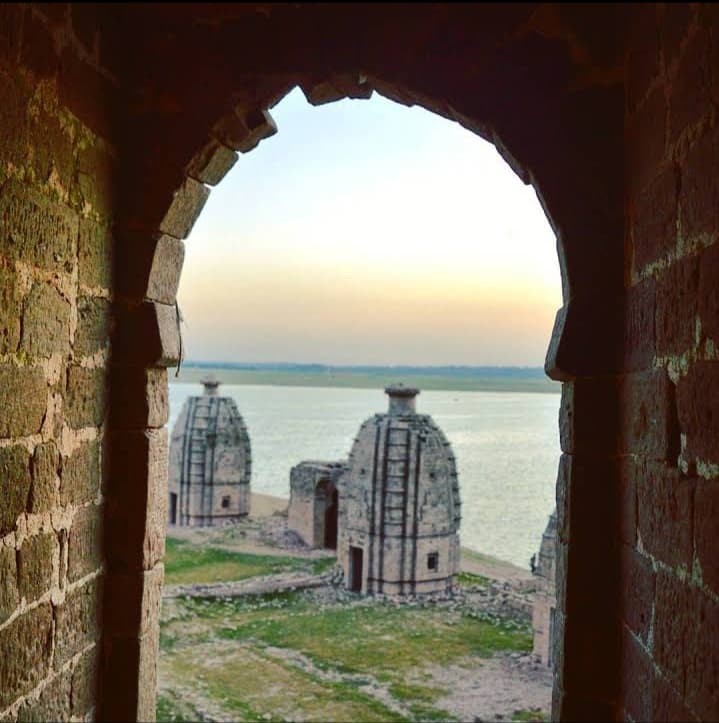
Bathu Temples
The Bathu Temples, also known as Bathu ki Ladi, are a cluster of ancient Hindu temples located in the Kangra district of Himachal Pradesh, India. Originally submerged by the Pong Dam reservoir in the 1970s, these temples are now only accessible for a few months each year when water levels recede. The main temple is primarily dedicated to Goddess Parvati and Lord Shiva, with some traditions also associating it with Lord Vishnu.