
Bathu Temples
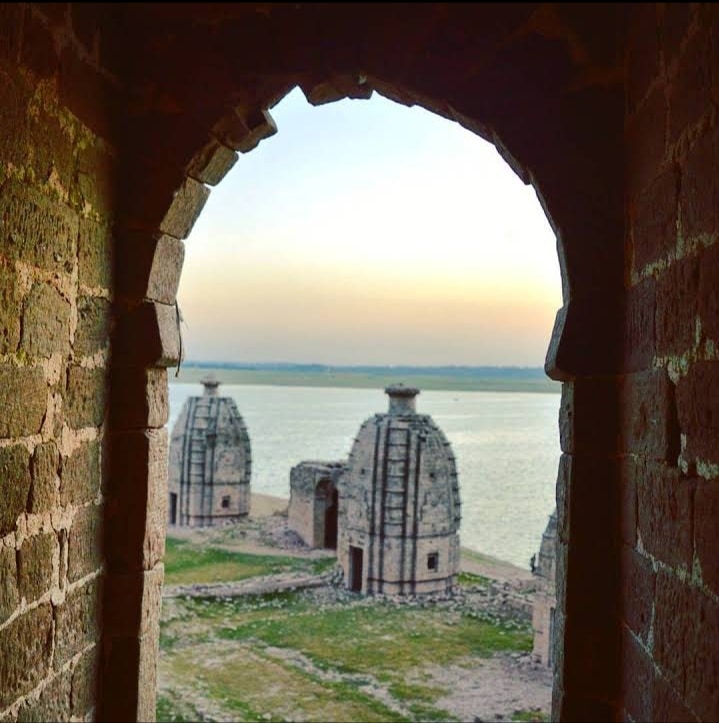
The Bathu Temples, also known as Bathu ki Ladi, are a cluster of ancient Hindu temples located in the Kangra district of Himachal Pradesh, India. Originally submerged by the Pong Dam reservoir in the 1970s, these temples are now only accessible for a few months each year when water levels recede. The main temple is primarily dedicated to Goddess Parvati and Lord Shiva, with some traditions also associating it with Lord Vishnu.
Key Facts
- ›The temples are submerged for approximately eight months annually due to the Pong Dam reservoir.
- ›They become accessible to visitors only between may and June when the water level decreases.
- ›Local folklore attributes their construction to the Pandavas during their exile.
- ›Historical records suggest the temples were built in the 8th century AD by the Hindu Shahi dynasty.
- ›The architecture follows the Nagara style, common in Himachal Pradesh.
- ›The temples are constructed from bathu stones, which have shown remarkable resilience to submersion.
Parvati, Shiva, Vishnu
- Historical Significance Attributed To the Hindu Shahi Dynasty and Pandava Legends
- Unique Architectural Style and Resilience To Submersion
- Seasonal Pilgrimage Destination Due To Water Level Fluctuations
Hindu Shahi Dynasty
Bathu Stones
Pandavas, Hindu Shahi Dynasty
Iconography of Goddess Kali, Lord Ganesha, Lord Vishnu Reclining On Sheshnag
Maharana Pratap Sagar
About Bathu Temples
The Bathu Temples, locally known as Bathu ki Ladi, constitute a significant cluster of ancient Hindu temples situated in the Kangra district of Himachal Pradesh, India. These temples hold a unique place in regional history and religious practice due to their seasonal accessibility, being submerged for most of the year in the Maharana Pratap Sagar reservoir. The main temple is primarily venerated as a dwelling for Goddess Parvati and Lord Shiva, although some local beliefs also associate it with Lord Vishnu.
History and Legends
Local folklore attributes the construction of the Bathu Temples to the Pandavas, the central figures of the epic Mahabharata, during their period of exile. Legend has it that the Pandavas attempted to build a staircase connecting to the Masrur rock temples overnight, but the construction was left incomplete. A half-finished stairway of forty steps remains visible today, accessible to the public. Historical records, however, provide a different timeline, suggesting that the temples were constructed in the 8th century AD by the Hindu Shahi dynasty.
Architecture and Resilience
The Bathu Temples are a prime example of the Nagara style of architecture, a style commonly found throughout Himachal Pradesh. They are constructed using local bathu stones, a material that has proven remarkably durable. Despite being submerged for approximately eight months annually following the creation of the Pong Dam reservoir in the early 1970s, the temples have sustained minimal damage, a testament to the quality of their construction and materials.
Religious Significance and Accessibility
While the primary dedication is to Parvati and Shiva, the temples also feature iconography of Goddess Kali, Lord Ganesha, and Lord Vishnu reclining on Sheshnag, indicating a broader devotional scope. Devotees typically worship independently, as there are no resident priests at the site. The temples are only accessible to visitors between May and June, when the water levels of the Maharana Pratap Sagar recede, revealing the ancient structures. This seasonal revelation makes the Bathu Temples a unique pilgrimage destination.
Preservation Concerns
The acquisition of the land for the Pong Dam reservoir in the 1970s led to a commitment by the government to build a new temple structure and relocate the idols, a promise that has not yet been fulfilled. Conservationists continue to advocate for the preservation of these ancient temples. In 2022, the Indian National Trust for Art and Cultural Heritage (INTACH) formally requested the Archaeological Survey of India (ASI) to consider relocating and preserving the Bathu Temples.
Source: Wikipedia ↗
Frequently Asked Questions
When are the Bathu Temples accessible to visitors?
The Bathu Temples are typically accessible to visitors only between May and June. This limited access is due to their submersion in the Maharana Pratap Sagar reservoir created by the Pong dam; the temples become visible only when the water level decreases.
Who is believed to have built the Bathu Temples?
According to local folklore, the Bathu Temples were built by the Pandavas during their period of exile. They are said to have attempted to construct a staircase connecting to the Masrur rock temples, a portion of which is still visible.
What is the architectural style of the Bathu Temples?
The Bathu Temples are built in the Nagara style of architecture, which is a prevalent style in the state of Himachal Pradesh. Despite being submerged for significant periods, the structures have sustained minimal damage.
What deities are worshipped at the Bathu Temples?
The main temple is primarily dedicated to Goddess Parvati and Lord Shiva. However, some traditions also believe the central temple is dedicated to Lord Vishnu. Iconography of Goddess Kali and Lord Ganesha, as well as Lord Vishnu reclining on Sheshnag, are found within the temples.
What is the historical period associated with the construction of the Bathu Temples?
While local legends attribute the construction to the Pandavas, parallel historical records suggest that the temples were built in the 8th century AD. This construction is attributed to the Hindu Shahi dynasty.
What efforts are being made for the preservation of the Bathu Temples?
Conservationists and organizations like the Indian National Trust for Art and Cultural Heritage (INTACH) have been advocating for the protection of the Bathu Temples. In 2022, INTACH requested the Archaeological Survey of India (ASI) to consider relocating the ancient temples.
Related Temples (Hindu)

Parsurameswar Temple
The Parsurameswar Temple in Bhubaneswar, Odisha, is a well-preserved early Hindu temple dating back to the Shailodbhava period, between the 7th and 8th centuries CE. Dedicated to Lord Shiva, it is recognized as one of the oldest temples in the region and is noted for its Nagara style architecture and intricate sculptures, including early depictions of Saptamatrikas.

Masrur Temples
The Masrur Temples, an early 8th-century Hindu temple complex in Himachal Pradesh, India, are carved from a single monolithic rock. Dedicated to Shiva, Vishnu, Devi, and the Saura tradition, they showcase a North Indian Nagara architectural style, facing the Dhauladhar mountain range.
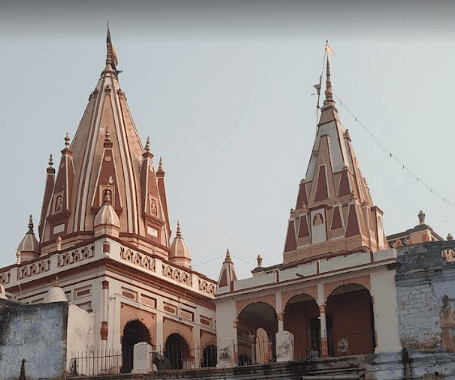
Budhanath Temple, Bhagalpur
The Budhanath Temple, also known as Vriddheshwarnath or Baba Bal Vridheshwarnath Temple, is a significant Hindu temple dedicated to Lord Shiva, located on the banks of the Uttarvahini Ganga in Bhagalpur, India. It is believed to be one of the 108 Nath temples mentioned in the Shiva Purana and is celebrated for its spiritual ambiance and as a focal point for regional cultural identity.