
Nrusinghanath Temple
Kalinga Architecture (Deula style)·15th century·India
The Nrusinghanath Temple, located in Western Odisha, India, is a significant Hindu temple situated at the foothills of the Gandhamardhan hills. Founded in the early 15th century by the King of Patna, Baijal Singh Dev, it is dedicated to Lord Nrusinghnath. The temple is renowned for its mythological history, architectural style, and its role as a pilgrimage site.
Key Facts
- ›The temple was founded in the early 15th century CE by King Baijal Singh Dev of Patna.
- ›It is dedicated to Lord Nrusinghnath, an incarnation of Vishnu.
- ›The temple follows the Kalinga Architecture of Deula style prevalent in Odisha.
- ›A significant annual fair is held in honor of Lord Nrusinghnath during Vaishakha shukla chaturdashi.
- ›The temple complex includes an antechamber known as Jagamohan with three gates.
- ›Legend connects the temple to the suppression of the demon Musika Daitya by Vishnu in his Marjara Keshari (Feline Form) incarnation.

Nrusinghnath, Marjara Keshari
Religious Pilgrimage Site, Architectural Masterpiece, Mythological Importance
Patna Kingdom
Nrusimha-Chatrurdasi
Baijal Singh Dev
28 ft Hanuman Statue
About Nrusinghanath Temple
The Nrusinghanath Temple is a significant Hindu temple located in Western Odisha, India, nestled at the foothills of the Gandhamardhan hills near Paikmal, Bargarh. The temple's construction is attributed to King Baijal Singh Dev of Patna, who laid its foundation in the early 15th century CE. It is a notable example of Kalinga Architecture, specifically following the Deula style prevalent in Odisha.
History and Mythology
The temple is steeped in mythology, most famously associated with the legend of Vishnu Mani's incarnation as Marjara Keshari (Feline Form). According to the narrative, Marjara Keshari appeared to suppress the tyrannical Mouse Demon, Musika Daitya, who had afflicted the people. The demon reportedly never emerged from his tunnel, and Marjara Keshari has been depicted as waiting to consume him since that day, symbolizing the grounding of demonic evil.
The temple's construction date is corroborated by Odia and Devnagari inscriptions, placing it in the early 15th century AD. Historical accounts by the Chinese traveler Huen Tsang suggest that this region was once a center for Buddhist scriptural learning.
Religious and Tourist Significance
Lord Nrushinghnath is a greatly revered deity in Odisha, and the temple draws numerous devotees. A major annual fair is held in his honor on the 14th day of the bright fortnight in the month of Vaisakha (Nrusimha-chatrurdasi day, typically in May), attracting thousands of pilgrims from across the region. The temple complex itself is relatively modest in height, divided into the main shrine of Lord Nrusinghnath and an antechamber, the Jagamohan, which features three gates supported by pillars.
Beyond the main temple, the surrounding Gandhamardhan hills offer several tourist attractions, including various water springs and natural formations such as Chal dhar, Bhim Dhar, and Sita Kunda. The area has seen developing tourism, and a garden near the temple houses statues depicting different avatars of Lord Krishna and a prominent 28-foot statue of Hanuman.
Source: Wikipedia ↗
Frequently Asked Questions
Who founded the Nrusinghanath Temple and when?
The Nrusinghanath Temple was founded in the early 15th century CE by King Baijal Singh Dev of Patna. Odia and Devnagari inscriptions support this historical attribution.
What is the mythological significance of the Nrusinghanath Temple?
According to legend, the temple's fame stems from the story of Vishnu Mani, in his incarnation as Marjara Keshari (Feline Form), suppressing the tyrannical Mouse Demon, Musika Daitya. The deity has been guarding against this evil power since then.
What is the architectural style of the Nrusinghanath Temple?
The Nrusinghanath Temple is a masterpiece of Kalinga Architecture, specifically adhering to the Deula style that is prevalent in the Odisha region of India.
When is the main festival celebrated at Nrusinghanath Temple?
A great fair is held in honor of Lord Nrusinghnath on the 14th day of the bright fortnight in the month of Vaisakha, which falls on Nrusimha-chatrurdasi day during Vaishakha shukla chaturdashi, typically in May. This event attracts thousands of pilgrims.
What are some nearby attractions to the Nrusinghanath Temple?
Near the temple, visitors can explore sites like Chal dhar, Bhim Dhar, Sita Kunda, Panchupandav, and Kapil Dhar, all located within the Gandhamardhan hills. The temple complex also features a garden with statues of various avatars of Lord Krishna and a 28 ft Hanuman statue.
Related Temples (Hindu)

Yaganti temple
The Sri Yaganti Uma Maheswara Temple, located in Andhra Pradesh, India, is a significant Hindu temple dedicated to Shiva. Constructed in the 15th century by the Vijayanagara Empire's Sangama Dynasty, it is known for its unique architectural features and popular beliefs surrounding a growing Nandi statue and the absence of crows.
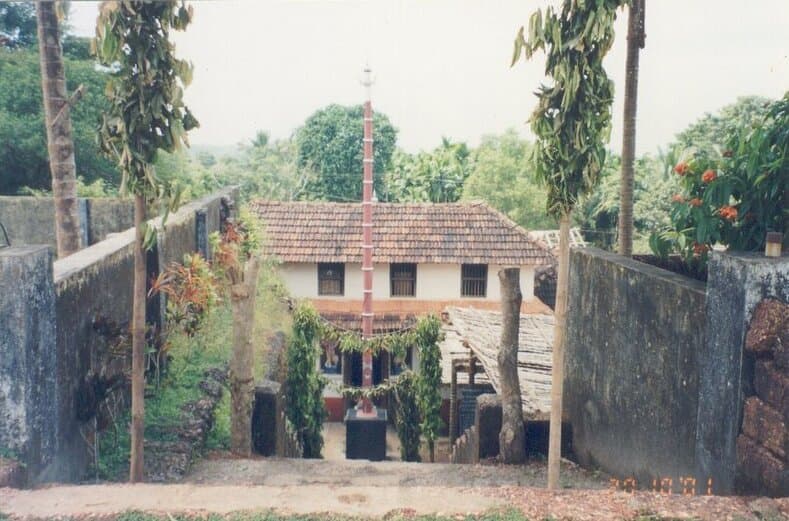
Nellitheertha Cave Temple
The Nellitheertha Cave Temple, located in Nellitheertha, Karnataka, India, is a Hindu temple primarily dedicated to Lord Shiva, also known as Somanatheshwara. The temple's origins can be traced back to at least 1487 CE and features a significant natural cave with a lake and a Shiva Lingam inside.
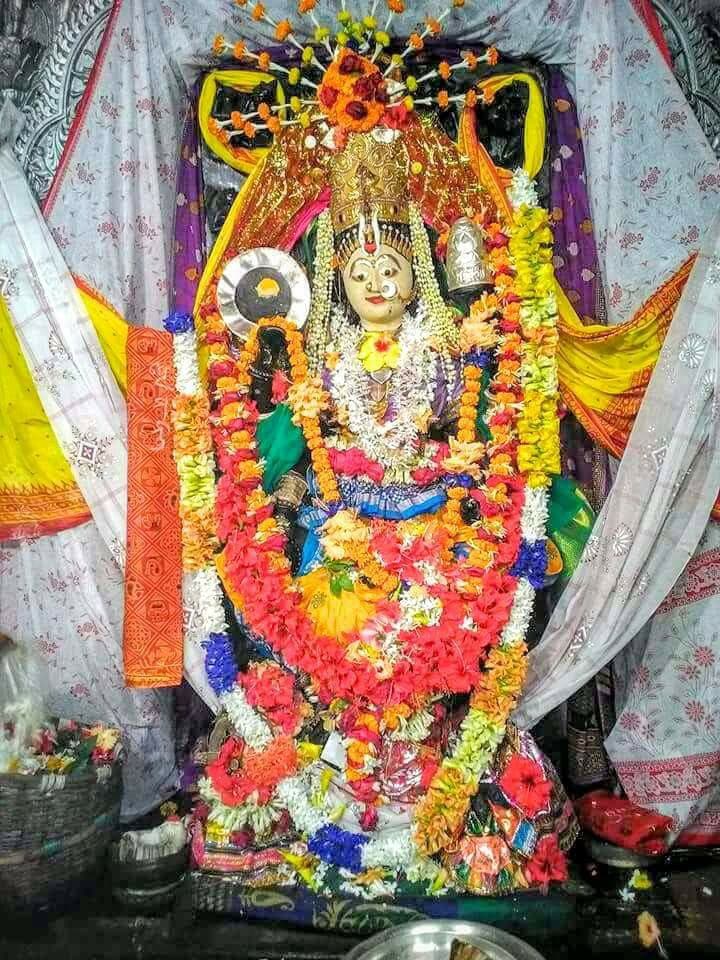
Kakatpur Mangala Temple
The Kakatpur Mangala Temple, located in Odisha, India, is a significant 15th-century Hindu Shakta pitha dedicated to Maa Mangala, a manifestation of the goddess Durga. It is renowned for its unique Utkaliya Peedha Vimana architectural style and its deep association with the Jagannath Temple in Puri, playing a crucial role in the Nabakalevara ritual.