
Nageswaraswamy Temple, Kumbakonam
Early Chola·9th century·India
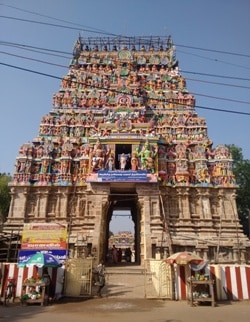
The Nageswaraswamy Temple in Kumbakonam, Tamil Nadu, is a significant Hindu temple dedicated to Lord Shiva, revered as Nageswarar. It is recognized as one of the earliest Chola temples, with its oldest structures dating back to the 9th century. The temple is renowned for its unique architectural features and its association with celestial body Rahu, making it a vital pilgrimage site.
Key Facts
- ›The temple is dedicated to Lord Shiva, worshipped as Nageswarar.
- ›It is considered one of the earliest Chola temples, with its oldest parts built in the 9th century.
- ›The temple is a Paadal Petra Sthalam, mentioned in the 7th-century Saiva canonical work, Tevaram.
- ›It is known for its shrine to Rahu, one of the nine celestial bodies in the Navagrahas.
- ›Sunlight directly illuminates the sanctum during the Tamil months of Chithirai (April/May).
- ›The temple complex is one of the largest in the state and features three towering gopurams.
Shiva
- One of the Earliest Chola Temples
- Paadal Petra Sthalam
- Astronomical Alignment Allowing Sunlight On Sanctum
- Pilgrimage Site For Rahu-Dosha Relief
Chola Dynasty, Thanjavur Nayaks, Thanjavur Maratha Kingdom, Vijayanagar Period
Brahmotsavam, Mahashivaratri, Chithirai Festival
Stone
Aditya Chola
Ardhanari, Brahma, Dakshinamoorthy, Gangai Vinayagar
River Kaveri, Naga Theertham
About Nageswaraswamy Temple, Kumbakonam
The Nageswaraswamy Temple, located in the town of Kumbakonam in the Thanjavur district of Tamil Nadu, India, is a significant Hindu temple dedicated to Lord Shiva. It is revered as Nageswarar and holds the distinction of being counted among the earliest Chola temples. The temple's earliest extant structures date back to the 9th century, attributed to the Chola dynasty, with significant later expansions and additions made by patrons such as the Thanjavur Nayaks and the Thanjavur Maratha kingdom.
Religious and Canonical Importance
The presiding deity is venerated in the 7th-century Tamil Saiva canonical work, the Tevaram, by the Nayanars, a group of Tamil poet saints. This recognition classifies the Nageswaraswamy Temple as a Paadal Petra Sthalam, one of the 275 temples that find mention in the Saiva canon. The temple is situated on the northern banks of the Cauvery River.
Architecture and Astronomical Features
The temple is a marvel of Chola architecture, building technology, and astronomical understanding. Its orientation is meticulously designed to allow sunlight to enter the sanctum directly only during the Tamil month of Chithirai (April/May), a phenomenon that aligns with the worship of Surya (the Sun God). The sanctum sanctorum is constructed in a form resembling a chariot, much like the Sarangapani Temple in Kumbakonam. The complex boasts three imposing gateway towers, known as gopurams, and houses numerous shrines, with those dedicated to Nageswarar, Pralayamkathanathar, and Periyanayagi being the most prominent.
Legend and Associations
According to legend, the water body within the temple, known as Naga Theertham, is where Adisesha performed penance to gain strength. The temple is particularly famous for its shrine dedicated to Rahu, one of the Navagrahas (nine celestial bodies). Myths recount that the mythological serpents Dakshan and Kaarkotakan worshipped Lord Shiva here, and King Nala also offered prayers at this site. The temple is also associated with the Mahamaham festival, a significant event that occurs every 12 years in Kumbakonam.
Administration and Worship
The Nageswaraswamy Temple is actively maintained and administered by the Hindu Religious and Charitable Endowments Department of the Government of Tamil Nadu. It has six daily rituals performed throughout the day, along with twelve yearly festivals. The temple priests, belonging to the Shaiva community, conduct daily pujas and observe various weekly, fortnightly, and monthly rituals, including the grand Mahashivaratri festival and the Brahmotsavam during the Tamil month of Panguni.
Source: Wikipedia ↗
Frequently Asked Questions
When was the Nageswaraswamy Temple built?
The oldest parts of the present masonry structure of the Nageswaraswamy Temple were built during the Chola dynasty in the 9th century. Later expansions were carried out by subsequent dynasties, including the Thanjavur Nayaks in the 16th century.
What is the significance of the Nageswaraswamy Temple?
The temple is significant as one of the earliest Chola temples and a Paadal Petra Sthalam, revered in the 7th-century Tamil Saiva canonical work, Tevaram. It is also known for its shrine dedicated to Rahu and the unique phenomenon of sunlight illuminating the sanctum annually.
What is the architectural style of the Nageswaraswamy Temple?
The temple showcases early Chola art and architecture, with its sanctum built in the padabandha-padmaka type. The complex also features halls that simulate chariots, similar to other notable temples in the region.
Which deities are primarily worshipped at Nageswaraswamy Temple?
The primary deity worshipped at Nageswaraswamy Temple is Lord Shiva, revered as Nageswarar. Prominent shrines also include those for Pralayamkathanathar and Periyanayagi.
What is the legend associated with the Nageswaraswamy Temple and Rahu?
The temple is particularly known for its shrine of Rahu, one of the nine celestial bodies in the Navagrahas. Hindu belief suggests that individuals troubled by Sarpa-dosha or the malefic effects of Rahu-Kethu seek relief by offering prayers here.
What are the major festivals celebrated at Nageswaraswamy Temple?
The major festival celebrated at Nageswaraswamy Temple is Brahmotsavam, which occurs during the Tamil month of Panguni when the Sun's rays fall directly on the sanctum image. Mahashivaratri, celebrated in February-March, is another significant festival.
Related Temples (Hindu)

Tanot Mata Temple
The Tanot Mata Temple is a significant Hindu shrine located in the Jaisalmer district of Rajasthan, India, near the Pakistan border. Revered as a form of Goddess Hinglaj Mata, the temple is famously associated with the Indian victories in the Indo-Pakistani Wars of 1965 and 1971, with local folklore attributing the successful outcomes to divine intervention. The Border Security Force of India now manages the temple complex, which also includes a victory tower and a war museum.

Kumararama
The Kumararama Temple, also known as Bhimarama or Chalukya Kumararama Bhimeswara Temple, is a significant Hindu temple dedicated to Lord Shiva, located in Samalkota, Andhra Pradesh. It is one of the five Pancharama Kshetras and is renowned for its unique limestone Shiva Lingam, which is 16 feet tall and pierces through the roof to the second floor.
Triloknath Temple
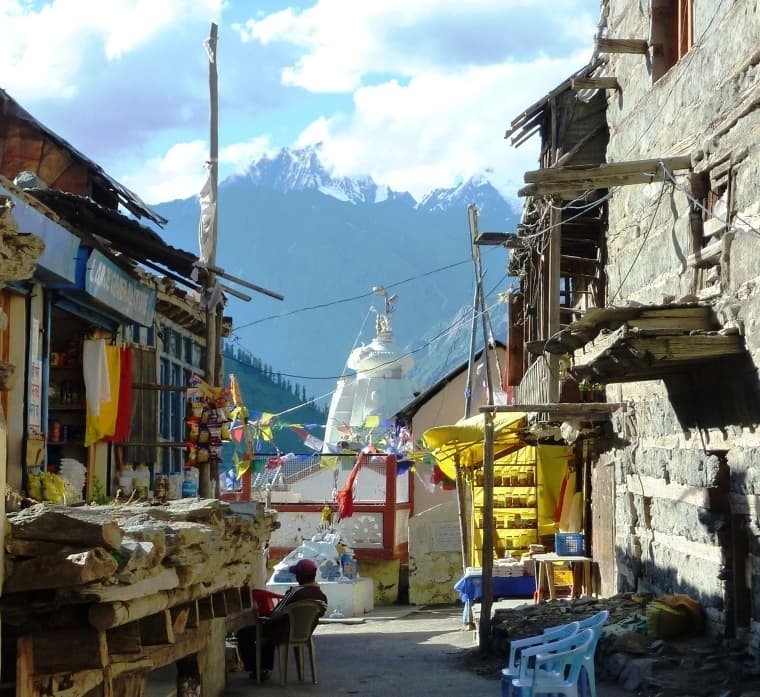
The Triloknath Temple, located in Himachal Pradesh, India, is a significant religious site revered by both Tibetan Buddhists and Hindus. Originally believed to be a Buddhist vihara, it now houses a marble statue of Avalokiteshvara, worshipped as Shiva by Hindus and as Avalokiteshvara by Buddhists. The temple's architecture and history suggest a blend of influences, with its columns dating to the 9th century CE.