
Nageshwar Jyotirlinga
Nageshwar Jyotirlinga is a significant Hindu temple located in Dwarka, Gujarat, India, dedicated to Lord Shiva. It is recognized as one of the twelve principal Jyotirlingas, sacred manifestations of Shiva, and is steeped in ancient legends and scriptural references, particularly within the Shiva Purana.
Key Facts
- ›It is one of the twelve Jyotirlingas, considered highly auspicious manifestations of Lord Shiva.
- ›The temple is situated in Dwarka, Gujarat, India, on the western coast.
- ›Legends associate its origin with a demon named Daruk and a devotee named Supriya.
- ›The temple is believed to be located in the ancient forest of Darukavana, though its exact historical location is debated.
- ›It is dedicated to Lord Shiva in the form of a lingam, symbolizing his infinite nature.
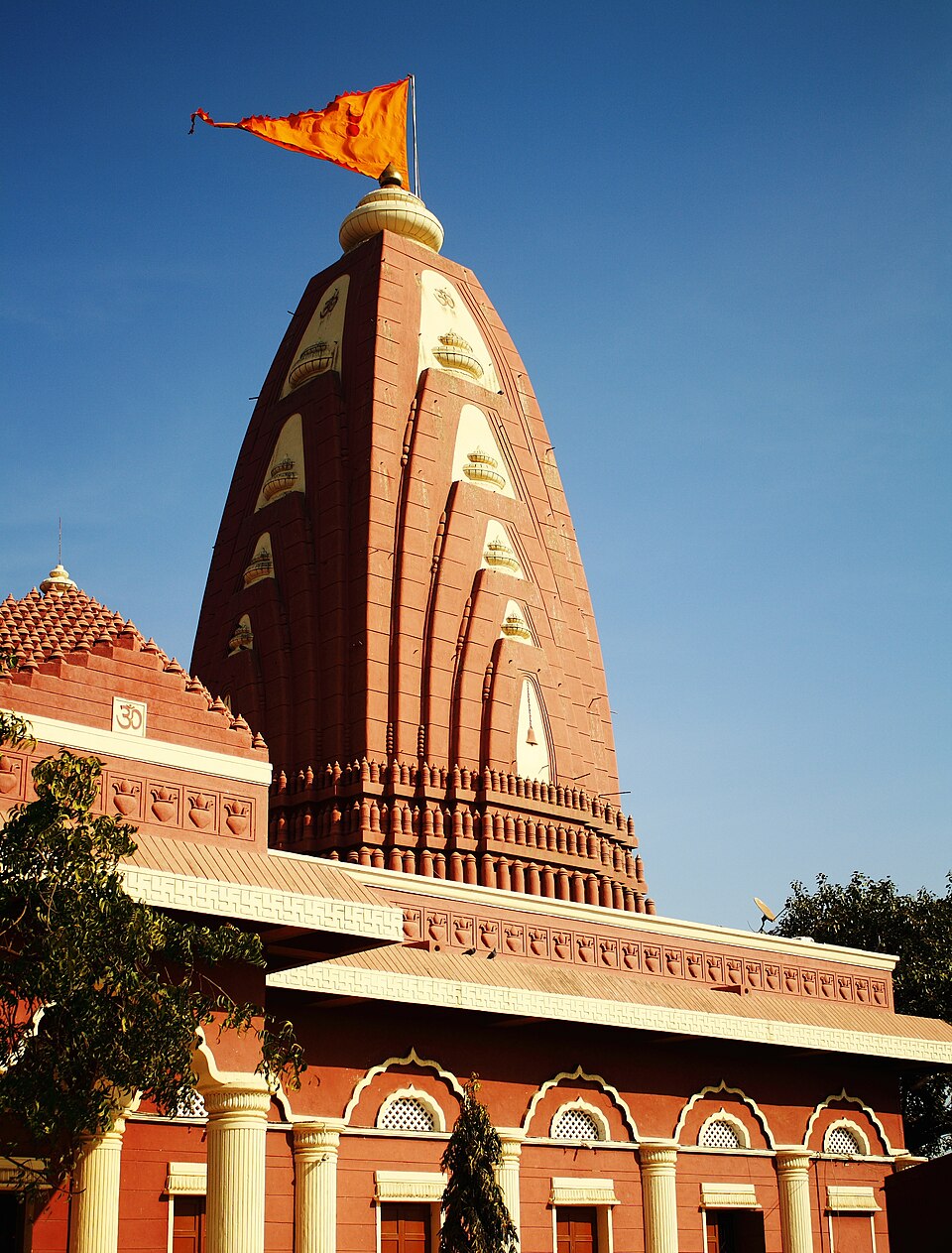
Shiva
One of the Twelve Jyotirlingas, Mentioned In the Shiva Purana, Pilgrimage Site
Supriya, Daruka
Arabian Sea
About Nageshwar Jyotirlinga
Nageshwar Jyotirlinga is a revered Hindu temple situated in Dwarka, Gujarat, India, dedicated to Lord Shiva. It holds significant religious importance as one of the twelve principal Jyotirlingas, which are considered sacred manifestations of Shiva across the Indian subcontinent. The temple's origins are deeply rooted in ancient scriptures, particularly the Shiva Purana, which narrates legends associated with its establishment.
Legend and Mythology
The Shiva Purana recounts a prominent legend involving a demon named Daruk and his wife Daruka, who terrorized devotees. A devout Shiva follower named Supriya, along with other prisoners, chanted the mantra 'Om Namah Shivaya.' In response to their devotion, Lord Shiva appeared in the form of a Jyotirlinga to vanquish Daruk and protect his devotees. This event led to the establishment of the lingam, which came to be known as Nagesha, and Shiva assumed the form of Nageshwar Jyotirlinga.
Location and Controversy
The precise historical location of the legendary forest of Darukavana, mentioned in connection with Nageshwar Jyotirlinga, remains a subject of scholarly discussion. While the text indicates a location on the 'Western Sea,' interpretations vary. Some scholars link it to the Nageswara temple at Dwarka due to the similarity in names, while others point to the Jageswara temple in Almora, Uttarakhand, based on textual associations with deodar forests. Another interpretation suggests a location in Maharashtra.
Religious Significance
As a Jyotirlinga, Nageshwar represents the supreme, indivisible reality of Lord Shiva. Each of the twelve Jyotirlinga sites is considered a separate manifestation of Shiva, with the primary deity being a lingam symbolizing his infinite nature. Nageshwar Jyotirlinga is a significant pilgrimage destination for devotees seeking spiritual solace and blessings from Lord Shiva.
Source: Wikipedia ↗
Frequently Asked Questions
What is a Jyotirlinga?
A Jyotirlinga is a sacred shrine where Lord Shiva is said to have appeared as a boundless pillar of light. These shrines commemorate moments when Shiva manifested to test or bless his devotees, symbolizing his supreme and indivisible reality.
What is the legend behind Nageshwar Jyotirlinga?
According to the Shiva Purana, a demon named Daruk and his wife Daruka created havoc. A Shiva devotee named Supriya, along with other prisoners, chanted Shiva's mantra. Lord Shiva appeared to vanquish Daruk and establish himself as the Nageshwar Jyotirlinga.
Where is Nageshwar Jyotirlinga located?
Nageshwar Jyotirlinga is situated in Dwarka, Gujarat, India. It is historically associated with a region known as Darukavana, believed to be on the western coast.
Is the location of Nageshwar Jyotirlinga definitively known?
The exact historical location of the legendary forest of Darukavana, and thus Nageshwar Jyotirlinga, is subject to debate. While some clues point to the western coast near Dwarka, other interpretations suggest locations like Almora or Maharashtra based on textual references.
What is the significance of the name Nageshwar?
The name Nageshwar is derived from 'Nagesha,' which was the name given to the lingam established by the devotee Supriya. It is also associated with the serpent deity (Naga), often linked with Lord Shiva.
Related Temples (Hindu)

Taraknath Temple
The Taraknath Temple, located in Tarakeswar, West Bengal, India, is a significant Hindu pilgrimage site dedicated to Lord Shiva, worshiped here as Tarakanatha. Constructed in 1729, it features a distinct Bengal architectural style with an 'atchala' structure and an adjacent 'natmandir'. The temple is renowned for its belief that a dip in the nearby Dudhpukur tank fulfills prayers and is considered one of the 64 Jyotirlingas.

Tanot Mata Temple
The Tanot Mata Temple is a significant Hindu shrine located in the Jaisalmer district of Rajasthan, India, near the Pakistan border. Revered as a form of Goddess Hinglaj Mata, the temple is famously associated with the Indian victories in the Indo-Pakistani Wars of 1965 and 1971, with local folklore attributing the successful outcomes to divine intervention. The Border Security Force of India now manages the temple complex, which also includes a victory tower and a war museum.

Thriprayar Temple
The Thriprayar Temple, also known as the Shree Ramaswami Temple, is a significant Hindu temple located in Triprayar, Thrissur district, Kerala, India. It is dedicated to Lord Rama, the seventh incarnation of Vishnu, who is depicted with four arms holding a conch, discus, bow, and garland. The temple's origin story involves the idol being worshipped by Krishna in Dwarka, later immersed in the sea, and eventually found by fishermen.