
Nagaraja Temple, Nagercoil
The Nagaraja Temple in Nagercoil, Tamil Nadu, India, is an ancient temple whose exact dating is uncertain but is likely pre-12th century. Originally a Jain shrine, it now houses shrines dedicated to Nagaraja, Krishna, and Shiva, reflecting a significant integration of Jain and Hindu iconography and deities.
Key Facts
- ›The temple's oldest shrine is dedicated to Nagaraja, the king of serpents.
- ›It features a unique blend of Jain and Hindu iconography, with Jain Tirthankaras and Hindu deities coexisting.
- ›Inscriptions suggest the temple was originally a Jain place of worship, possibly dedicated to Parsvanatha.
- ›Since the 17th century, new Hindu shrines have been added, attracting devotees of Krishna, Shaivism, and Shaktism.
- ›The main sanctum retains its original features of a thatched roof, mud walls, and a sand floor.
- ›The annual Brahmotsavam, a ten-day chariot festival, is the temple's main celebration.

Nagaraja, Krishna, Shiva
- Religious Integration of Jain and Hindu Traditions
- Historical Jain Site
- Pilgrimage Destination For Devotees of Nagaraja, Krishna, and Shiva
Brahmotsavam
Sand, Mud, Thatch, Stone
- Travancore King Bhutaalvira Udayamarttandavarman
Jain Tirthankaras, Padmavati Devi, Nagaraja Idol
About Nagaraja Temple, Nagercoil
The Nagaraja Temple, located in Nagercoil near the southern tip of Tamil Nadu, India, is a significant religious site with a complex history and a unique blend of traditions. While its exact dating is uncertain, it is believed to be an early temple, likely pre-12th century.
History and Religious Significance
Historically, the Nagaraja Temple appears to have originated as a Jain shrine. Inscriptions from the 16th century refer to it as a 'pallichchandams,' a term used for grants to Jain or Buddhist temples. The temple's mandapam features prominent Jain iconography, including images of Mahavira and Parsvanatha, with unusual lion emblems. This suggests a strong Jain presence and patronage in its early history.
However, the temple also exhibits a significant integration of Hindu deities and iconography. Since the 17th century, new shrines have been added, dedicated to Nagaraja (the king of serpents), Krishna (Vishnu), and Shiva. This coexistence of Jain and Hindu elements, including brass images with iconography found in both traditions, is seen by scholars as a testament to the religious integration cherished in Tamil culture, rather than a simple conversion.
Architecture and Iconography
The temple's architecture is noted for its non-standard features. The main sanctum retains its original character with a sandy floor, mud walls, and a low-height thatched roof, all enclosed within a more modern stone structure. The mandapam's pillars are adorned with reliefs of both Jain Tirthankaras and Hindu deities, many of which share iconography common to both religions. Notable Jain figures depicted include Mahavira, Parsvanatha, and Padmavati Devi, while Hindu deities such as Subrahmanya Swami, Ganesha, and Devi Bhagavati are also present.
Worship and Festivals
Today, the Nagaraja Temple is an active place of worship, attracting devotees to its various shrines. The main shrine is dedicated to Nagaraja, with a five-headed serpent god as the presiding deity. The other shrines are dedicated to Ananthakrishna (baby Krishna) and Shiva. The temple's most significant annual festival is the Brahmotsavam, a ten-day chariot festival celebrated in the Tamil month of Tai (January–February), which involves elaborate processions and rituals.
Source: Wikipedia ↗
Frequently Asked Questions
What is the origin of the Nagaraja Temple?
The Nagaraja Temple is believed to have originally been a Jain shrine, with epigraphical evidence suggesting its use as a Jain temple in the 16th century. Over time, it has been integrated with Hindu traditions, leading to the addition of Hindu deities and shrines.
What deities are worshipped at the Nagaraja Temple?
The main shrine is dedicated to Nagaraja, the serpent-king. Additionally, there are shrines for Ananthakrishna (baby Krishna) and Lord Shiva. The complex also includes iconography and reverence for Jain Tirthankaras like Mahavira and Parsvanatha, and the goddess Padmavati Devi.
What is unique about the architecture of the Nagaraja Temple?
The temple's architecture is non-standard, with a thatched sanctum and a sand floor. The mandapam features pillars with artwork similar to 9th-12th century Tamil Nadu temples, and importantly, it displays a mix of Jain and Hindu iconography on its pillars.
When was the Nagaraja Temple built?
The exact dating of the Nagaraja Temple is uncertain, but its core structure is likely pre-12th century. Inscriptions suggest its use as a Jain temple in the 16th century, while new Hindu shrines were added from the 17th century onwards.
What is the significance of the Jain iconography in the temple?
The presence of Jain Tirthankaras and Padmavati Devi, particularly with unusual lion emblems, suggests a significant Jain past. This coexistence of Jain and Hindu iconography is seen as a symbol of religious integration characteristic of the region.
What are the main festivals celebrated at the temple?
The primary festival is the annual Brahmotsavam, a ten-day chariot festival held in the Tamil month of Tai (January–February). This festival involves processions of various deities and concludes with a holy bath for Lord Nagaraja in a nearby river.
Related Temples (Hindu)
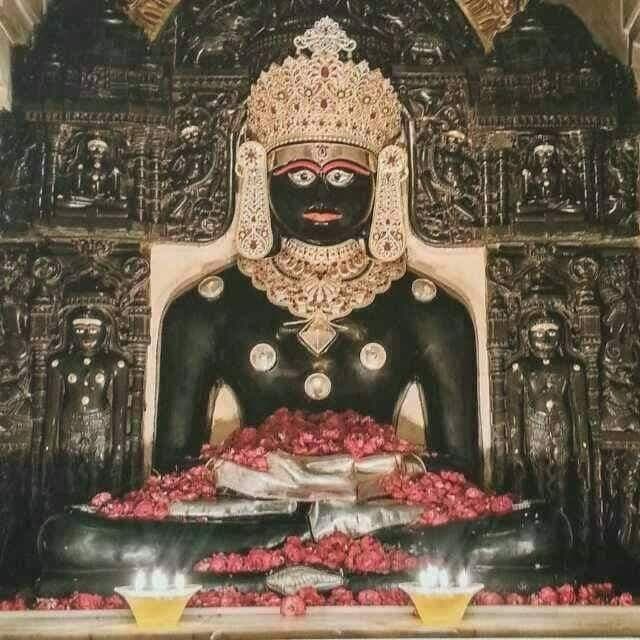
Neminath Jain Temple, Girnar
The Neminath Jain Temple, originally known as Karnavihara, is a significant Jain temple dedicated to the 24th Tirthankara, Neminatha, situated on Girnar hill in Gujarat, India. It is recognized as the foremost among the Girnar Jain temples, with its oldest existing structure dating back to the 12th century and built in the Māru-Gurjara architectural style.

Yogmaya Temple
The Yogmaya Temple, also known as Jogmaya Temple, is a Hindu temple in Mehrauli, New Delhi, dedicated to the goddess Yogmaya, an aspect of Maya and the sister of Krishna. It is considered one of the few surviving temples from the pre-Sultanate period in India and has undergone numerous reconstructions.
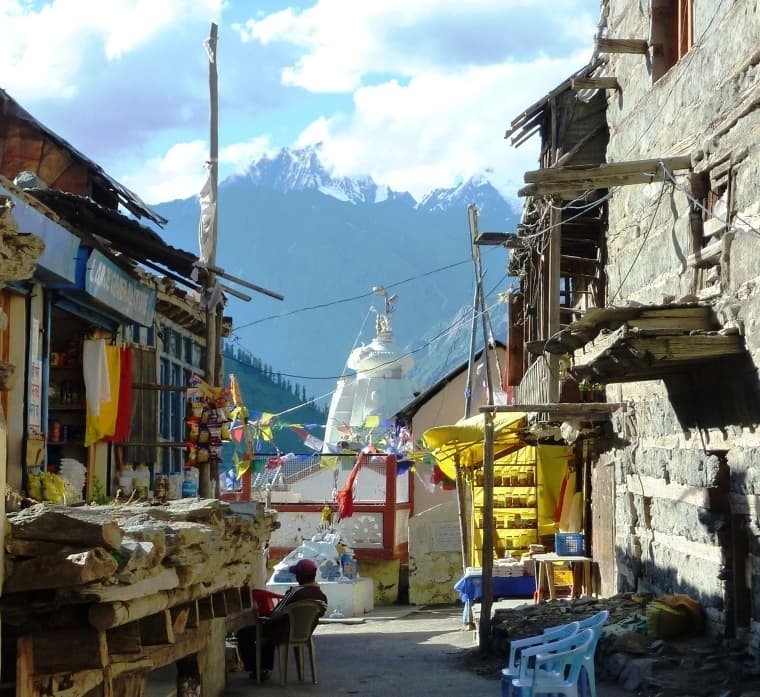
Triloknath Temple
The Triloknath Temple, located in Himachal Pradesh, India, is a significant religious site revered by both Tibetan Buddhists and Hindus. Originally believed to be a Buddhist vihara, it now houses a marble statue of Avalokiteshvara, worshipped as Shiva by Hindus and as Avalokiteshvara by Buddhists. The temple's architecture and history suggest a blend of influences, with its columns dating to the 9th century CE.